
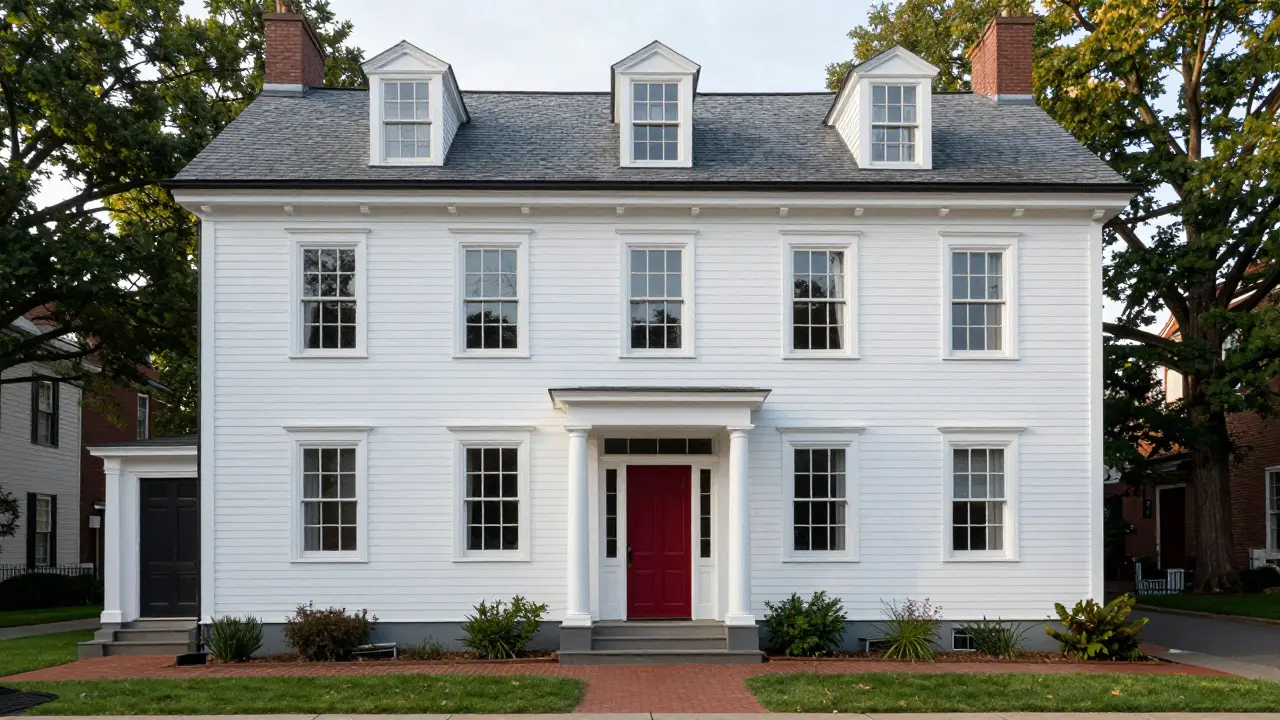
Explore the history, key features, and regional variations of Colonial Revival architecture. Learn how this style shaped American identity and what to look for when identifying or renovating these homes.
Architectural Styles: Quick Guide to Spot, Compare, and Use Them
Want to know why some buildings feel grand while others look modern and sleek? This page groups clear, practical posts on major architectural styles so you can spot features, pick a style for a project, or appreciate the city around you.
We cover historic classics like Renaissance, Baroque, Beaux-Arts, Georgian, and Greek Revival; American favorites such as Colonial, Colonial Revival, and American Craftsman; 20th-century movements like Bauhaus, Constructivist, Mid-Century Modern, and International Style; plus later reactions like Postmodern and High‑Tech. Each post gives history, key features, and real tips for spotting or using the style today.
Fast spotting tips
Renaissance: symmetry, domes, and classical orders—think carefully measured façades. Baroque: dramatic curves, bold ornament, and theatrical entrances. Beaux‑Arts: grand staircases, stone carvings, and layered classical details. Greek Revival: tall columns and pediments, simple temple-like fronts. Georgian: strict symmetry and multi-pane sash windows. Colonial and Colonial Revival: central doors, clapboard or brick, and modest ornament. American Craftsman: low roofs, exposed rafters, built-in woodwork. Bauhaus/International: flat roofs, simple forms, steel and glass. Constructivist: bold geometric shapes, industrial materials, little ornament. Mid‑Century Modern: clean lines, large windows, indoor-outdoor flow. Postmodern: playful shapes, historic references, bright accents. High‑Tech: visible structure, glass, and metal tech details.
How to use this page
Browse posts for each style to get clear examples, photos, and practical how-tos—restoration steps for historic homes, renovation tricks to mix old and new, or tips to pick a style that fits your budget and climate. If you’re renovating: focus first on rooflines, windows, and entryways—those define a style and are easier to update than structural changes.
Preservation tip: keep original materials when possible. Replacing wood with vinyl often erases character. For modern updates, add contemporary lighting, simple landscaping, or a new front door that respects the original proportions.
Want a quick project? Pick one visible element—porch columns, window trim, or cornice—and make that your anchor. It gives a cohesive look without a full remodel. For larger jobs, compare the posts on this page to see authentic examples and practical cost-saving ideas.
Curious about where to start? Click any style post to get focused history, checklists, and photo examples. You’ll leave with concrete next steps: what to repair, what to preserve, and how to adapt a style to modern life.
If you live in a hot, sunny place, pick materials and rooflines that keep interiors cool—wide eaves, clay tiles, light-colored plaster, or covered patios fit Mediterranean Revival and some Colonial styles. Cold climates favor steep roofs and smaller windows found in Georgian and some Colonial types. Budget-wise, mixing a few authentic elements with modern, cheaper materials often wins: keep original window proportions but use energy-efficient glazing; restore trim but buy new, matching hardware. Avoid copying a whole style without understanding its scale—mismatched proportions are the fastest way to make a renovation look fake.
If you want help, our posts list reference architects, local preservation boards, and project checklists. Start with one post and take notes.
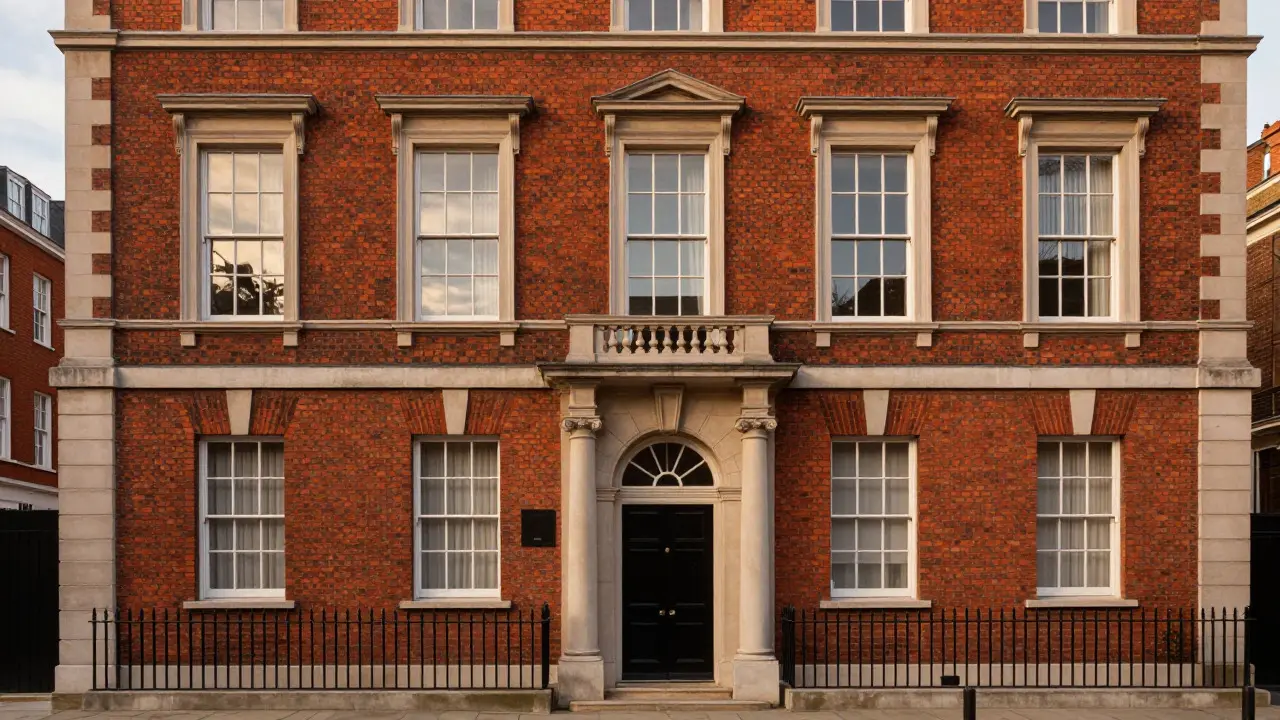
Discover the enduring appeal of Georgian architecture, from its classical roots to defining features like symmetry and sash windows. Learn how this style shaped homes across Britain and America.
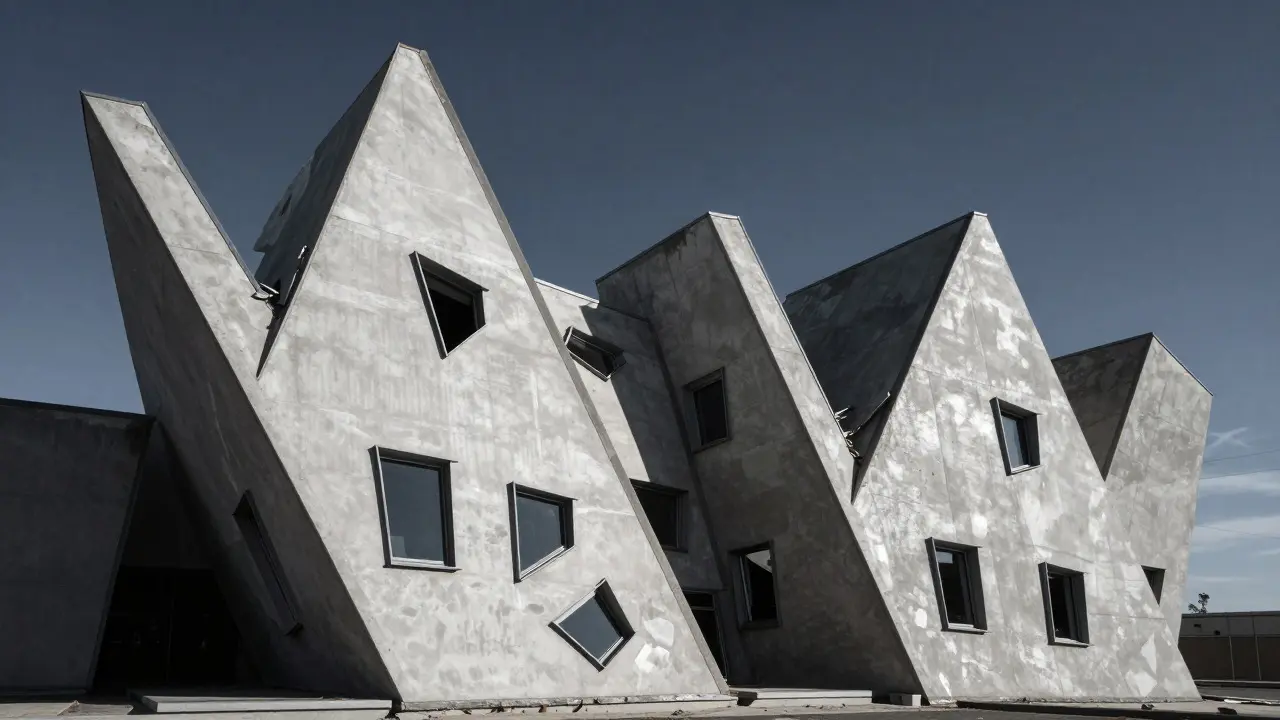
Explore the chaotic beauty of deconstructivism in architecture. Learn about key architects like Frank Gehry and Zaha Hadid, famous buildings, and the philosophy behind breaking design rules.

Explore the history of high-tech architecture from the Pompidou Center to modern smart cities. Learn how exposed structures and industrial aesthetics evolved into sustainable, responsive buildings.
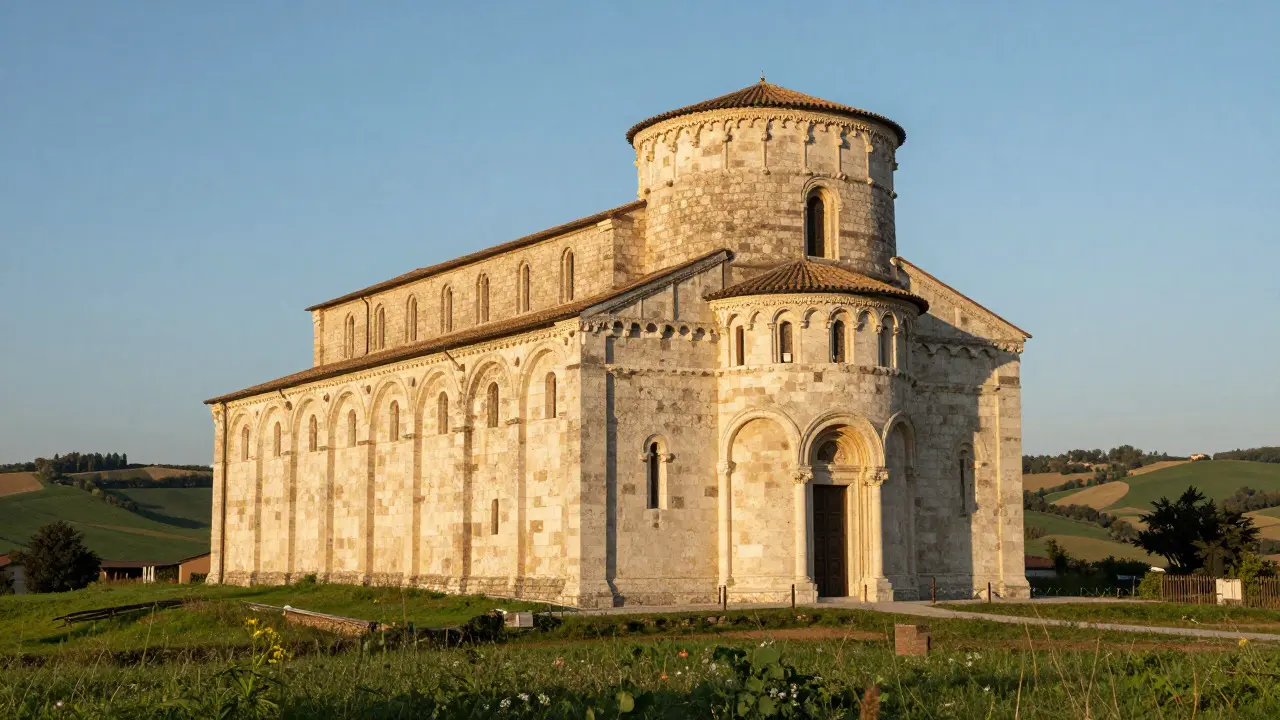
Explore the heavy, enduring beauty of Romanesque architecture. Learn about its round arches, thick walls, and regional variations across Europe.
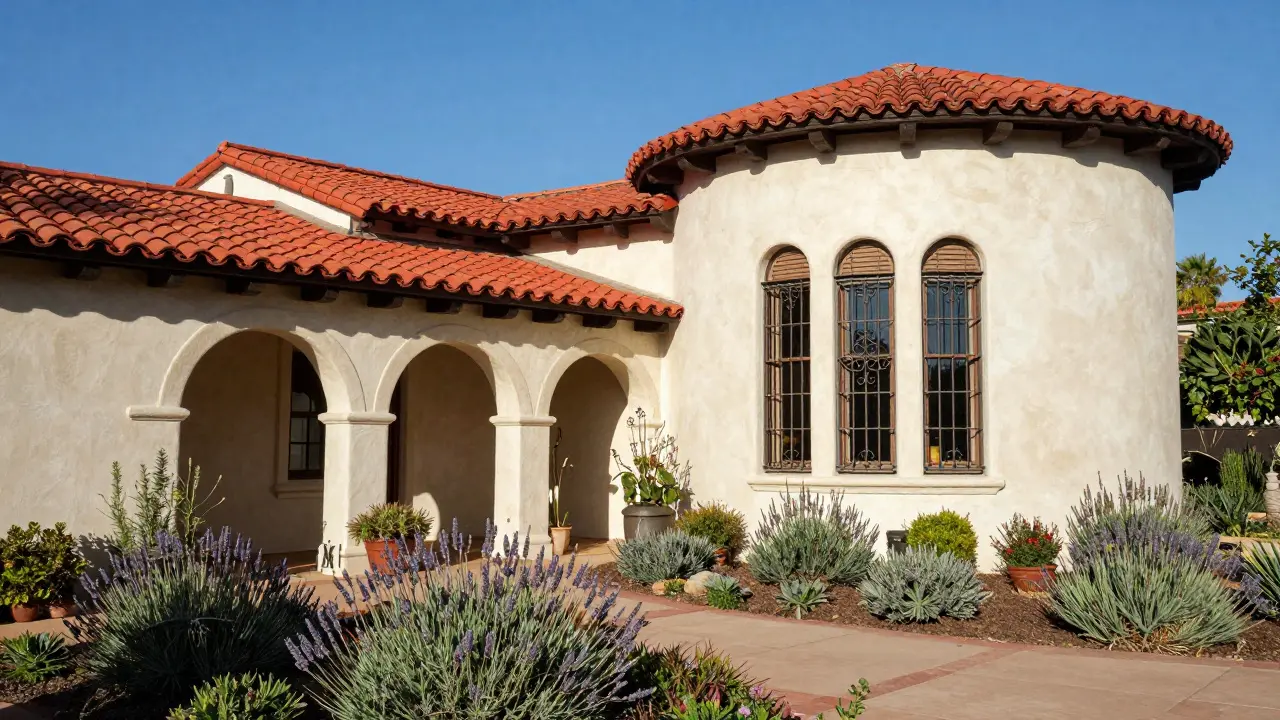
Explore the history, key features, and enduring appeal of Mediterranean Revival architecture. Learn how this blend of Spanish, Italian, and Moorish styles creates timeless, energy-efficient homes.
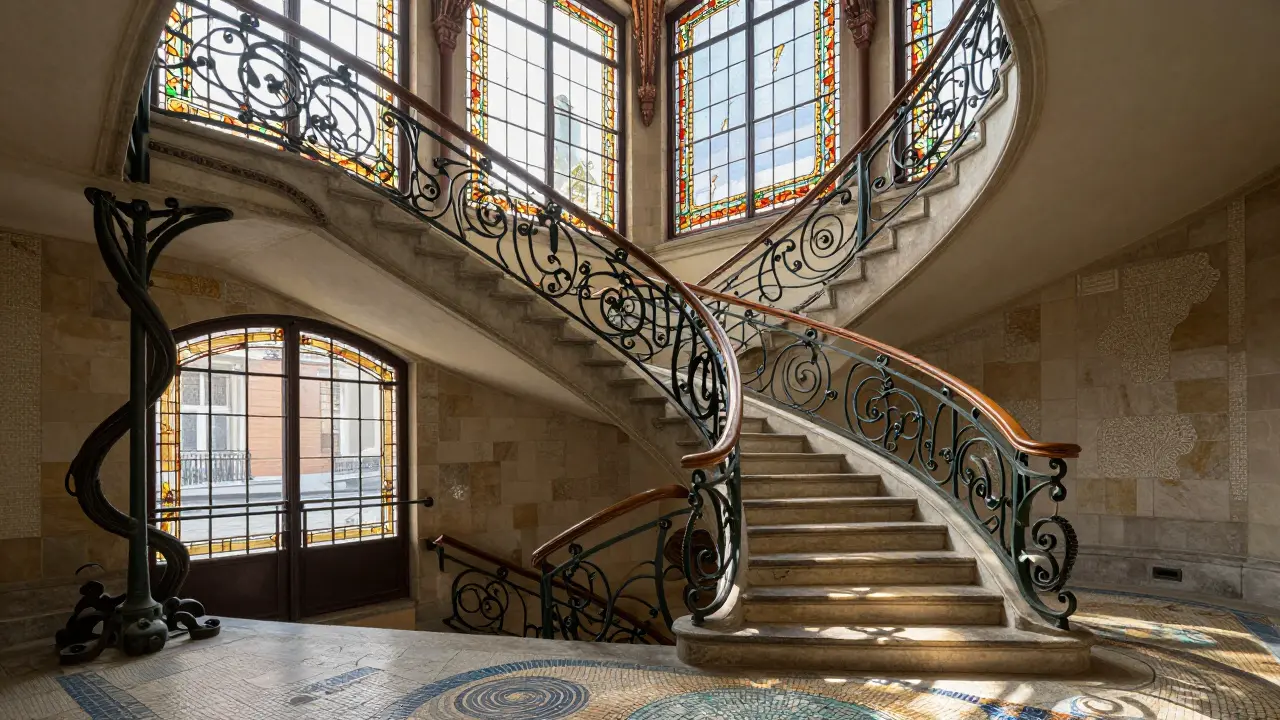
Explore Art Nouveau architecture: its organic forms, key masters like Gaudí and Horta, and lasting impact on design. Discover how nature inspired this revolutionary style.

Explore how postmodern architecture challenged modernist rules and shaped today's eclectic design trends. Learn about key architects, core principles, and the lasting impact on contemporary buildings and interiors.
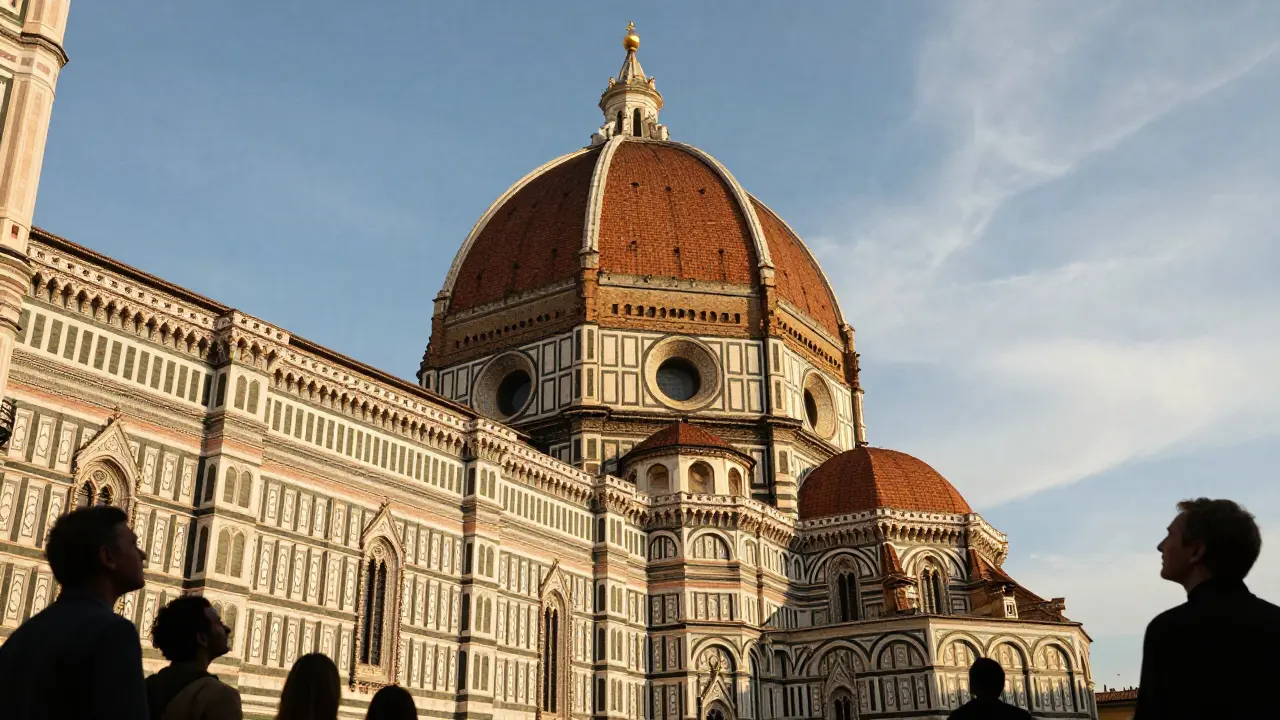
Explore the enduring charm of Renaissance architecture, from Brunelleschi's domes to Palladio's villas. Learn how symmetry, classical orders, and humanism reshaped the built world.
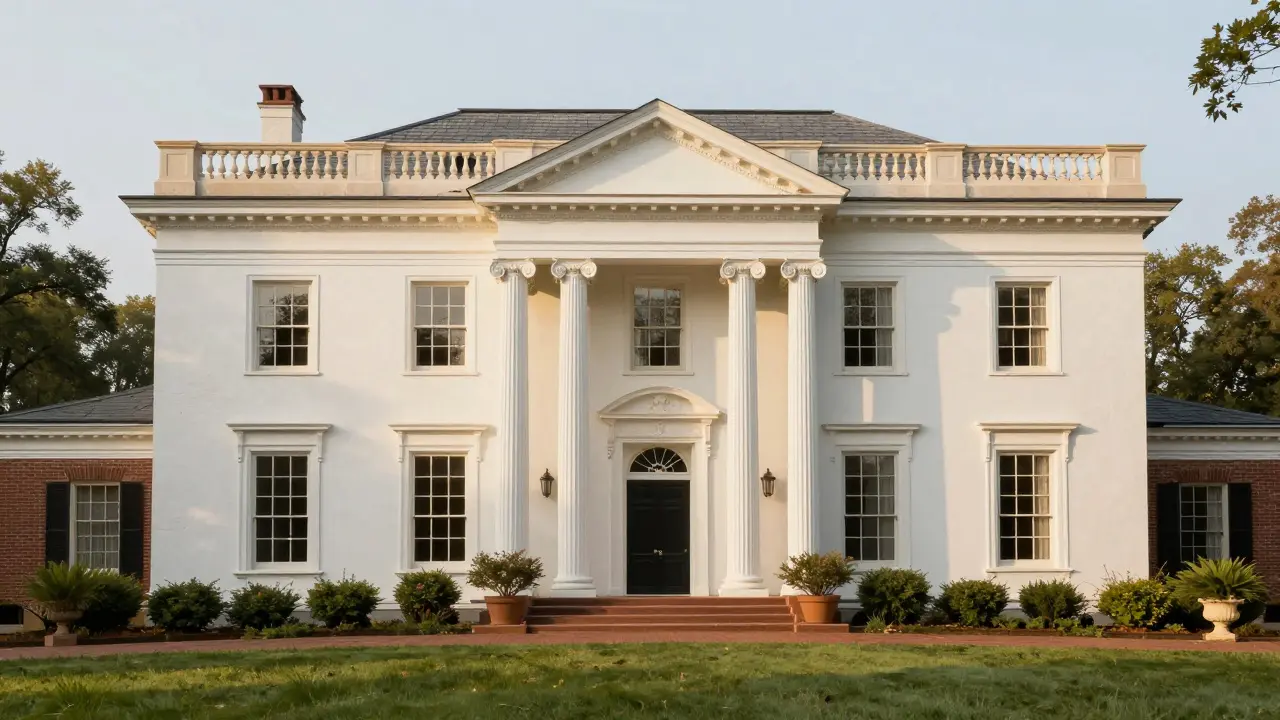
Explore the defining features of Federal architecture, its evolution from Georgian style, and iconic examples like the White House and Monticello.