
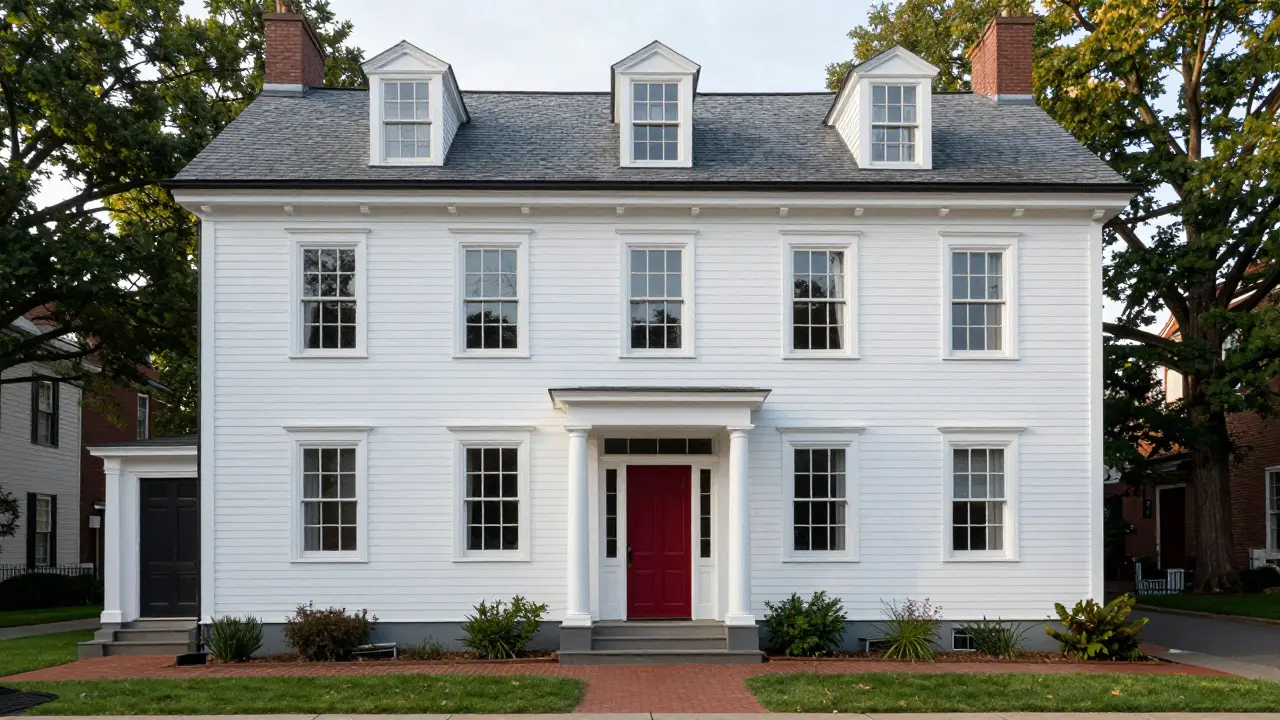
Explore the history, key features, and regional variations of Colonial Revival architecture. Learn how this style shaped American identity and what to look for when identifying or renovating these homes.
Architectural History: Read Buildings Like a Story
You pass history every day. A courthouse can tell you about Roman arches, a city hall might wear Beaux-Arts flourishes, and a corner shop could hide a mid-century modern makeover. If you learn a few key signs, streets turn into a timeline—and reading them makes visits, photos, and renovations way more interesting.
Architectural history isn’t just names and dates. It’s a set of visual clues: columns, roofs, windows, materials, and how architects mixed function with fashion. Knowing the basics helps you spot a Greek Revival entry, a Renaissance dome, or the steel-and-glass honesty of high-tech buildings. That knowledge helps when you travel, buy a house, or simply take better photos.
Quick ways to spot common styles
Start with a handful of visuals. Look for symmetry and brickwork for Georgian; heavy ornament, dramatic curves, and gilded details for Baroque; and clean lines with functional furniture hints for Bauhaus. When you see domes and classical columns in harmony, you’re likely in Renaissance territory. If glass, exposed steel, and visible structure jump out, you’re near High-Tech architecture. For a bold, playful mix of shapes and colors, think Postmodern.
Knowing era clues helps too. Ancient Rome introduced arches, vaults, and concrete—these show up in bridges, aqueducts, and grand buildings. Beaux-Arts brought grand entrances and ceremonial symmetry to late-19th-century city centers. Constructivist work from early 20th-century Russia favors geometric forms and social purpose. Neo-futurism and high-tech are about structure and tech showing off, while Colonial styles reflect cultural blending across continents.
Practical tips: look, ask, and keep exploring
Walk slowly. Photograph key details—cornices, window shapes, rooflines—and compare later. Museums, city archives, or plaque texts often give quick origins and architects’ names. Use one guidebook or a phone app to match styles; focus on one era each week to build confidence. When you visit a neighborhood, pick three buildings and name their style and one unique feature.
If you own or restore a building, prioritize original details: sash windows, moldings, tiles, or original facades. Preservation groups often have cost-effective advice. For design inspiration, mix historical features with modern needs—think a Georgian doorway with updated interior flow or a Craftsman porch paired with energy-efficient windows.
Architectural history rewards patience. After a few walks, patterns emerge and your city becomes a classroom. Whether you’re curious, renovating, or photographing, these skills help you see architecture as living history—not just pretty buildings, but choices people made about beauty, politics, and daily life.
Want recommendations on what to read next or which local buildings to visit? Tell me your city and I’ll point out must-sees and quick reads to get you started.
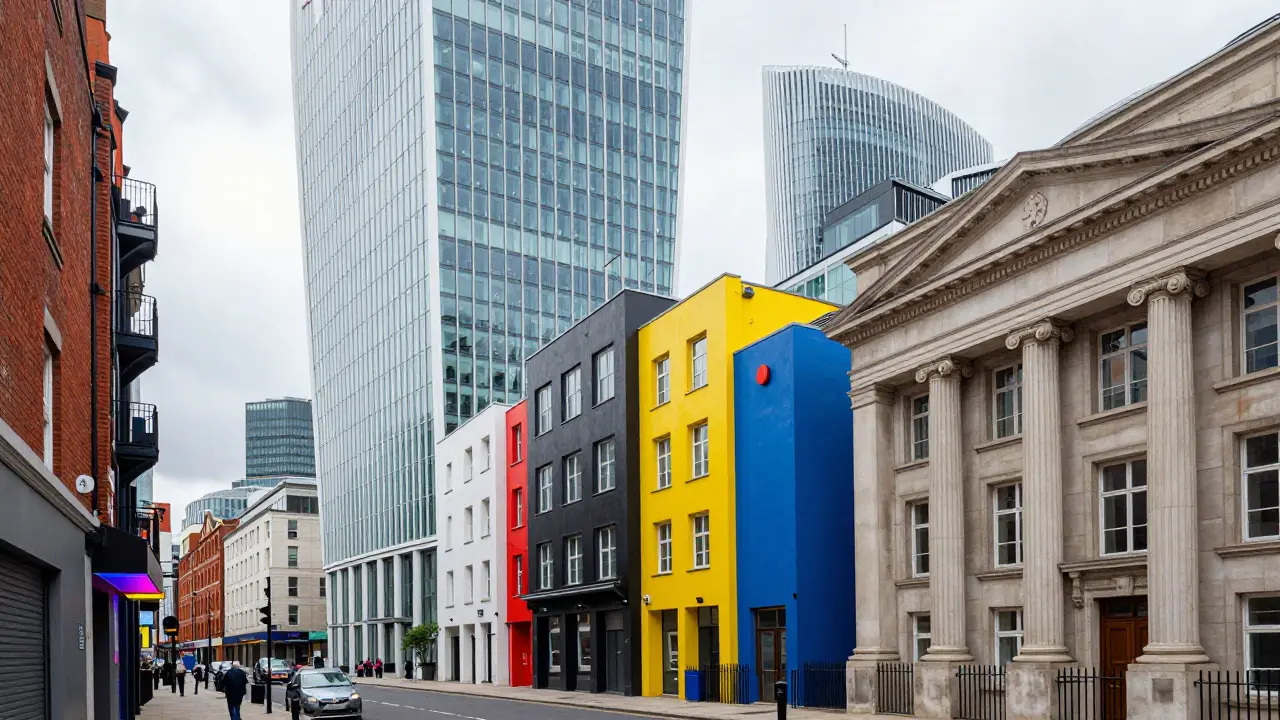
Explore how postmodern architecture challenged modernist rules and shaped today's eclectic design trends. Learn about key architects, core principles, and the lasting impact on contemporary buildings and interiors.
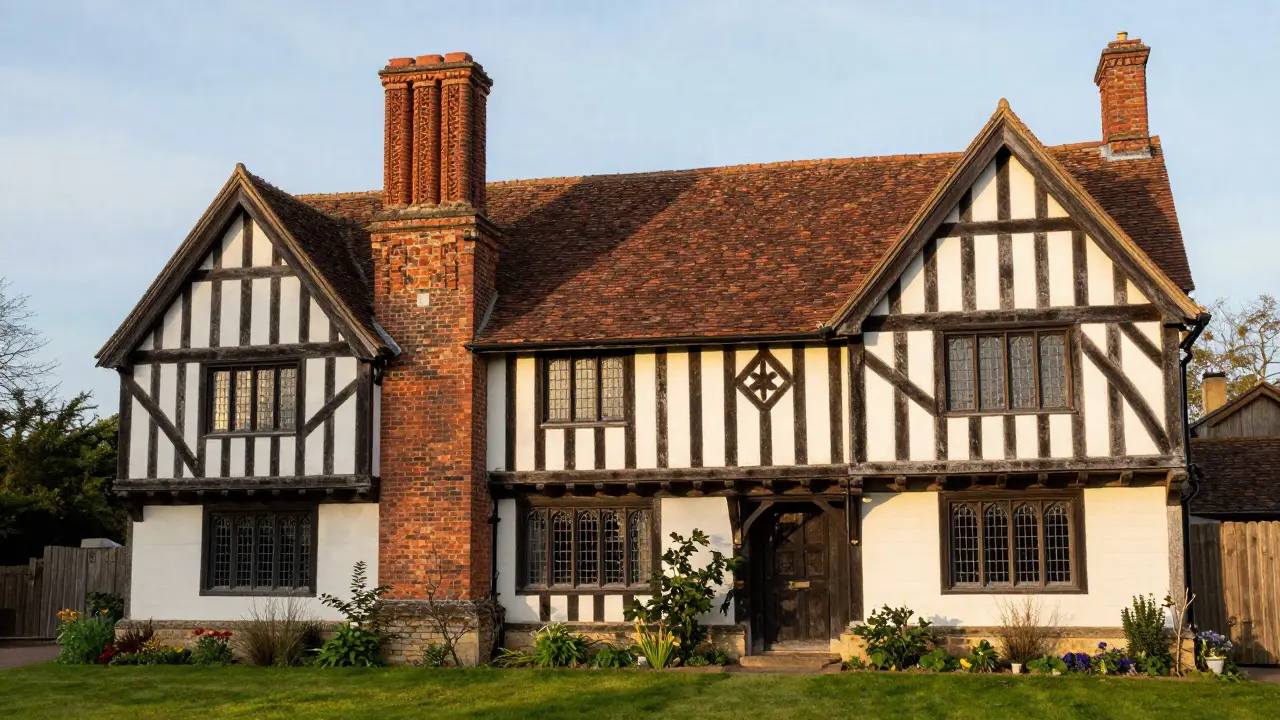
Explore the defining features of Tudor architecture, from half-timbered frames to steep roofs. Learn about its history, evolution, and enduring appeal in modern design.
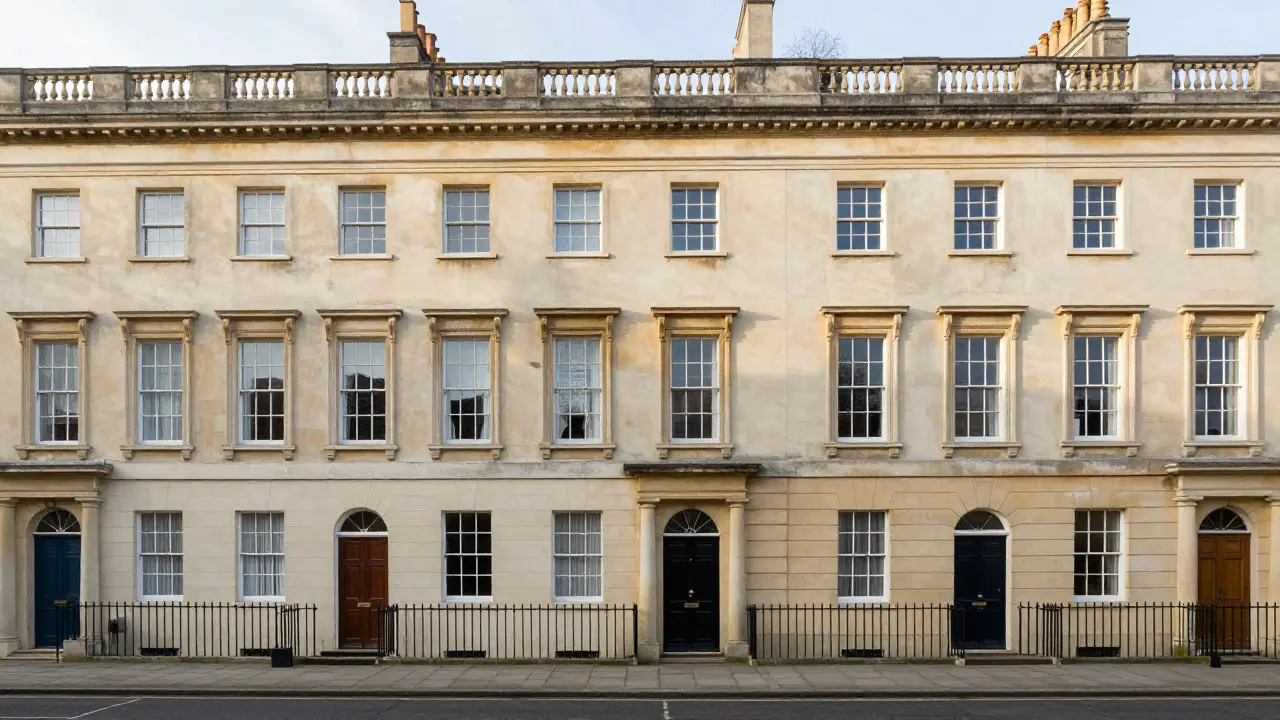
Explore the lasting impact of Georgian architecture, from its strict symmetry and classical proportions to its influence on modern urban planning and home design.
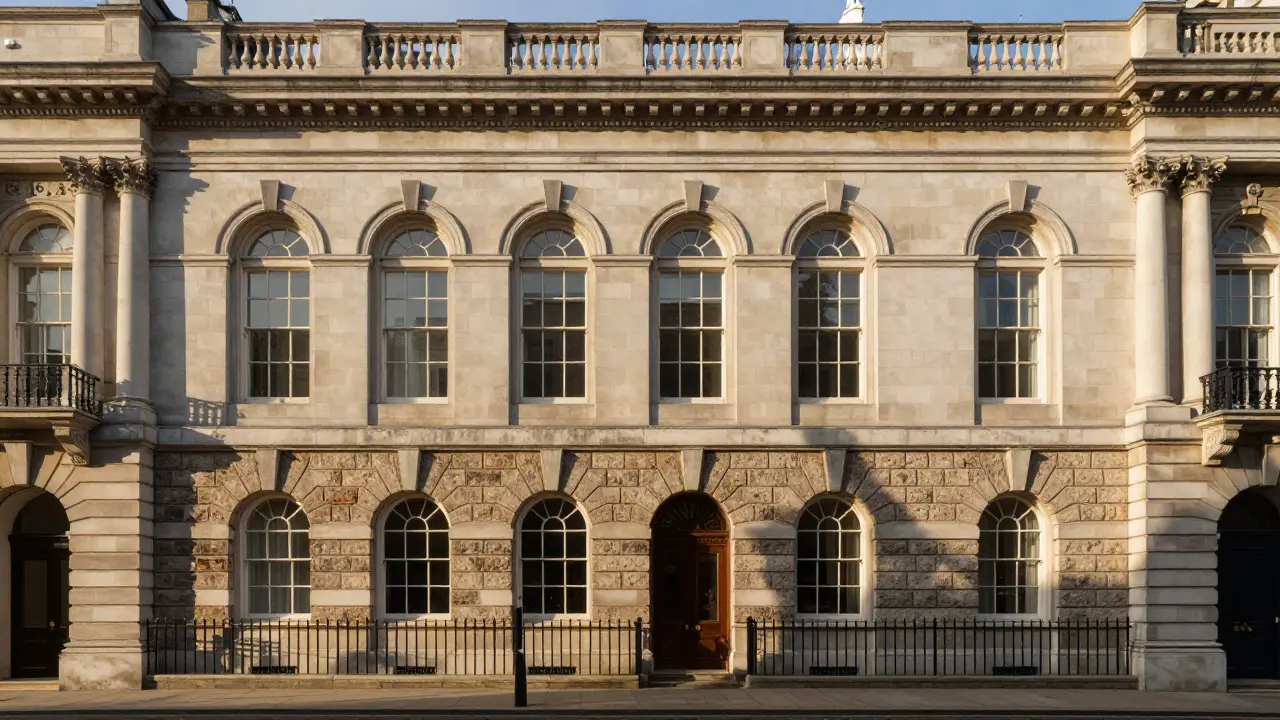
Explore the enduring appeal of Renaissance Revival architecture. Learn its key features, historical roots, and how to apply its principles in modern restoration and design projects.
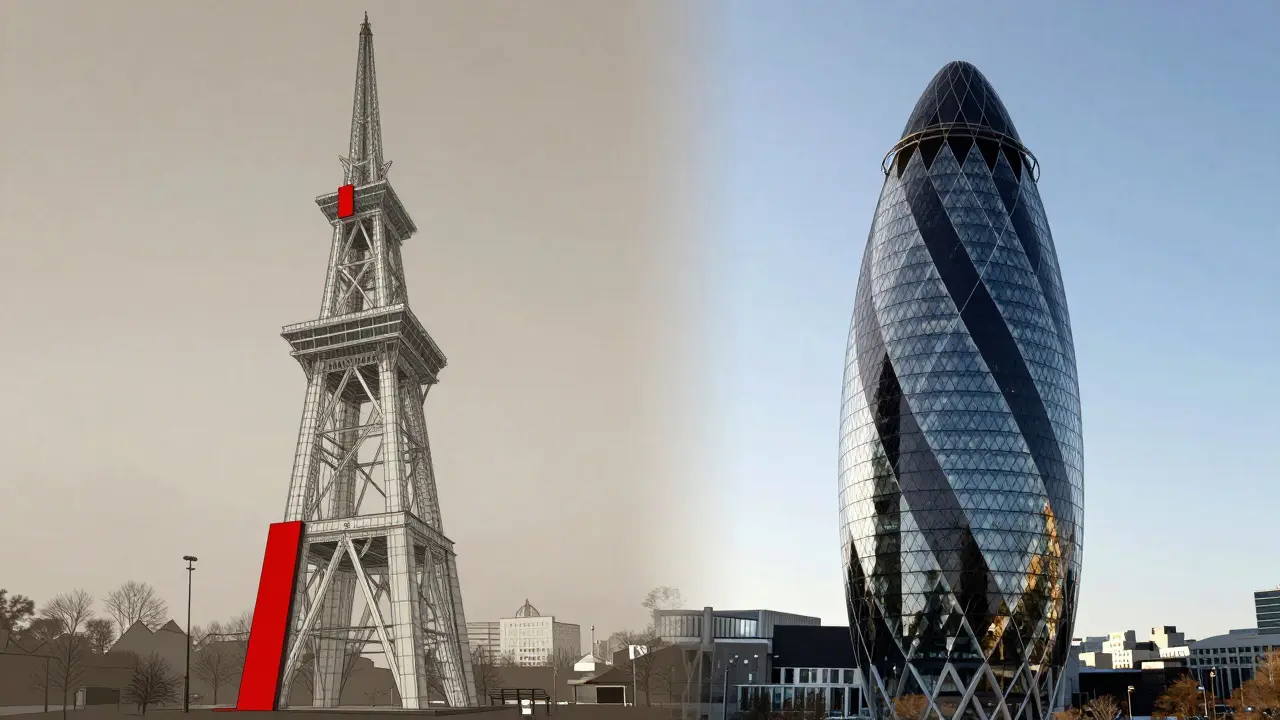
Explore how the radical principles of 1920s Russian Constructivism shape modern architecture, from sustainable housing to high-tech skyscrapers. Discover the enduring legacy of material honesty and social function.
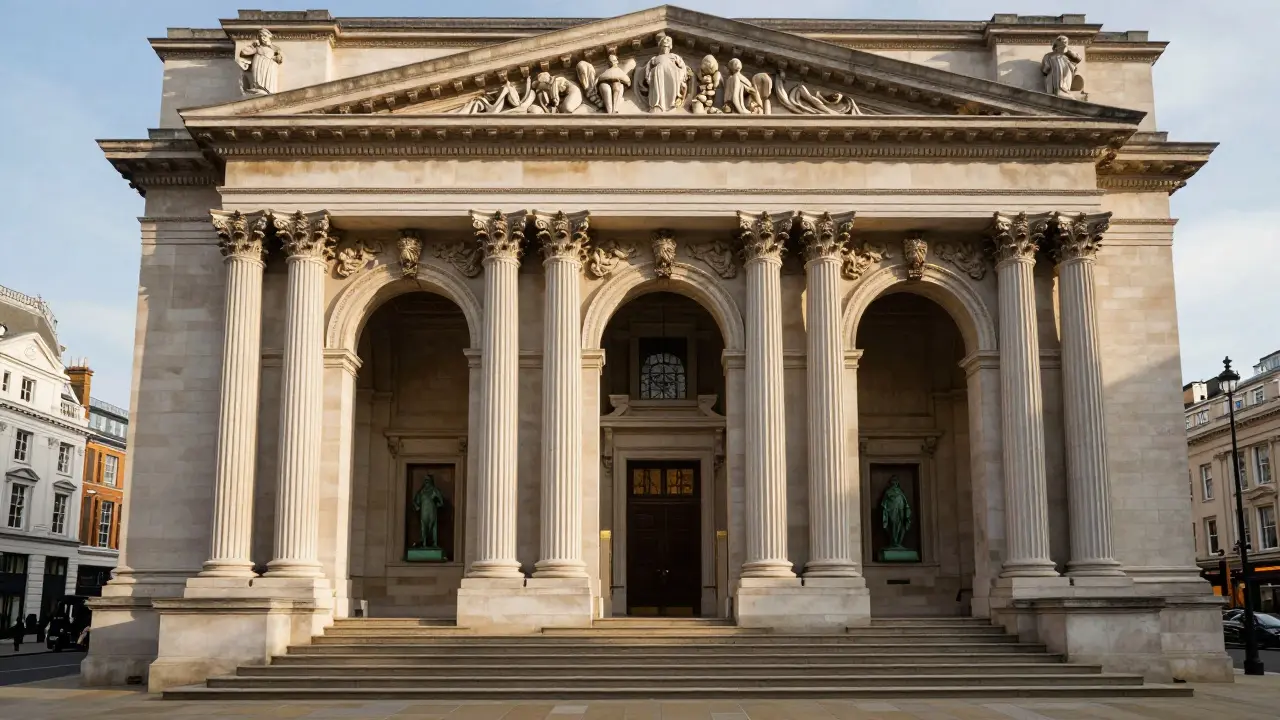
Explore the grandeur of Beaux-Arts architecture, from its origins in Paris to iconic landmarks like Grand Central Terminal. Learn key features, history, and why this style shaped our cities.

Explore the wild, emotional world of Expressionist Architecture. From the Einstein Tower to Frank Gehry's curves, discover how this style broke rules to prioritize feeling over function.
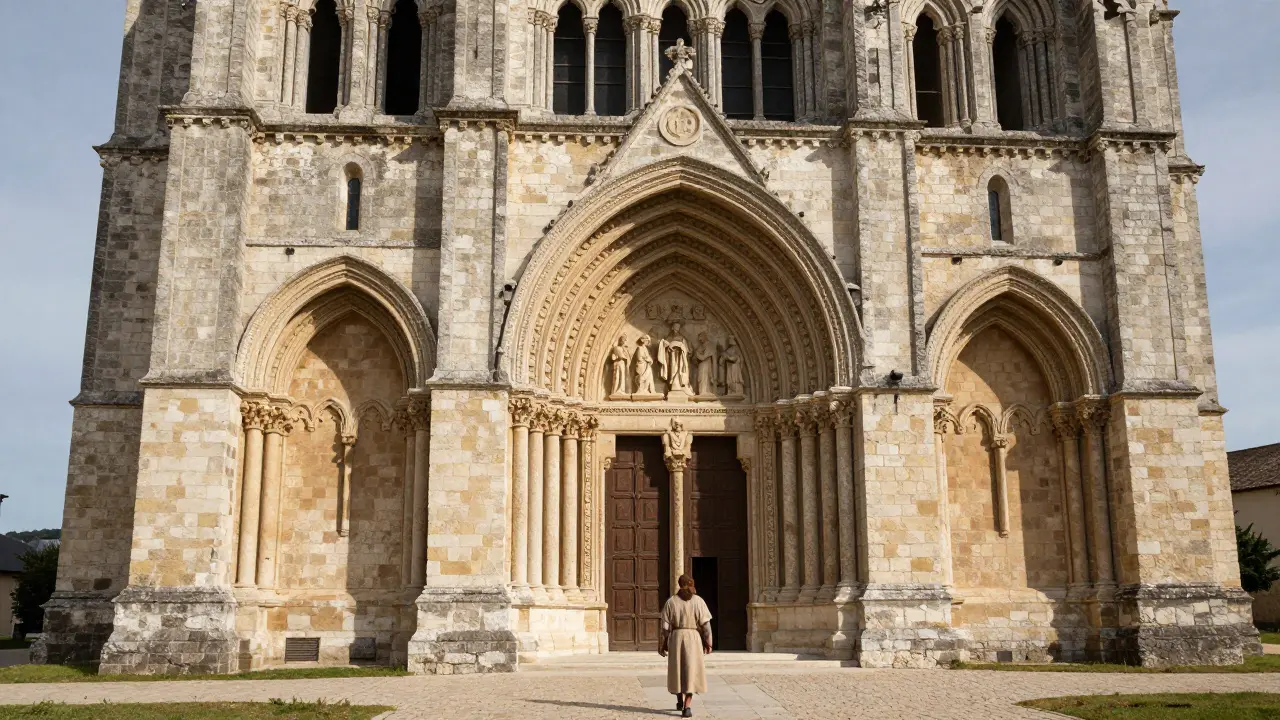
Romanesque architecture defined medieval Europe's building style from the 10th to 12th centuries. Characterized by rounded arches, thick walls, and small windows, it paved the way for Gothic design. Key examples include Santiago de Compostela and Durham Cathedral. Its legacy lies in unifying European craftsmanship and religious expression.
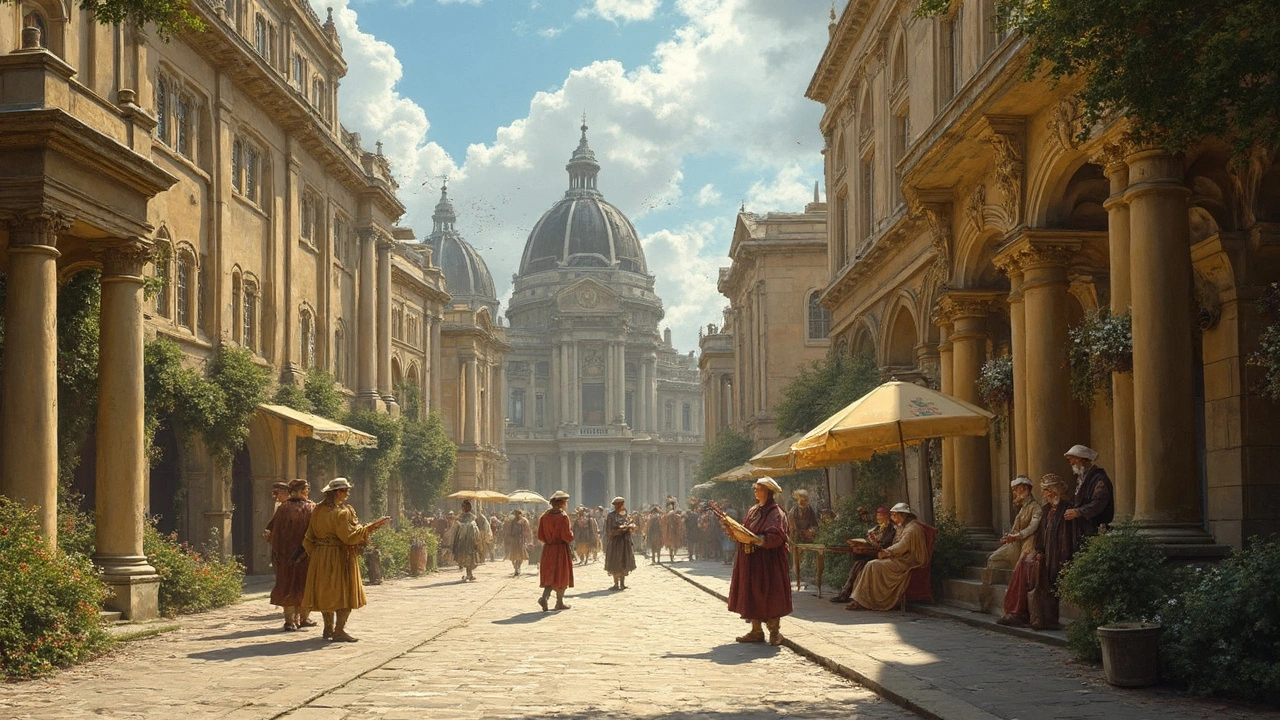
Explore how Renaissance architecture broke new ground, replacing Gothic styles with classical forms, symmetry, and harmony. Dive into real stories, iconic buildings, and lasting influence.