
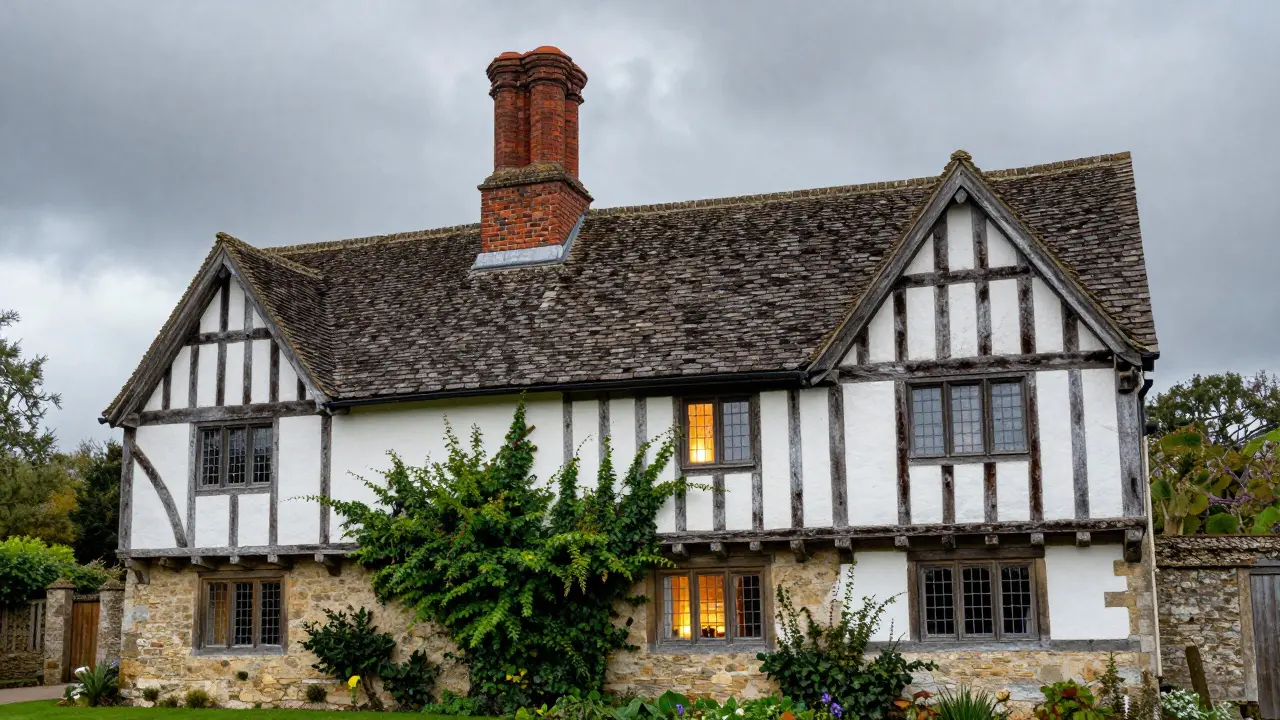
Explore the history of Tudor Architecture from the Tudor Dynasty to modern Revival styles. Learn about key features like half-timbering and where to see these historic buildings.
Architecture and History: Styles, Features, and How to Spot Them
Which building tells the clearest story about its past? Architecture does that every day. This page pulls together straightforward guides to historic styles—Roman, Renaissance, Gothic Revival, Tudor, Colonial, Georgian, Federal, Byzantine, Rococo—and shows what to look for so you can read a building like a book.
Quick ID guide: the features that matter
Start with big shapes. Arches and vaults usually point to Roman or revival styles; domes and mosaics often mean Byzantine influence; pointed arches and ribbed vaults lean Gothic. Look next at surface details: heavy classical columns and balanced facades suggest Renaissance or Georgian; light, delicate ornaments and fanlights point to Federal style. Half-timber framing and tall chimneys are hallmarks of Tudor buildings, while Rococo shows up as playful curves, shells, and lots of decorative plaster.
Materials and construction tell a story too. Roman builders used concrete and clever engineering to span wide spaces. Timber framing signals local craft traditions and earlier medieval methods. Brick and refined stonework often mark later European tastes. When you know these clues, you can narrow down a building’s period in minutes.
Practical tips for exploring historic architecture
When you visit a site, focus your camera on details: cornices, window shapes, door surrounds, and rooflines. Those small parts carry style. Read plaques and museum notes—many buildings have short histories that explain remodels and cultural influences. If you can, join a guided tour; guides point out hidden structural choices, like how an arch carries weight or why a facade was altered for style or climate.
Use the articles on this page as short, practical references. For example, the Roman pieces explain arches, vaults, and concrete tricks. The Colonial and Federal write-ups show how settlers mixed European models with local materials. Posts on Georgian and Renaissance highlight proportion and symmetry so you can recognize the same rules in modern buildings.
If you’re learning for fun or school, keep a simple notebook. Sketch a facade, note window shapes and materials, and write one sentence on what makes the building unique. Over time you’ll spot patterns—how civic buildings favor classical elements, or how domestic architecture changes with technology and trade.
Want a quick visit plan? Pick one style per walk—say, a Georgian block or a Tudor street—then photograph five repeating details: door, window, roofline, ornament, and material. Compare them back home with the related guide on this page to confirm your ID.
Curious about a specific era? Click the posts here for clear, example-rich articles: colonial charm, Roman innovations, Byzantine domes, Gothic Revival drama, and more. Each piece gives history, key features, and examples you can visit or search online. Start exploring and you’ll spot history in plain sight every time you walk past a building.
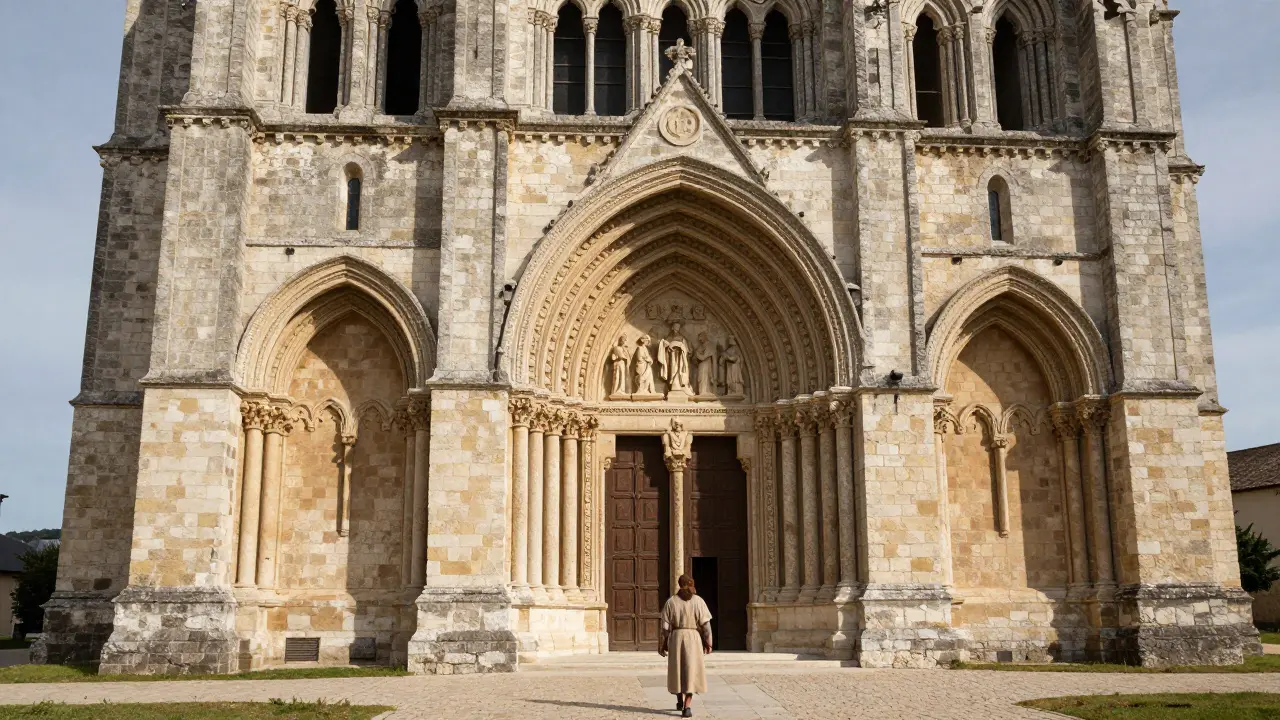
Romanesque architecture defined medieval Europe's building style from the 10th to 12th centuries. Characterized by rounded arches, thick walls, and small windows, it paved the way for Gothic design. Key examples include Santiago de Compostela and Durham Cathedral. Its legacy lies in unifying European craftsmanship and religious expression.
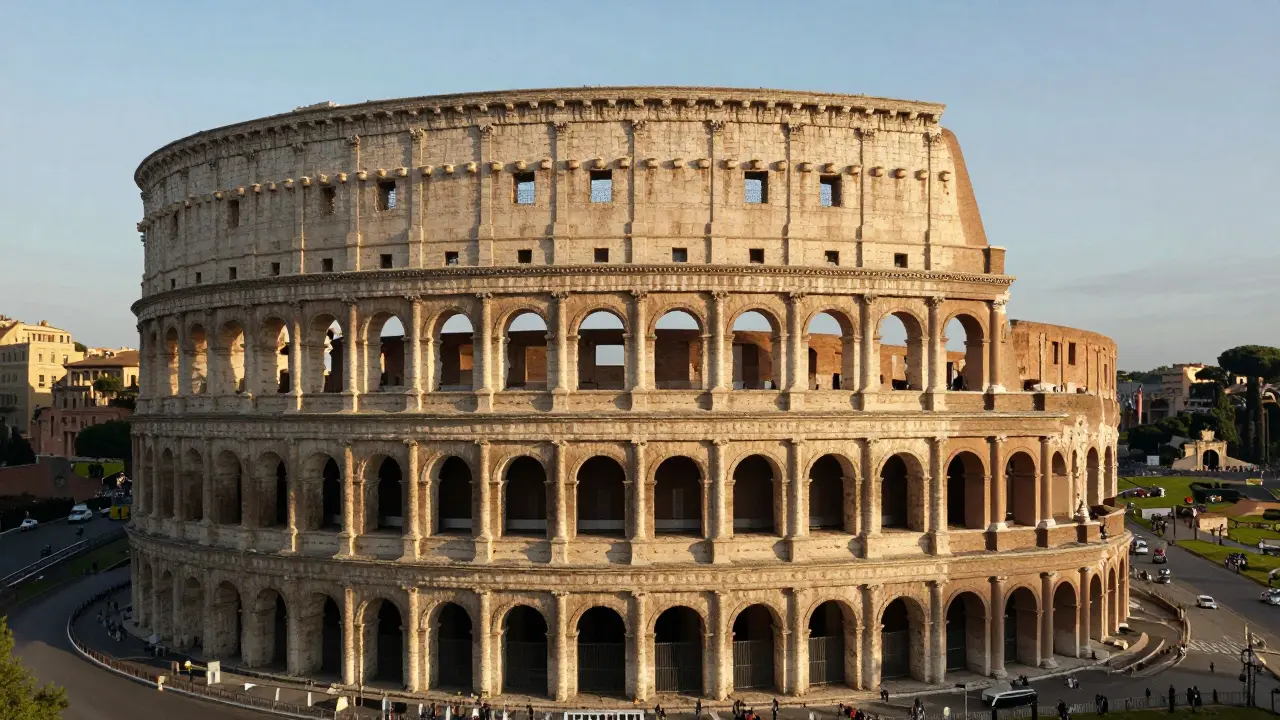
Ancient Roman architecture revolutionized construction with arches, concrete domes, aqueducts, and urban grids. Their innovations in materials and engineering still shape buildings today.

Greek Revival architecture wasn't just a style-it was America's visual declaration of democracy. From courthouses to farmhouses, its columns and white facades carried deep cultural meaning in the 19th century.
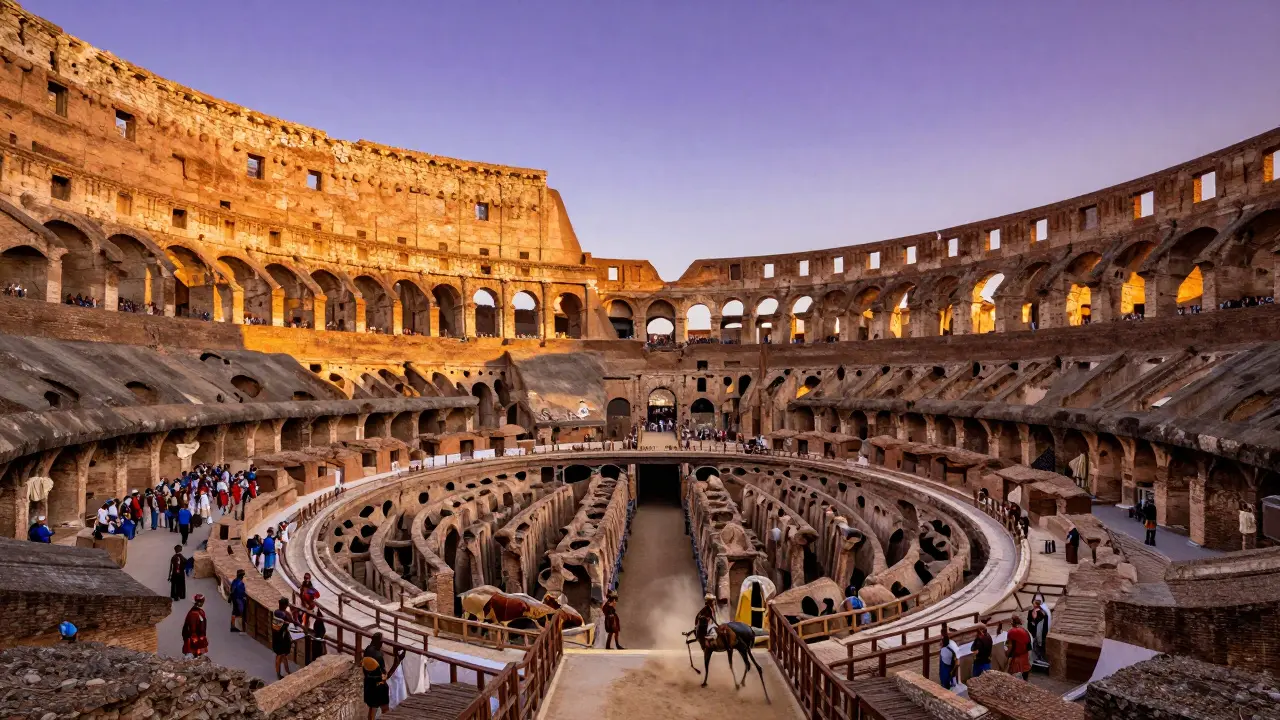
Discover the key structures of ancient Roman architecture - from the Colosseum to Roman concrete - and how they still shape modern buildings, infrastructure, and urban design today.
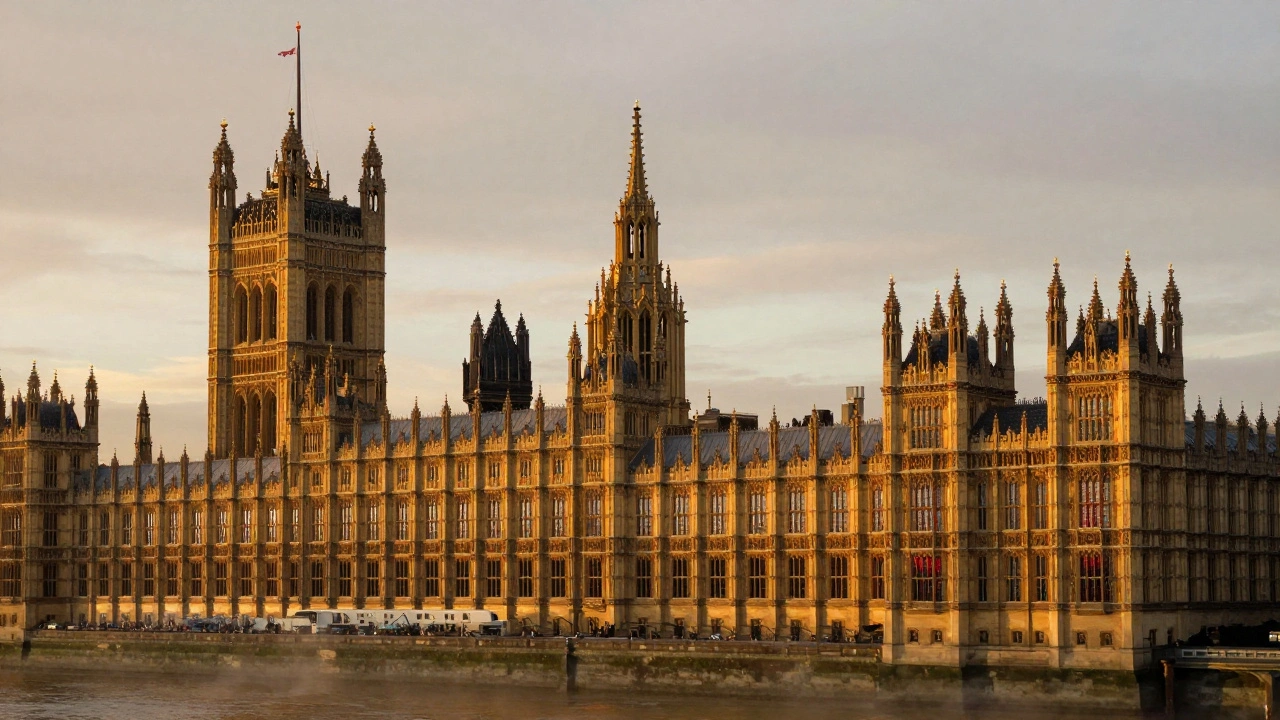
Gothic Revival architecture shaped national identity in the 19th century through churches, universities, and government buildings. Its enduring presence in cities worldwide reflects a deeper cultural belief in craftsmanship, permanence, and meaning in design.

Renaissance architecture revived classical Roman and Greek design principles, emphasizing symmetry, proportion, and human scale. It transformed buildings from religious monuments into harmonious, rational spaces that still influence design today.

Constructivist architecture emerged in 1920s Russia as a revolutionary style blending bold geometry, raw materials, and social purpose. Its legacy lives on in modern housing and design.
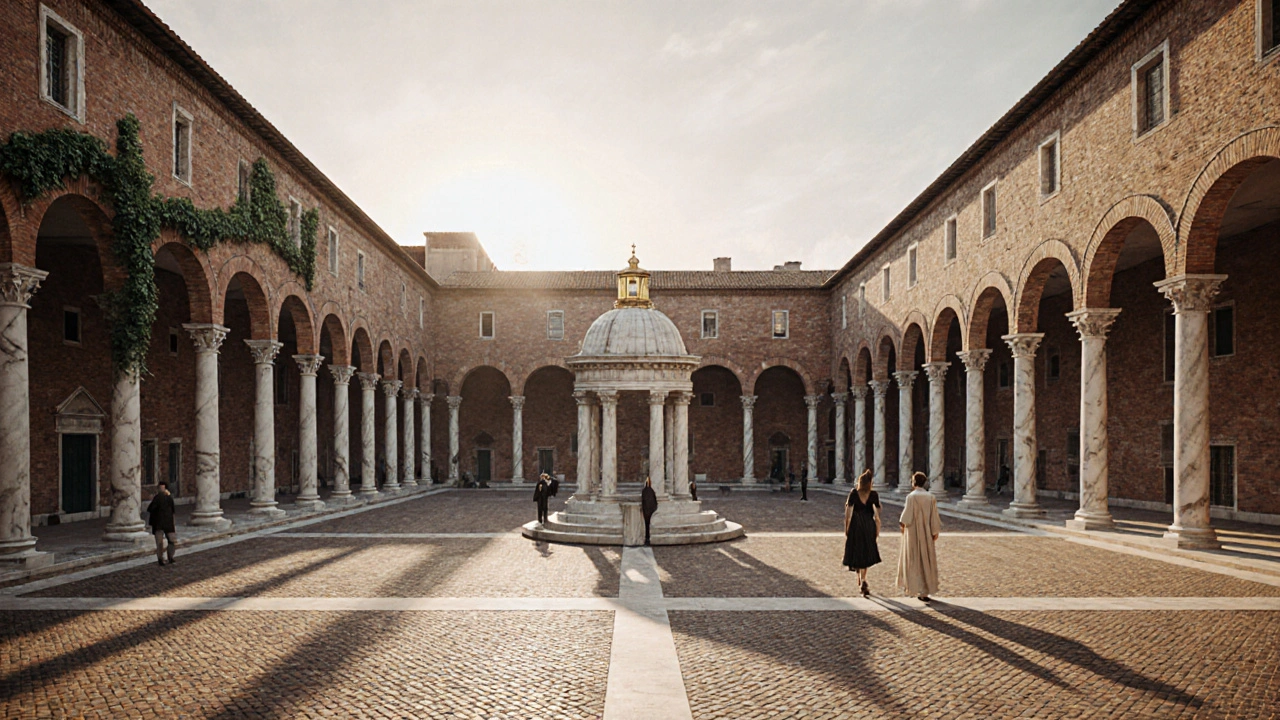
Explore how Renaissance architecture's symmetry, proportion, and classical orders still shape modern urban structures, with real examples, design tips, and a handy FAQ.
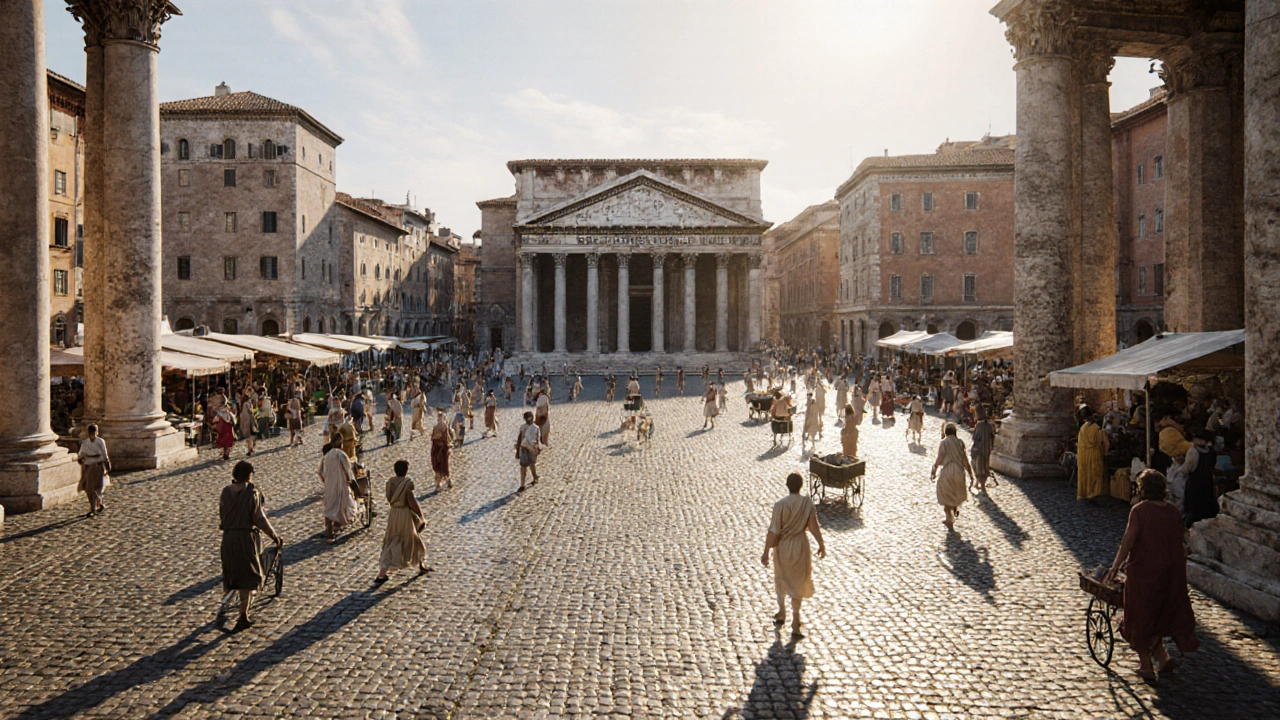
Explore how ancient Roman architecture's grids, forums, aqueducts, and roads still guide modern urban planning, with practical lessons and real‑world examples.