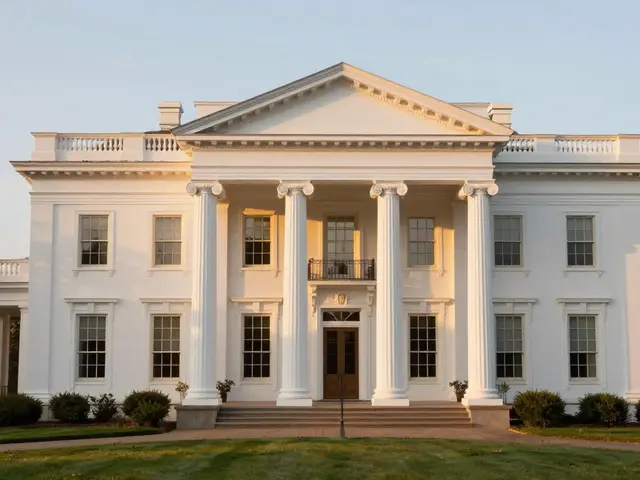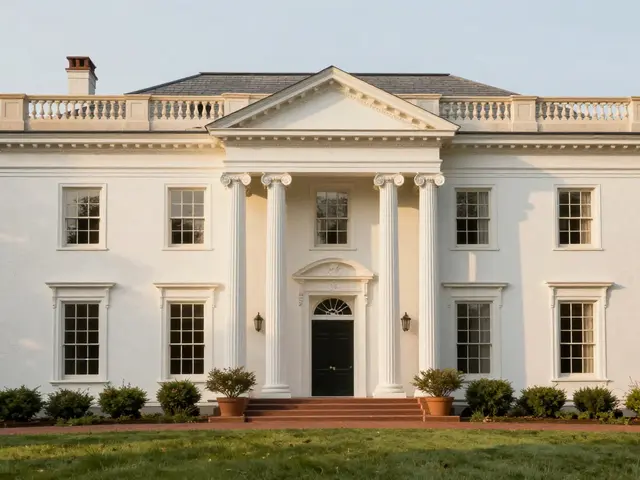
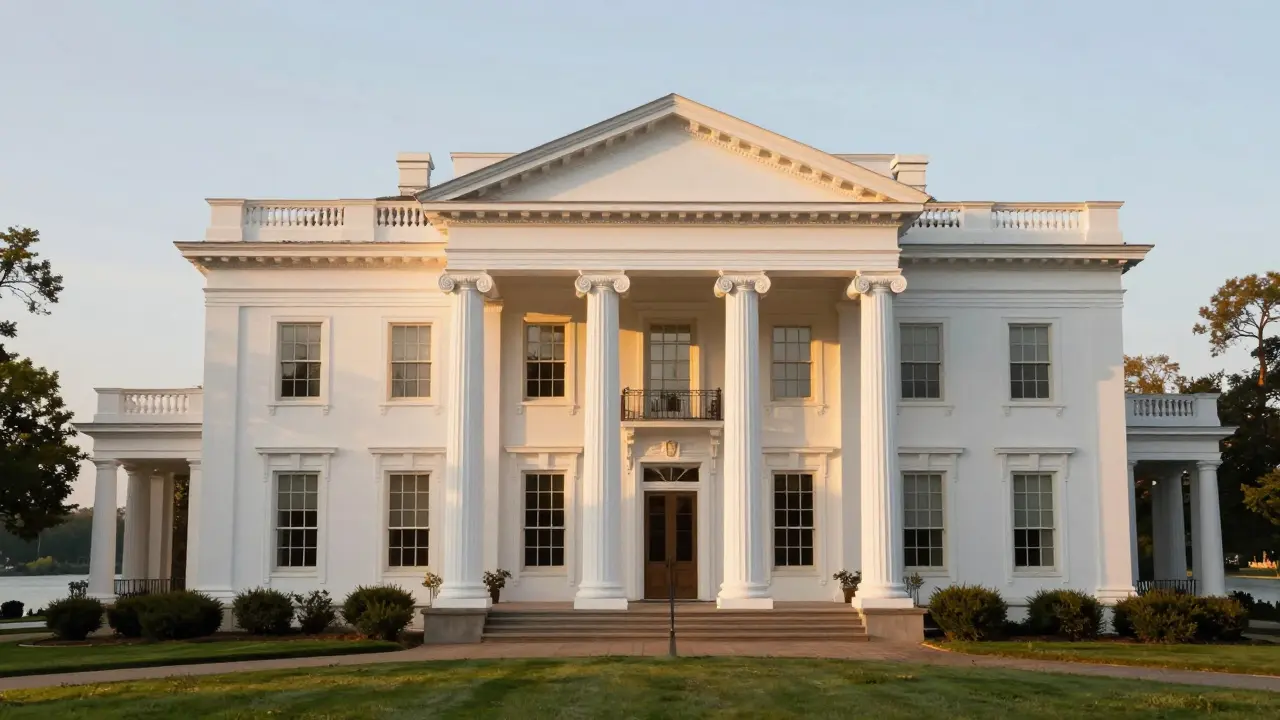
When you walk past a white-columned house with a triangular pediment, you’re not just looking at a pretty facade. You’re standing in front of a political statement carved in stone. Greek Revival architecture didn’t just copy ancient temples-it used them to say something about who America wanted to be in the early 1800s. It wasn’t about nostalgia. It was about identity.
Why Greece? Not Rome, Not Egypt
In the late 1700s, the young United States was searching for a visual language that matched its ideals. Democracy, reason, civic virtue-these weren’t abstract ideas. They needed symbols. The Romans had emperors. The Egyptians had pharaohs. But the Greeks? They had the agora, the assembly, the jury system. Their buildings weren’t made to intimidate. They were made to welcome citizens.
By the 1820s, Greek independence from the Ottoman Empire sparked a wave of admiration across the Atlantic. Americans saw parallels: a small nation rising against tyranny. Architects began turning to Greek temples-not as ruins, but as living models. The Parthenon wasn’t just beautiful. It was proof that democracy could be built, not just imagined.
The Look: Columns, Pediments, and White Paint
Greek Revival buildings are easy to spot. They have tall, fluted columns-usually Doric, sometimes Ionic-holding up a triangular roofline called a pediment. Windows are often framed with simple moldings. Doors sit under a portico, like the entrance to a temple. And almost always, the whole thing is painted white.
White wasn’t just a color choice. It was a statement. Ancient Greek marble had weathered to a soft gray over centuries. But 19th-century Americans didn’t want weathered. They wanted purity. White symbolized moral clarity, civic honesty, and the clean break from British colonial styles that favored ornate brick and woodwork. Even humble farmhouses in Ohio and Mississippi got columned porches and symmetrical windows. You didn’t need wealth to join the movement-you just needed belief.
From Capitol Buildings to Country Homes
The style didn’t stop at government buildings. It spread like wildfire. The U.S. Capitol’s east front, designed by Thomas Ustick Walter in the 1850s, is a direct nod to the Propylaea of the Athenian Acropolis. But so was the house where a farmer in Georgia raised his children. In Philadelphia, the Second Bank of the United States looked like the Parthenon. In New Orleans, the St. Charles Hotel had a colonnade that stretched over a hundred feet.
Even churches got in on it. The First Presbyterian Church in Philadelphia, built in 1829, didn’t have a cross on top-it had a Greek temple front. The message was clear: faith and democracy shared the same roots. Schools, banks, courthouses-all followed the same pattern. By 1850, over half the public buildings in the Northeast and Midwest were built in the Greek Revival style.
What It Meant to Be Greek in America
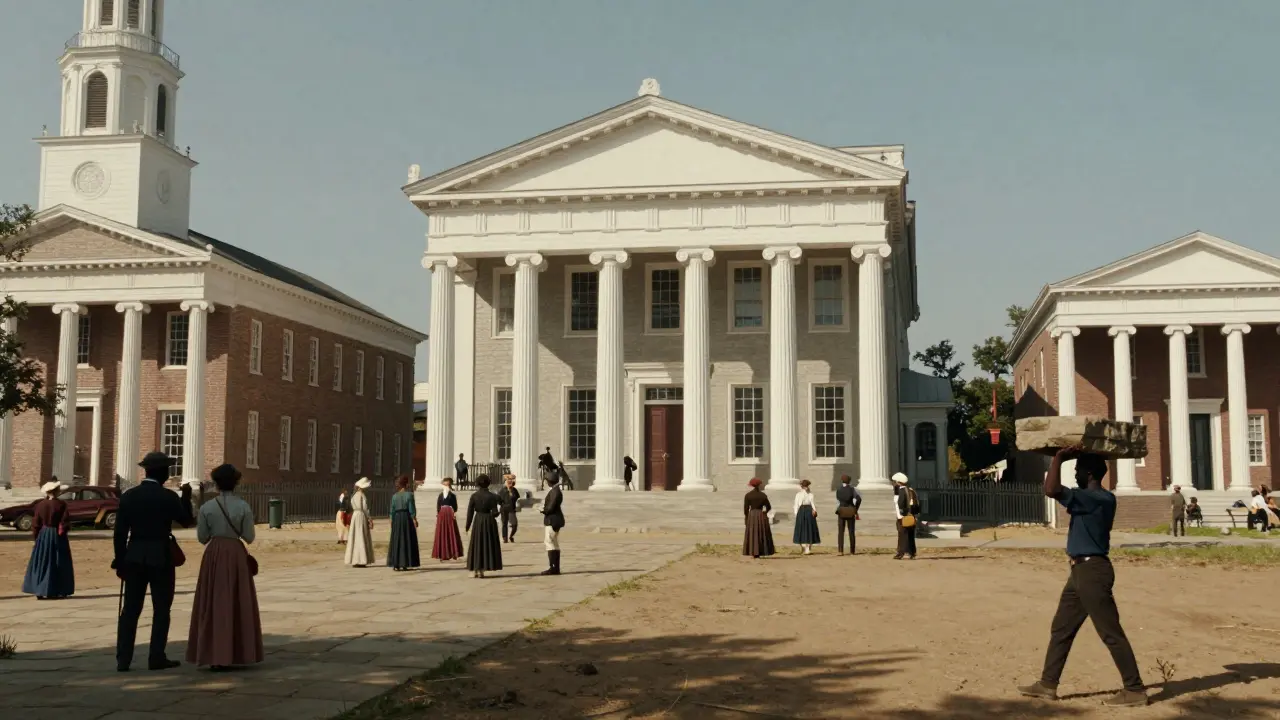
It wasn’t about archaeology. It was about mythmaking. Americans weren’t trying to recreate Athens. They were trying to become it. The style became a tool for social ambition. If you built your home with six Ionic columns, you weren’t just showing off-you were claiming a place in the new republic. Merchants, lawyers, and even former slaves who gained freedom used the style to say: I belong here.
In the South, the style took on a darker meaning. Plantation mansions with grand colonnades became symbols of wealth built on slavery. The same columns that stood for democracy in the North were used to mask exploitation in the South. The architecture didn’t change-but the meaning did. That tension still lingers in places like Natchez, Mississippi, where grand Greek Revival homes overlook the Mississippi River, silent witnesses to a complicated past.
Why It Faded-and Why It Still Matters
By the 1870s, the style began to decline. The Industrial Revolution brought new materials: cast iron, steel, glass. Victorian tastes favored ornament, not restraint. The clean lines of Greek Revival looked plain next to the lace-like carvings of Second Empire homes. But the style didn’t disappear. It evolved.
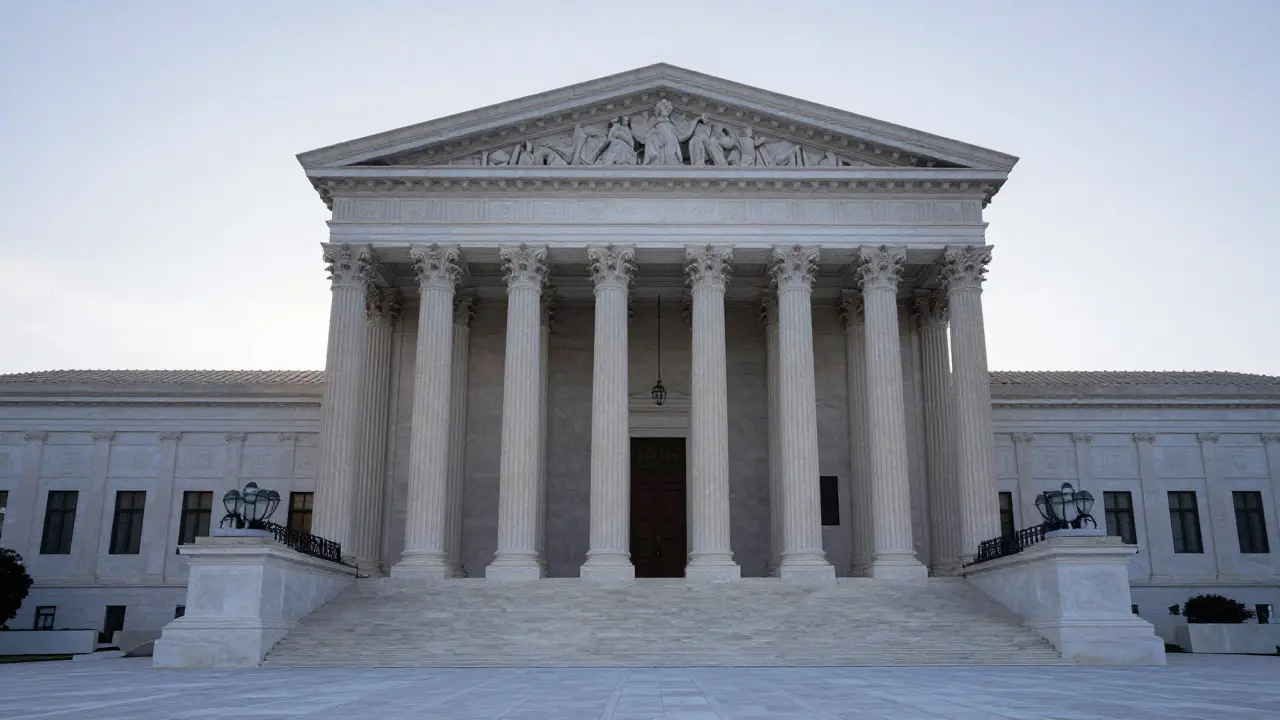
Modern government buildings still borrow from it. The Lincoln Memorial? A Greek temple. The Supreme Court? A temple with a portico. Even today, when a city wants to project stability, authority, or civic pride, it turns to columns and pediments. That’s not tradition-it’s intention.
What made Greek Revival powerful wasn’t its aesthetics. It was its message. It said: this society is built on reason, on law, on the people. And for a country still figuring out what it meant to be free, that message was everything.
Where to See It Today
You don’t need to travel far to find examples. In Richmond, Virginia, the Virginia State Capitol-designed by Thomas Jefferson-is one of the earliest public buildings in the U.S. to use Greek Revival. In Cincinnati, the Music Hall still holds its original portico from 1878. In New York, the Merchant’s Exchange Building on Wall Street, though now a bank, still wears its Doric columns like a badge.
Even in smaller towns, you can find them: the old post office with four columns, the schoolhouse with a triangular gable, the church with a pedimented entrance. These aren’t just old buildings. They’re artifacts of a time when Americans believed architecture could shape character.
What It Taught Us About Design
Greek Revival reminds us that buildings aren’t neutral. They carry values. A dome says power. A spire says heaven. A colonnade says democracy. The style didn’t just imitate Greece-it reimagined it for a new world. And that’s its lasting lesson: design isn’t decoration. It’s declaration.
Why was white paint so important in Greek Revival architecture?
White paint wasn’t chosen for aesthetics alone-it was symbolic. Ancient Greek temples were originally painted in bright colors, but by the 1800s, Europeans believed they were always white. Americans adopted this myth to represent purity, moral clarity, and a clean break from the ornate, colorful styles of British colonial architecture. White became a visual code for civic virtue and democratic ideals.
How did Greek Revival differ from other neoclassical styles like Roman Revival?
While both styles drew from ancient antiquity, Greek Revival focused on temples with simple, sturdy Doric or Ionic columns and triangular pediments. Roman Revival used arches, domes, and more elaborate ornamentation like Corinthian capitals and vaulted ceilings. Greeks were associated with democracy and public debate; Romans with empire and authority. Americans chose Greek forms because they wanted to align with republicanism, not imperial power.
Was Greek Revival architecture only popular in the United States?
No. The style spread across Europe and parts of Latin America in the early 19th century. In Germany, it was used for universities and museums to express Enlightenment ideals. In Greece itself, after gaining independence in 1832, the new government commissioned public buildings in Greek Revival to reconnect with its classical past. But the U.S. embraced it more widely and at every level-from mansions to log cabins-making it the most culturally embedded version of the style.
Did enslaved people contribute to Greek Revival buildings?
Yes. In the American South, enslaved laborers quarried stone, hauled timber, laid brick, and carved columns for many grand Greek Revival homes and public buildings. Their skills were essential, yet rarely acknowledged. The style’s association with democracy stood in stark contrast to the reality of slavery that funded many of its most iconic structures.
Why do modern government buildings still use Greek Revival elements?
Because the style still communicates permanence, order, and civic trust. When the U.S. Supreme Court was built in 1935, architects chose a Greek temple form not to copy the past, but to remind people that the law should stand above politics-just as the Parthenon once stood above the agora. It’s a visual shorthand for stability in a changing world.