

Learn how to bring the ornate, pastel, and gilded elegance of Rococo into your digital art with practical tips, tools, and real examples - no traditional painting required.
Ornate Design: Where Detail Meets Drama in Architecture
When you think of ornate design, a style defined by rich, detailed decoration that goes beyond function to express luxury, emotion, and craftsmanship. Also known as elaborate architecture, it’s not just about adding flair—it’s about making buildings feel alive with history and artistry. You’ll find it in the curling vines of a 1700s French ceiling, the gilded moldings of a Victorian townhouse, or the swirling stonework of a Baroque cathedral. This isn’t decoration for decoration’s sake. It’s a language—each scroll, rosette, and filigree telling you who built it, why, and what they valued.
Rococo architecture, a playful, intimate style from 18th-century Europe that used pastels, curves, and gold leaf to create spaces that felt like whispered secrets turned walls into canvases and ceilings into skies. Meanwhile, Baroque architecture, a bolder, more theatrical cousin that used mass, light, and motion to overwhelm and inspire awe turned churches into stage sets and palaces into power statements. Even Italianate architecture, a 19th-century revival that borrowed Tuscan villa details like bracketed eaves and tower roofs to bring European elegance to American homes leaned hard into ornate touches—cornices carved like lace, window surrounds framed like jewelry. These aren’t random flourishes. They’re deliberate choices that tie form to feeling, function to fantasy.
Today, ornate design isn’t dead—it’s being rediscovered. People are tired of flat, silent spaces. They want texture. They want soul. That’s why modern homes are bringing back carved woodwork, patterned tiles, and hand-finished metalwork. It’s not about copying the past. It’s about using those same principles—depth, rhythm, craftsmanship—to make today’s spaces feel richer, warmer, and more human. Below, you’ll find real examples of how ornate design shows up across centuries and continents. From the gilded interiors of Rococo salons to the sturdy, decorated facades of Italianate villas, these posts don’t just show you what ornate design looks like. They show you why it still matters.
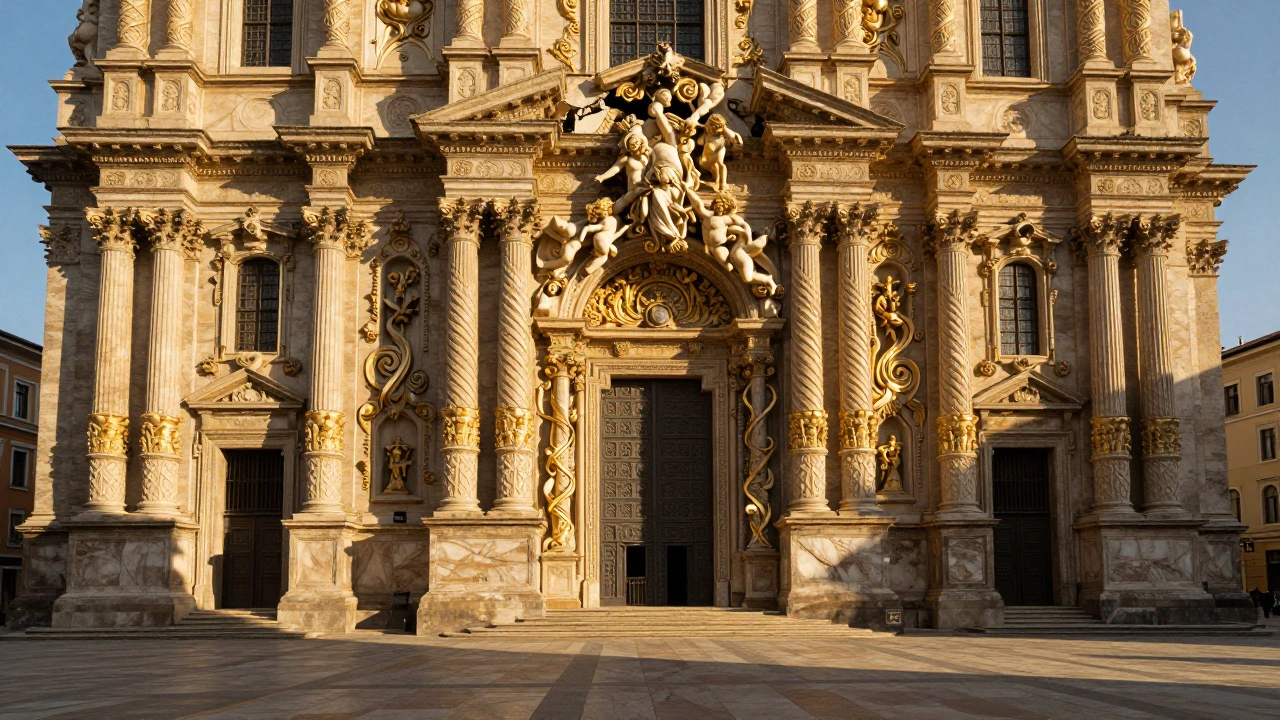
Baroque architecture uses movement, drama, and ornament to create awe. Learn how to recognize its twisted columns, gilded ceilings, and emotional design language in churches, palaces, and beyond.