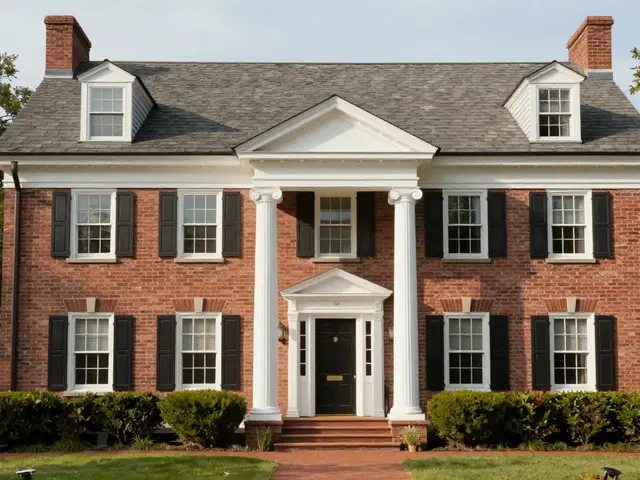
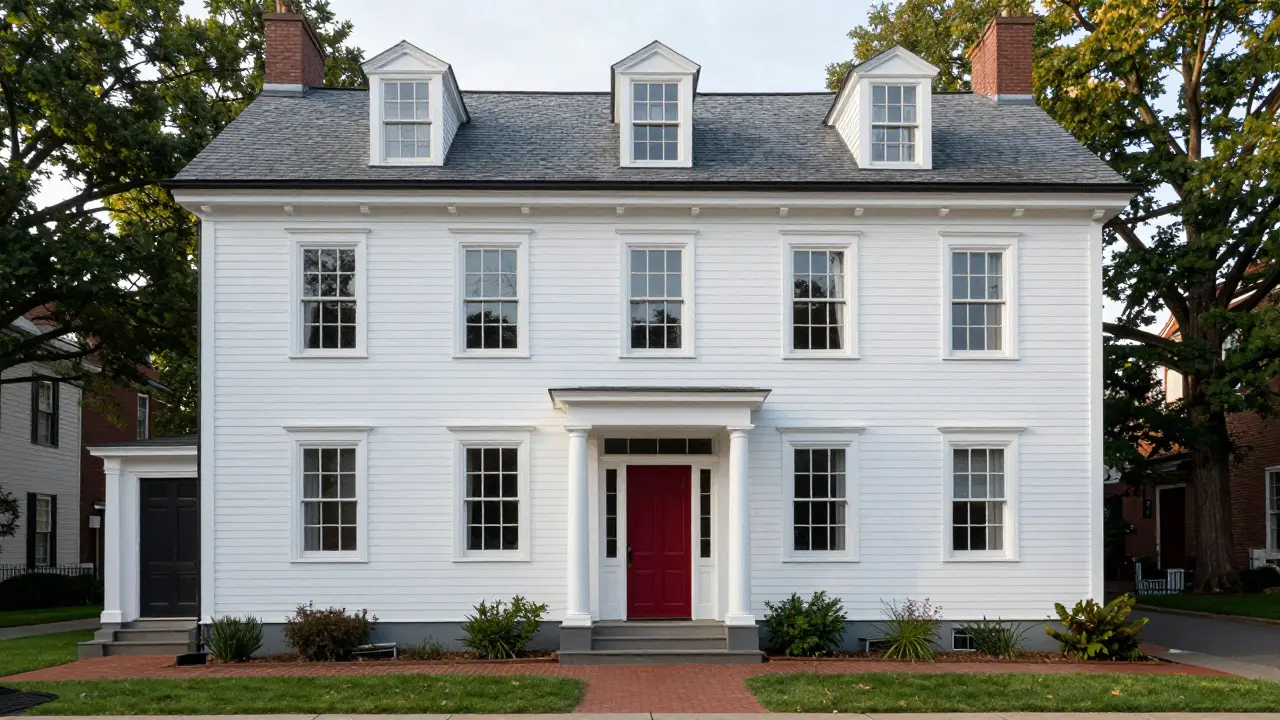
Walk down any well-preserved street in Boston, Philadelphia, or even suburban New Jersey, and you will likely see a house that looks like it stepped out of the 1700s. Symmetrical facades, white columns, and paneled doors dominate the view. This is Colonial Revival, an architectural style that emerged in the late 19th century as Americans looked back on their past with pride rather than shame. It wasn't just about copying old buildings; it was a deliberate attempt to create a national identity through design.
The movement gained massive traction between 1880 and 1940, influencing everything from private homes to public libraries and courthouses. Unlike the ornate Victorian styles that preceded it, Colonial Revival favored clarity, order, and simplicity. Today, it remains one of the most recognizable and enduring residential styles in the United States, blending historical homage with practical living spaces.
Why America Looked Backward
To understand why this style took off, you have to look at the social climate of the late 1800s. The United States had just finished its rapid industrialization and urbanization. Cities were growing fast, but they often felt chaotic and impersonal. At the same time, the country was grappling with its post-Civil War identity. There was a strong desire for stability, tradition, and a sense of continuity with the founding era.
Nationalism played a huge role here. Architects and homeowners wanted buildings that signaled democratic values and civic duty. The American Renaissance exhibition at the 1876 Centennial Exposition in Philadelphia helped spark this interest by showcasing high-quality reproductions of early American interiors. Suddenly, the simple lines of Georgian and Federal architecture looked elegant and sophisticated, not outdated.
This shift also aligned with the rise of the middle class. As more people moved into suburbs, they wanted homes that felt established and dignified. Colonial Revival offered a template that was affordable yet impressive, allowing new homeowners to project an image of heritage and respectability without the cost of genuine antique structures.
Defining Characteristics of the Style
While there is variation, several key elements define a true Colonial Revival home. If you are walking up to a house and trying to identify the style, look for these specific features:
- Symmetry: The facade is usually perfectly balanced. Windows are evenly spaced, and the front door is centered.
- Columns and Porticos: Many homes feature a central portico supported by columns, often resembling Greek temple fronts. These can be square, round, or fluted.
- Paneled Doors: The front door is typically wood with rectangular panels, often painted black, green, or red.
- Multi-Pane Windows: Windows are divided into smaller panes, commonly 6-over-6 or 9-over-9 configurations. They are usually double-hung sash windows.
- Clapboard Siding: Horizontal wooden siding is standard, though brick is common in certain regions like the Northeast.
- Gable Roofs: Steeply pitched gable roofs are typical, sometimes with decorative trim along the eaves.
It is worth noting that not every Colonial Revival home has all of these features. A simpler version might lack the grand portico but still maintain the symmetry and window patterns. The core idea is the adherence to classical proportions and visual balance.
Regional Variations and Subtypes
Architecture rarely stays static across a large country. In the US, Colonial Revival adapted to local materials and tastes, creating distinct subtypes. Understanding these helps explain why a house in Massachusetts looks different from one in California.
| Subtype | Primary Material | Key Feature | Common Region |
|---|---|---|---|
| Georgian Revival | Brick or Wood | Strict symmetry, central chimney | Northeast (Boston, NYC) |
| Federal Revival | Wood | Elegant fanlights, delicate trim | Middle Atlantic |
| Dutch Colonial | Stone or Brick | Gambrel roof, dormer windows | New York, New Jersey |
| Queen Anne Influence | Wood | Turrets, varied textures | West Coast, Pacific Northwest |
The Dutch Colonial subtype is particularly interesting because it borrows heavily from 17th-century Dutch settlers. The gambrel roof, which looks like a barn roof, provides extra attic space and gives the house a distinctive silhouette. On the West Coast, however, architects often mixed Colonial Revival with Queen Anne details, resulting in homes that are less rigidly symmetrical but still retain the classic window patterns and entryways.
Materials and Construction Techniques
While the style mimics older construction methods, modern Colonial Revival homes use contemporary building techniques. However, the exterior materials are chosen to replicate the look of the past. Wood clapboard is the most traditional material, requiring regular maintenance to prevent rot and warping. Brick is another popular choice, especially in areas where stone or clay was historically abundant. Brick offers durability and low maintenance, making it a favorite for homeowners who want the aesthetic without the upkeep.
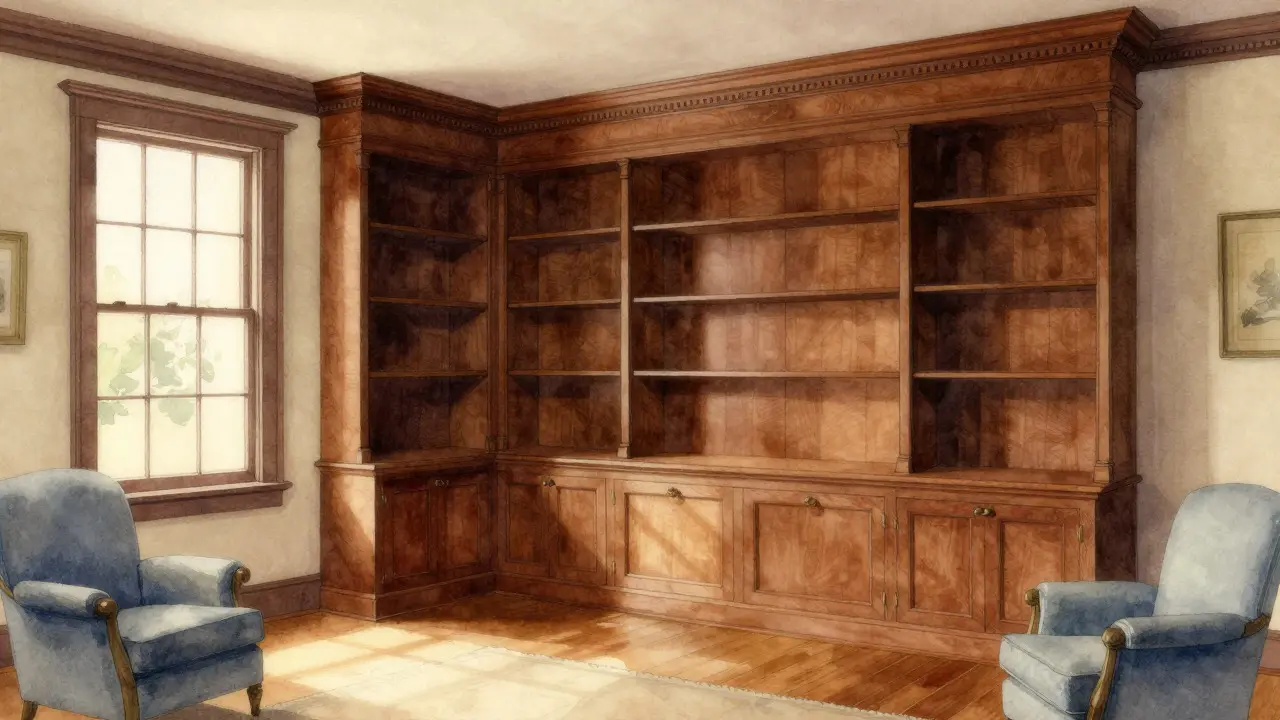
Inside, the focus is on craftsmanship. You will often find built-in cabinetry, crown molding, and hardwood floors. The interior layout tends to be formal, with separate rooms for dining, living, and sleeping. This contrasts with the open-plan layouts seen in mid-century modern homes. For those renovating, preserving original millwork is crucial to maintaining the home's value and character.
Colonial Revival vs. Other Historical Styles
People often confuse Colonial Revival with other historical styles, particularly Georgian and Federal. While they share DNA, there are subtle differences. True Georgian architecture (from the 1700s) is strictly utilitarian and lacks the decorative flourishes added during the Revival period. Federal style is more ornate, featuring intricate plasterwork and fan-shaped transoms over doors. Colonial Revival blends elements of both but simplifies them for mass production.
It is also distinct from Cape Cod style. While both are symmetrical, Cape Cod homes are smaller, have steep roofs for snow shedding, and often feature a single central chimney. Colonial Revival homes are generally larger, with more elaborate entries and multiple chimneys. Recognizing these distinctions is important for historians and real estate professionals alike.
Modern Applications and Renovations
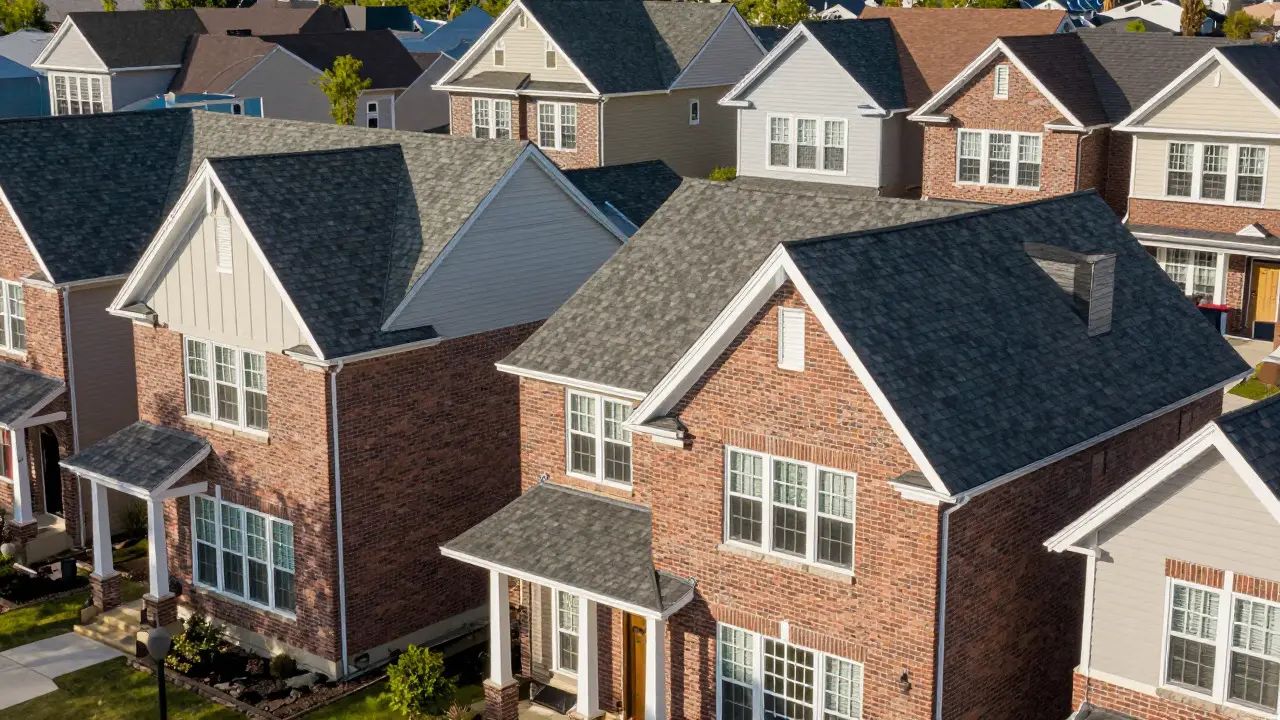
Is Colonial Revival only for old houses? Not necessarily. Many new builds incorporate the style, especially in affluent suburbs. Builders use synthetic siding that looks like wood but lasts longer, and energy-efficient windows that mimic the multi-pane look. The challenge for modern architects is balancing historical accuracy with modern livability. Adding solar panels or large picture windows can disrupt the symmetry, so careful planning is required.
If you are considering buying or renovating a Colonial Revival home, pay attention to the structural integrity of the foundation and the condition of the original windows. Replacing historic windows with vinyl can significantly lower the property's value. Instead, consider restoring the existing sash or using custom wood replacements. Maintaining the exterior paint schedule is also vital, as peeling paint is a quick way to ruin the clean lines that define the style.
Frequently Asked Questions
What is the main difference between Colonial Revival and Georgian architecture?
Georgian architecture refers to actual buildings from the 18th century, characterized by strict proportionality and minimal ornamentation. Colonial Revival is a 19th and 20th-century interpretation that adds decorative elements like columns, pediments, and detailed trim while keeping the general symmetrical form.
Are Colonial Revival homes good for first-time buyers?
They can be, but they often require more maintenance than modern builds. The solid construction and durable materials make them long-term investments, but you should budget for potential repairs to older systems like plumbing and electrical wiring.
Can I add a porch to my Colonial Revival home?
Yes, but it must match the existing scale and style. A simple columned portico works well, but avoid overly ornate designs that clash with the clean lines. Check local historic district regulations if your home is in a protected zone.
What colors are traditional for Colonial Revival exteriors?
Traditional colors include white, cream, light gray, and muted blues or greens. The trim is usually white or a contrasting dark color like black or navy. Avoid bright or neon colors that disrupt the understated elegance of the style.
Does Colonial Revival architecture exist outside the United States?
Yes, but it is most prominent in the US due to its nationalistic roots. Similar styles appeared in Canada and parts of Europe, but they are often referred to by different names or blended with local traditions. In Australia, for example, you might see similar symmetrical designs labeled as Federation or Interwar style.