By the mid-1800s, Europe and its colonies were turning away from the clean lines of Neoclassicism and looking back-way back-to the stone cathedrals of the Middle Ages. It wasn’t nostalgia. It was a movement. Gothic Revival architecture wasn’t just about copying old designs; it was a rebellion, a spiritual statement, and a technological experiment rolled into one. This style didn’t just appear overnight. It grew, changed, and spread across continents, shaped by religion, politics, and the rise of industrial manufacturing.
Where It All Began: England’s Romantic Rebellion
The Gothic Revival didn’t start in a cathedral. It started in a library. In 1749, Horace Walpole turned his home in Twickenham into Strawberry Hill-a whimsical, uneven pile of turrets, pointed windows, and ornate carvings. He called it ‘Gothic,’ but it was more fantasy than fact. Still, it sparked something. By the 1830s, architects like Augustus Welby Northmore Pugin were demanding authenticity. They studied medieval buildings in detail, measuring ribbed vaults, flying buttresses, and tracery patterns. Pugin believed Gothic wasn’t just pretty-it was moral. He argued that the craftsmanship and spiritual focus of medieval builders were lost in the cold, mechanical world of the Industrial Revolution.
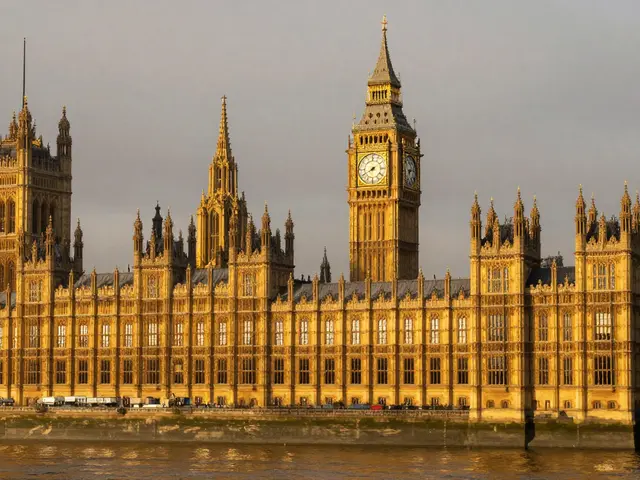
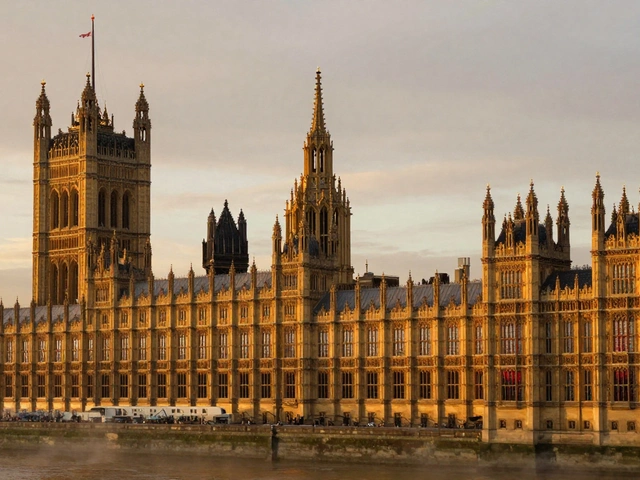
His ideas caught fire. In 1840, he helped design the interior of the new Palace of Westminster. The result? A national symbol: a Parliament building with soaring spires, stained glass, and carved saints. Suddenly, Gothic wasn’t just for churches. It was for government, schools, and even train stations. The style became England’s architectural identity.
From England to the World: A Global Movement
By the 1850s, Gothic Revival had crossed the Atlantic. In the United States, architects like Richard Upjohn and James Renwick Jr. took the English model and made it their own. Upjohn’s Trinity Church in New York (1846) was one of the first major American Gothic buildings. It wasn’t a copy of Chartres-it had a steeper roof, simpler stonework, and a more compact footprint suited to American cities and budgets.
Meanwhile, in Canada, Australia, and New Zealand, British colonists brought Gothic with them as a sign of cultural authority. The University of Melbourne’s Old Arts Building (1857) and Sydney’s St Mary’s Cathedral (begun 1868) were built with local sandstone, but their floor plans, windows, and spires followed English patterns. In Australia, the style became especially popular for churches and universities-places meant to convey permanence and learning.
What made Gothic Revival spread so fast? New technology. Steam-powered saws and cast iron made it easier to mass-produce decorative elements. Factories in Birmingham and Manchester churned out pre-carved stone ornaments, gargoyles, and finials. Builders could now install intricate details without hiring a hundred skilled stonemasons. Gothic Revival became affordable.
The Rise of Ecclesiastical Gothic
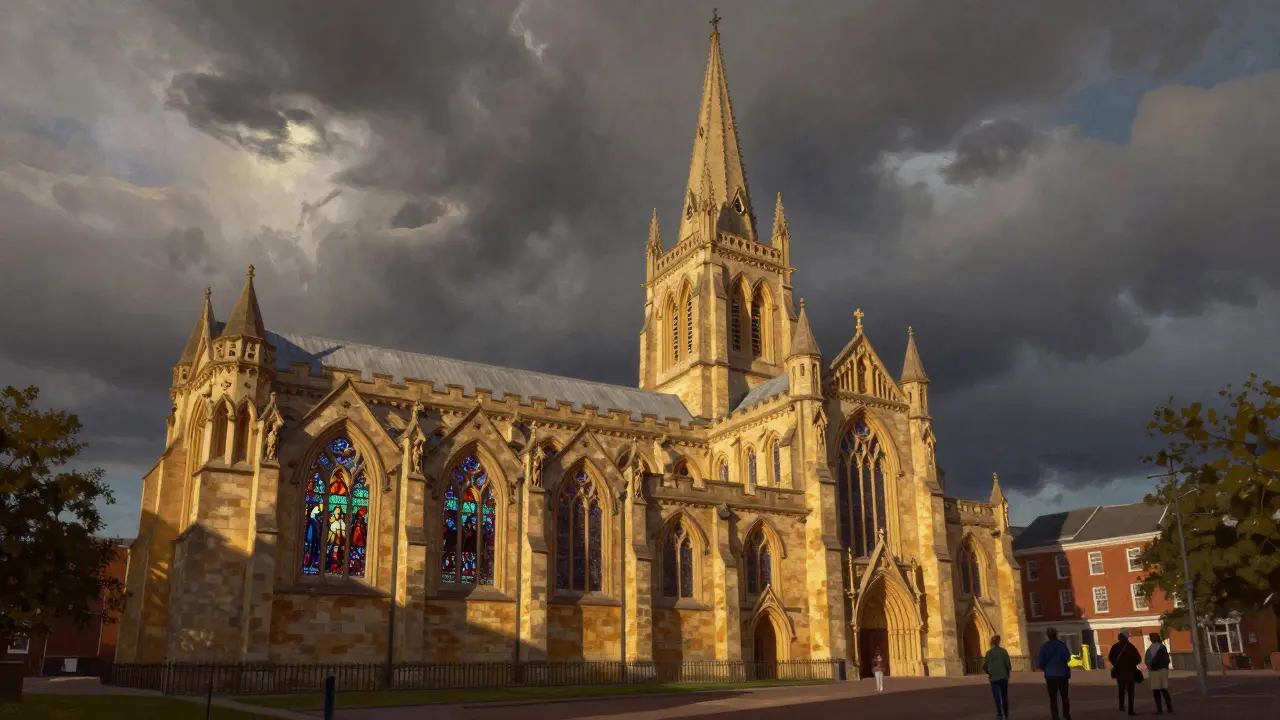
Churches were the heart of the movement. Architects believed the Gothic style-especially the pointed arch, ribbed vault, and flying buttress-was the only true way to build a space that lifted the soul. The pointed arch directed the eye upward. The ribbed vault distributed weight efficiently, allowing taller walls and bigger windows. Flying buttresses, those stone arms reaching out from the walls, let builders remove heavy support columns and fill the walls with stained glass.
In the 1870s, the Ecclesiological Society in England pushed for even stricter adherence to medieval forms. They insisted on eastward-facing altars, chancel screens, and proper liturgical layouts. Churches built under their influence looked like miniature cathedrals. St. Mary’s in Battersea (1859) and St. John’s in Adelaide (1870) followed these rules exactly. Even small rural chapels in Australia and Canada had stained glass, carved pews, and stone altars copied from 13th-century English models.
By the 1880s, Gothic Revival churches outnumbered any other style in the British Empire. In Perth, St. George’s Cathedral (1888) was built with local limestone and imported English glass. Its nave was 24 meters high, its spire reached 60 meters, and its interior was filled with carved oak stalls and a reredos made in London. It wasn’t just a church-it was a statement that this far-flung colony still belonged to the cultural heart of Europe.
When Gothic Met the City: Civic Buildings and Universities
As the 19th century rolled on, Gothic Revival moved beyond churches. Universities wanted to look ancient, even if they were brand new. Oxford and Cambridge led the way, but soon, Harvard, Yale, and the University of Toronto followed. Their libraries, lecture halls, and dormitories were built with turrets, cloisters, and gargoyles. The message? Knowledge is timeless.
Government buildings got the Gothic treatment too. The Parliament Buildings in Ottawa (completed 1866) were designed to rival Westminster. In Melbourne, the State Library of Victoria (1854-1860) opened with a grand reading room under a glass dome, surrounded by Gothic arches and marble columns. Even post offices, courthouses, and railway stations adopted the style. The old General Post Office in Sydney (1874) had a clock tower, pointed arches, and stone carvings of queens and saints. It wasn’t just functional-it was meant to inspire awe.
Why? Because in a time of rapid change, people wanted buildings that felt rooted. Industrialization was turning cities into smoky, crowded places. Gothic Revival offered a vision of order, beauty, and sacred space. It was architecture as comfort.
The Decline and Unexpected Revival
By the 1920s, the Gothic Revival began to fade. Modernists like Le Corbusier called it outdated. They wanted clean lines, steel frames, and glass walls. The Great War had changed everything. People didn’t want to build like the Middle Ages anymore. They wanted to build for the future.
But the style didn’t disappear. It went quiet. In the 1970s, as postmodernism took hold, architects began looking back again-not to copy, but to reinterpret. The pointed arch returned in new forms: in the glass-and-steel atrium of the National Gallery of Victoria (1968), in the ribbed concrete roof of the Sydney Opera House (1973), even in the arched windows of modern universities.
Today, you can still see Gothic Revival everywhere. The University of Queensland’s Great Court (1939) still uses its original stone tracery. The Cathedral of Our Lady of the Angels in Los Angeles (2002) uses modern materials but echoes medieval proportions. In Perth, St. Mary’s Cathedral underwent a major restoration in 2020, bringing back its original stained glass and carved capitals-details that had been covered up for decades.
Gothic Revival wasn’t just a style. It was a belief. A belief that architecture could carry meaning, that beauty mattered, and that the past could speak to the present. It survived because it wasn’t just about stone and glass-it was about identity.
What Made Gothic Revival Different?
Other styles copied ancient Rome or drew from Renaissance symmetry. Gothic Revival didn’t just imitate-it reimagined. It took medieval forms and adapted them for steam engines, mass production, and colonial expansion. It wasn’t about being historically accurate. It was about being emotionally true.
Key features that defined it:
- Pointed arches-used in doors, windows, and vaults to create height and direction
- Ribbed vaults-interlocking stone ribs that supported ceilings and allowed thinner walls
- Flying buttresses-external stone supports that transferred weight away from walls
- Stained glass windows-large, colorful panels that told biblical stories through light
- Ornate stone carvings-gargoyles, foliage, saints, and mythical beasts
- Towers and spires-vertical elements meant to draw the eye toward the sky
These weren’t just decorative. They were structural innovations turned into symbols.
Legacy in Today’s Architecture
Look at any modern university campus. Chances are, you’ll see a library with a pointed arch entrance or a chapel with a steeply pitched roof. That’s Gothic Revival’s ghost. It’s not the style itself that’s alive-it’s the idea behind it: that buildings should elevate the spirit.
Even in minimalist designs, the influence lingers. The verticality of skyscrapers echoes the spires of 19th-century cathedrals. The use of light in modern atriums follows the same logic as stained glass-controlling how people feel as they move through space.
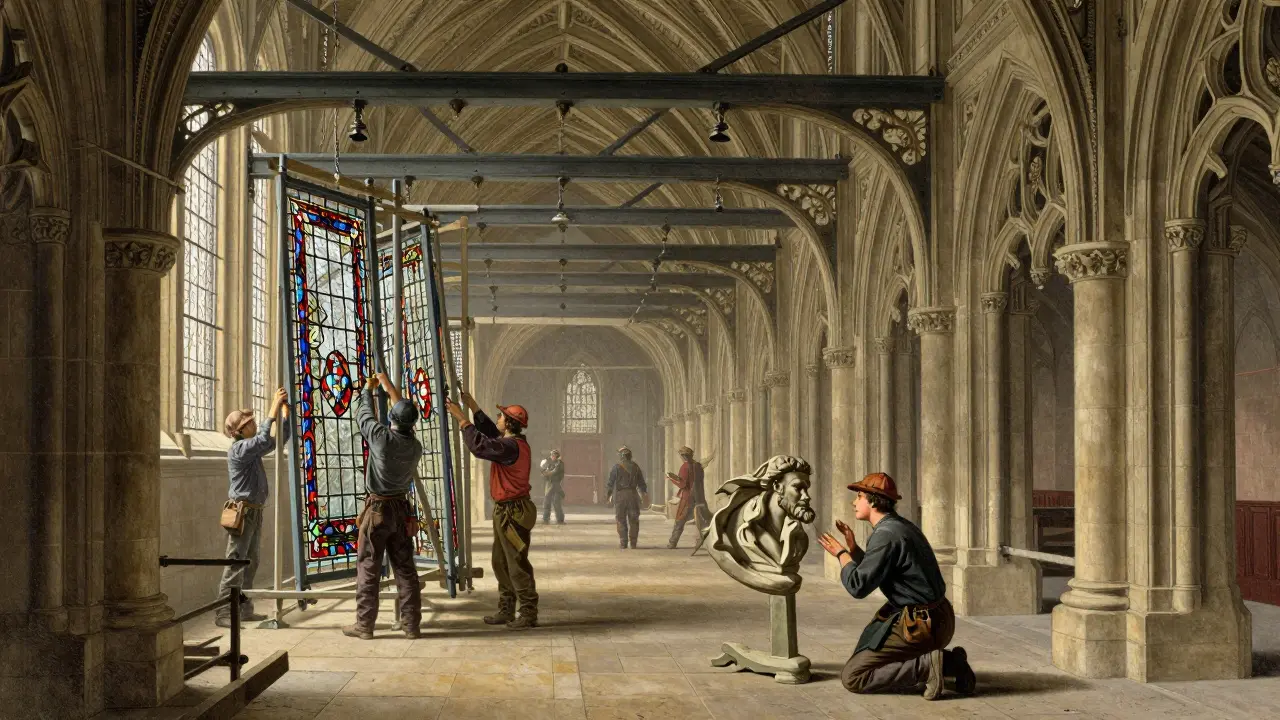
And in restoration projects, we still fight over the right way to repair a Gothic window. Do we use modern glass? Do we match the original color? Do we rebuild a missing gargoyle? These debates prove the style still matters. It’s not just history. It’s a living conversation between then and now.
What’s the difference between Gothic and Gothic Revival architecture?
Gothic architecture refers to the original style built between the 12th and 16th centuries in Europe-think Notre-Dame or Salisbury Cathedral. Gothic Revival is the 19th-century movement that copied and adapted those forms. Revival buildings often use modern materials like cast iron and mass-produced stone. They’re not medieval-they’re modern buildings dressed in medieval clothes, with a purpose.
Why did Gothic Revival become so popular in the 1800s?
It answered two needs. First, people were reacting against the cold, industrial world. Gothic felt spiritual, handcrafted, and moral. Second, new technology made it affordable. Factories could produce decorative elements cheaply, so even small towns could build impressive churches and schools. It wasn’t just beauty-it was practical.
Was Gothic Revival only for churches?
No. While churches were the most common, the style was used for universities, government buildings, libraries, train stations, and even homes. In Australia and Canada, it became the default style for public institutions because it signaled authority, tradition, and permanence.
How did Gothic Revival reach Australia?
British colonists brought the style with them as part of their cultural identity. Architects trained in England designed buildings using English pattern books. Local materials like sandstone and limestone were used, but the floor plans, windows, and carvings followed strict Gothic rules. St. Mary’s Cathedral in Sydney and St. George’s Cathedral in Perth are prime examples.
Is Gothic Revival still being built today?
Not in the traditional sense. But elements of it-pointed arches, verticality, stained glass, and stone carvings-still appear in modern religious buildings, university campuses, and restoration projects. The style isn’t dead; it’s been absorbed into how we think about sacred and civic space.