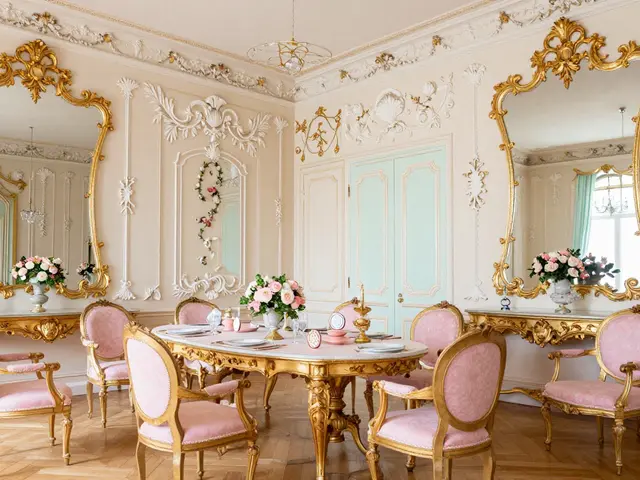
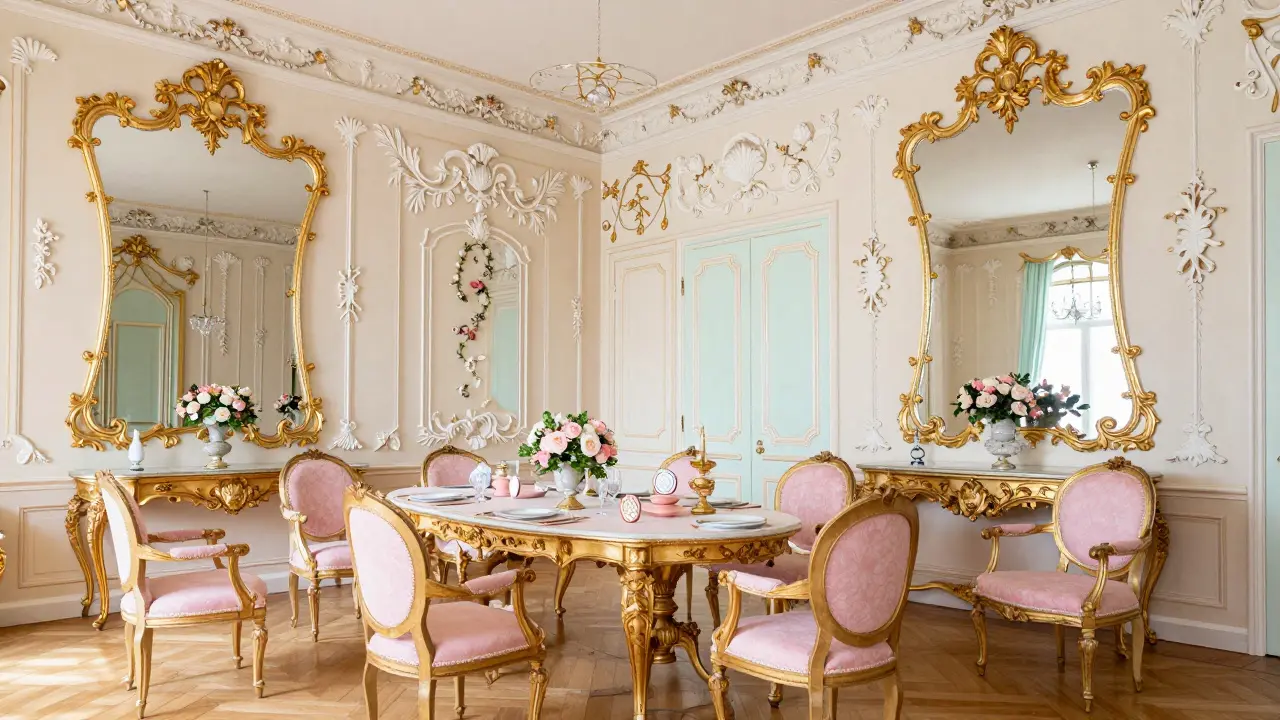
Think of the most extravagant room you can imagine. Now, imagine it filled with gold leaf, pastel pinks, swirling shells, and mirrors that make the space feel like it's floating. That is the essence of Rococo style is an 18th-century artistic movement characterized by lightness, elegance, and an exuberant use of curving curves and pastel colors. Often seen as a reaction against the heavy, rigid formality of the Baroque era, it traded dramatic shadows for airy light and royal power for intimate pleasure. It wasn't just a trend; it was a full-blown obsession with the ornate that still creeps into our modern living rooms and high-fashion runways today.
Quick Takeaways for Design Lovers
- The Core Vibe: Playful, asymmetric, and incredibly ornate.
- Key Palette: Cream, gold, mint green, baby blue, and blush pink.
- Defining Shapes: The "S" and "C" curves, shells (rocaille), and floral garlands.
- Philosophy: A shift from public grandeur to private comfort and wit.
The Rebellion Against the Heavy
To understand Rococo, you have to look at what came before it. Baroque was all about power. It was the style of the Catholic Church and absolute monarchs like Louis XIV. Everything was massive, dark, and designed to make you feel small. But by the early 1700s, the French aristocracy grew tired of the stifling formality of the court at Versailles. They wanted something that felt more like a party and less like a religious ceremony.
This shift happened in the salons of Paris, where intellectuals and artists gathered. They stopped building giant halls for the public and started designing smaller, more intimate rooms for socializing. This is where the style really took off. The word "Rococo" actually comes from the French word rocaille, meaning shell or pebble work. If you see a piece of furniture that looks like it was carved out of a sea shell and then dipped in gold, you're looking at the heart of the movement.
Defining the Rococo Visual Language
If you're trying to spot Rococo in a museum or an old estate, look for the lack of straight lines. In this world, a straight line is a missed opportunity for a curl. The style relies heavily on asymmetry, which was a bold move at the time. While Baroque loved a perfectly mirrored room, Rococo embraced the organic flow of nature.
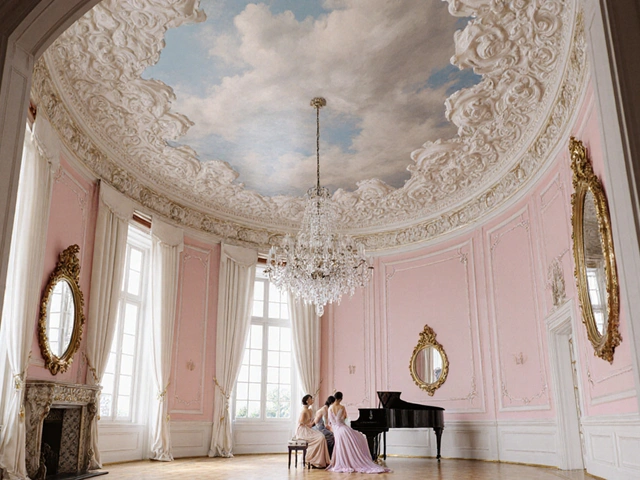
Then there are the materials. Stucco became the go-to for ceiling decorations because it could be molded into complex, swirling shapes. This was often paired with Gilding, the process of applying a thin layer of gold leaf to wood or plaster. The goal was to create a shimmering, ethereal environment that felt detached from the grit of the real world. Think of it as the 18th-century version of a luxury filter.
| Feature | Baroque | Rococo |
|---|---|---|
| Mood | Dramatic, Heavy, Formal | Playful, Light, Intimate |
| Colors | Deep Reds, Golds, Dark Browns | Pastels, Creams, Gold, White |
| Composition | Symmetrical and Balanced | Asymmetrical and Organic |
| Purpose | To Awe and Intimidate | To Charm and Entertain |
The Art of the Intimate Space
One of the biggest contributions of this era was the invention of the Boudoir. This was a private dressing room or sitting room where women of the court could escape the rigid protocols of royal life. Here, the furniture became smaller and more specialized. You saw the rise of the fauteuil (an open-arm chair) and the console tableK, which were designed to be moved around easily to facilitate conversation.
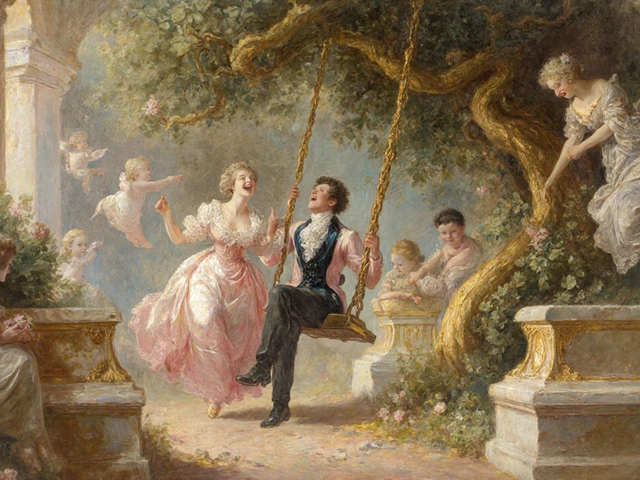
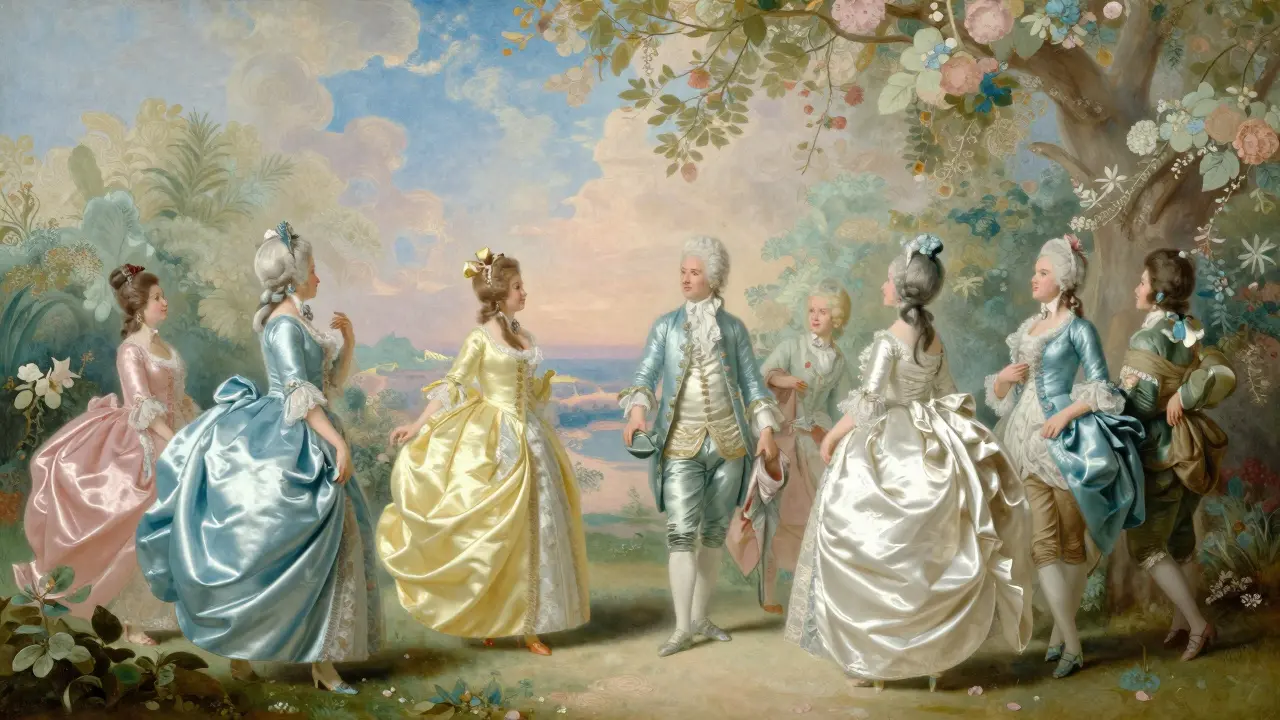
Paintings also shifted. Instead of massive battles or religious martyrs, artists like Jean-Antoine Watteau and François Boucher focused on fêtes galantes-scenes of high-society leisure in park-like settings. These paintings weren't trying to teach a moral lesson; they were meant to be visually delicious. They focused on the texture of silk, the glow of skin, and the flirtatious glances between lovers. It was an art of pleasure, not piety.
Bringing Rococo Into the 21st Century
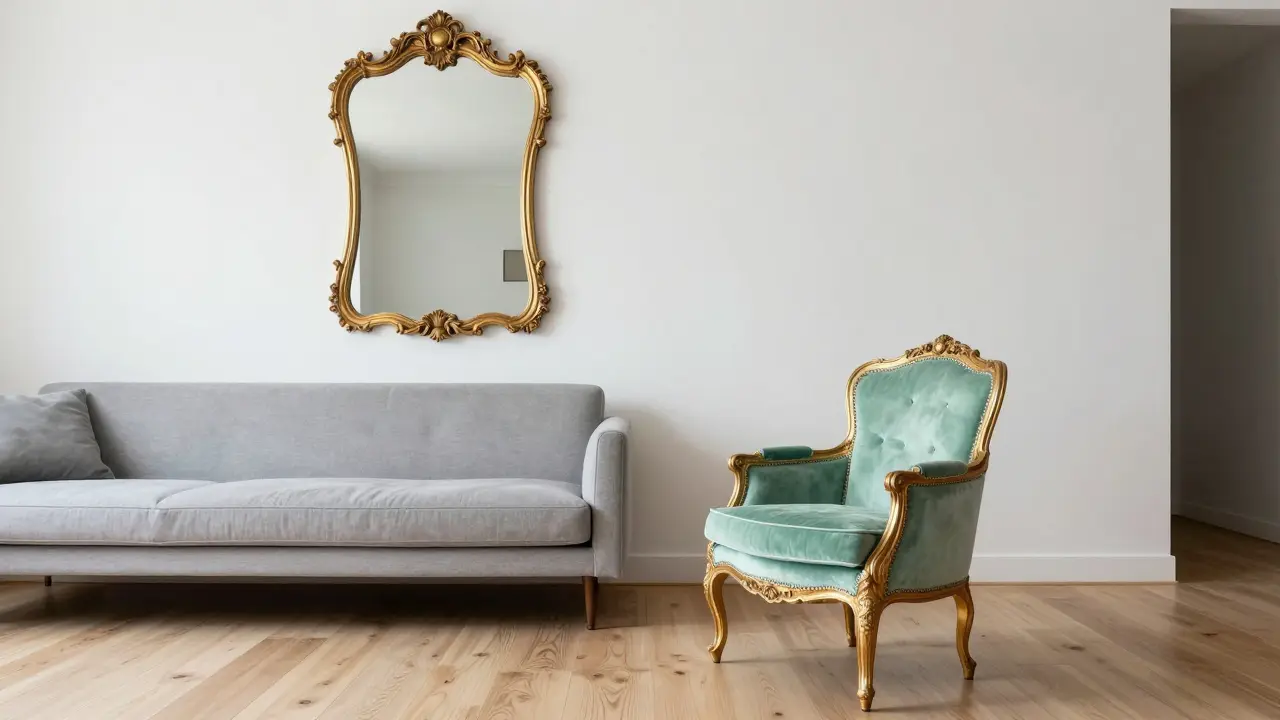
You might think that a style defined by gold-leafed shells is too "much" for a modern apartment, but the principles of Rococo are actually everywhere. Look at the current trend of "maximalism." The idea that more is more-filling a room with textures, bold colors, and eclectic art-is a direct descendant of the Rococo spirit. When we mix a sleek, mid-century modern sofa with an ornate, gilded mirror, we're playing the same game of contrast that the 18th-century designers loved.
In modern interior design, the "Neo-Rococo" approach is about taking the elegance without the clutter. Instead of gilding every inch of the ceiling, designers might use a pastel color palette (mint or blush) paired with one standout piece of curved furniture. This creates a focal point that feels romantic and sophisticated rather than like a museum exhibit. It's about using curves to break the monotony of the "beige box" architecture that dominates so many new homes.
The Lasting Influence on Fashion and Architecture
Beyond the home, Haute Couture frequently raids the Rococo wardrobe. Whenever you see a runway show featuring oversized bows, panniers (the wide hip-hoops of the 1700s), or intricate lace ruffles, that's Rococo. Designers use these elements to evoke a sense of luxury and femininity that feels timelessly opulent.
In architecture, the influence persists in the way we think about decorative ceilings and ornamental facades. Even in some modern luxury hotels, the use of ornate cornices and curved balconies is a nod to this era. It reminds us that humans have a fundamental craving for beauty and whimsy, regardless of how many minimalist trends tell us to clear our surfaces of everything.
Common Pitfalls When Incorporating Rococo
If you're tempted to bring this style into your home, there's a fine line between "curated elegance" and "antique store explosion." The biggest mistake people make is overdoing the gold. If every piece of furniture is gilded, the room loses its airiness and starts to feel heavy and dated.
Another trap is ignoring the scale. Rococo furniture was designed for small, intimate rooms. Putting a massive, ornate Rococo cabinet in a tiny studio apartment can make the space feel claustrophobic. The trick is to use the style as an accent. A single Rococo-style chair in a white room acts like a piece of jewelry; it draws the eye and adds character without overwhelming the senses.
Is Rococo the same as Baroque?
Not exactly. While Rococo evolved out of the Baroque period, they have different goals. Baroque is about drama, power, and symmetry, often using deep, dark colors to create a sense of awe. Rococo is the "lighter" version-it's more playful, asymmetrical, and uses pastels to create a feeling of intimacy and charm.
What are the most common colors in Rococo design?
The palette is dominated by light, airy tones. You'll see a lot of ivory, cream, and gold, paired with soft pastels like powder blue, mint green, pale yellow, and blush pink. The goal was to make the room feel like it was filled with sunlight.
Who are the most famous Rococo artists?
Jean-Antoine Watteau is often credited with starting the movement with his scenes of aristocratic leisure. François Boucher and Jean-Honoré Fragonard are also giants of the era, known for their soft textures and romantic, sometimes mischievous, subject matter.
How can I add Rococo elements to a modern room?
Start with one "hero" piece, like an ornate gold-framed mirror or a curved accent chair. Balance the ornate detail with clean, modern lines-for example, pair a Rococo mirror with a simple white wall and a minimalist side table. Use pastel accents in your pillows or rugs to tie the look together.
Why did the Rococo style eventually fade?
By the late 18th century, the extreme ornament of Rococo began to be seen as frivolous and superficial. This led to the rise of Neoclassicism, which returned to the straight lines and structured symmetry of ancient Greece and Rome, reflecting the more rational, political spirit of the Enlightenment and the French Revolution.