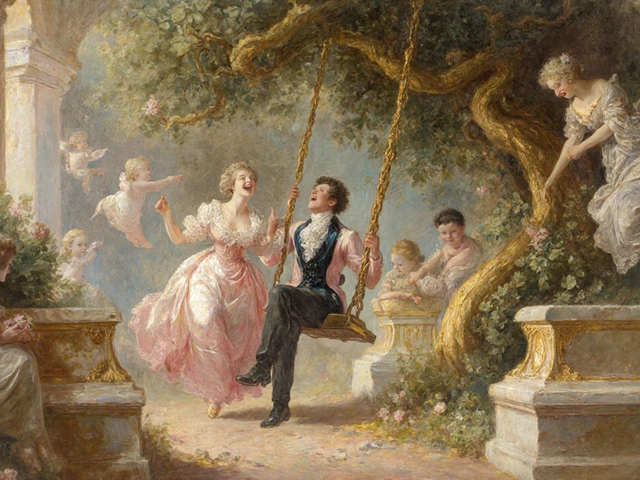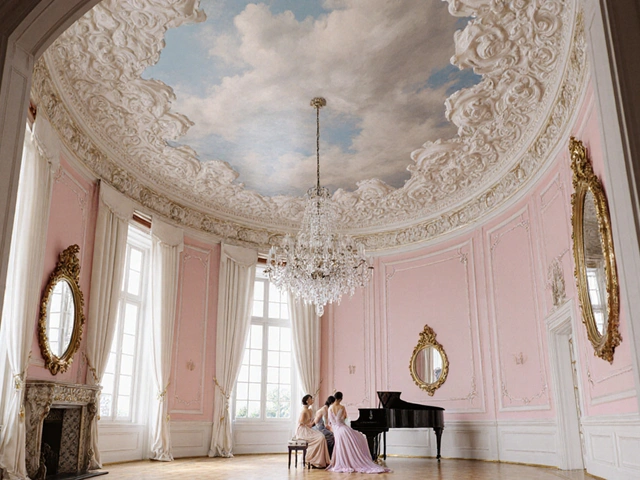
Think Rococo is just for palaces and museums? Think again. The swirling gold leaf, pastel walls, and curvy furniture once reserved for French royalty are making a quiet but powerful comeback in today’s homes. It’s not about copying 18th-century salons-it’s about borrowing the soul of Rococo: playfulness, warmth, and a love of detail that turns ordinary rooms into something alive.
Rococo began in France around 1730 as a reaction to the heavy, serious grandeur of Baroque. Where Baroque shouted power, Rococo whispered delight. It was the style of intimate salons, not throne rooms. Think soft curves, asymmetrical shells, flowers, and vines that seem to dance across walls and ceilings. It was designed to make people feel cherished, not intimidated. And that’s exactly what modern homes need right now.
Why Rococo Works in Today’s Spaces
Modern life is loud, fast, and often cold. Open-plan layouts, minimalist furniture, and neutral palettes have dominated for years. But many are tired of spaces that feel like showrooms. People are craving rooms that feel like a hug-spaces with character, texture, and emotion. That’s where Rococo steps in.
It doesn’t mean covering your walls in gold. It means choosing one element-a mirror with a carved frame, a velvet armchair with scrollwork, a ceiling medallion-and letting it become the heart of the room. A single Rococo-inspired piece can anchor a modern space without overwhelming it. It’s not about going full Louis XV. It’s about letting beauty surprise you.
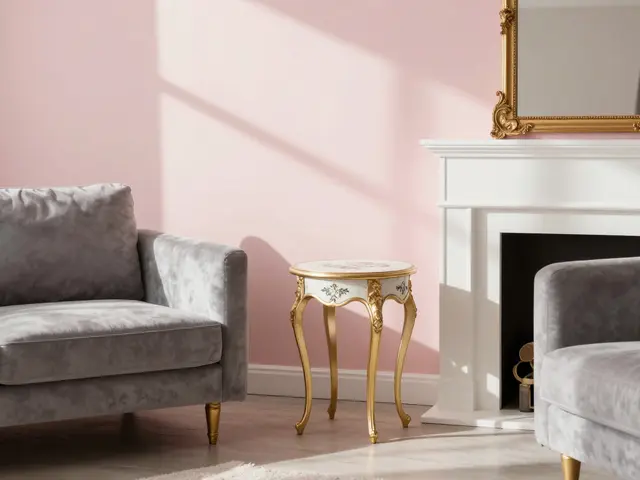
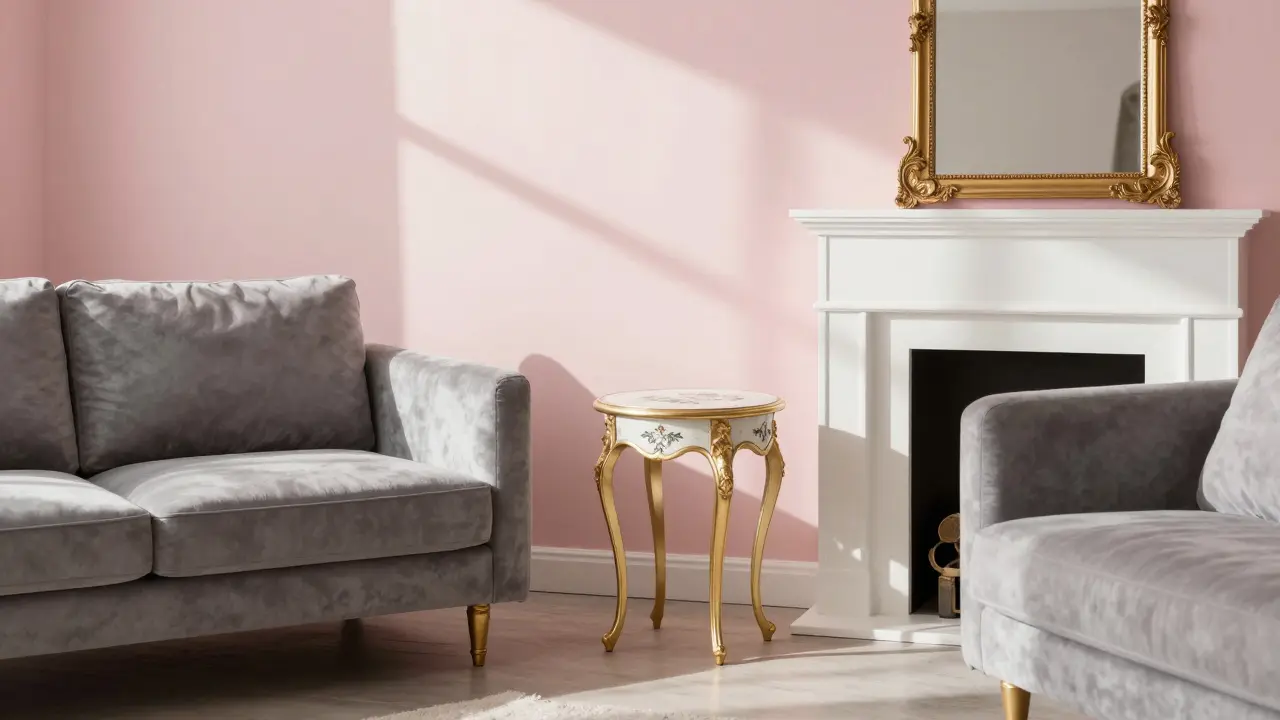
Take a living room with clean lines and gray sofas. Add a Rococo-style side table with delicate legs and floral inlay. Suddenly, the room breathes. Or hang a gilt mirror above a minimalist fireplace. The reflection catches the light differently. The room feels deeper, richer.
Key Elements of Rococo You Can Use Today
You don’t need to restore a chateau to bring Rococo into your home. Start with these five elements:
- Curved lines-Think C-scrolls, S-curves, and asymmetrical shapes. These soften hard edges in modern furniture.
- Pastel palettes-Powder blue, blush pink, mint green, and lavender. These aren’t just pretty-they create calm.
- Ornamental details-Floral motifs, shells, acanthus leaves, and scrolls. Even small carvings on lamp bases or drawer pulls make a difference.
- Textured surfaces-Velvet, silk, brocade, and gilded finishes. These catch light and add warmth.
- Reflective surfaces-Mirrors with carved frames, polished brass, and crystal chandeliers. They make spaces feel larger and more luminous.
These aren’t decorative add-ons. They’re design tools. A curved sofa back isn’t just pretty-it invites you to sink in. A pastel wall isn’t just a color-it changes how light moves through the room.
Where to Find Authentic Rococo Pieces
You don’t need to hunt down antiques in Paris. Many modern makers are reviving Rococo craftsmanship with a cleaner, more livable twist.
Look for furniture from Italian ateliers like Poltrona Frau an Italian luxury furniture brand known for handcrafted seating with sculpted forms and rich textures, or French designers like Christophe Delcourt a contemporary designer who blends Rococo curves with modern materials. Both use traditional techniques but scale down proportions for today’s homes.
For smaller accents, check out independent artisans on Etsy or local craft fairs. A hand-painted porcelain vase, a brass candleholder with vine motifs, or a mirror with a gilded edge-these cost less than a new TV but add more soul.
Even IKEA has started introducing Rococo-inspired details in limited collections: curved drawer pulls, floral wallpaper, and velvet cushions with delicate embroidery. You don’t need to spend thousands to feel the style.
How to Avoid Overdoing It
Rococo is beautiful-but too much becomes a theme park. The key is restraint.
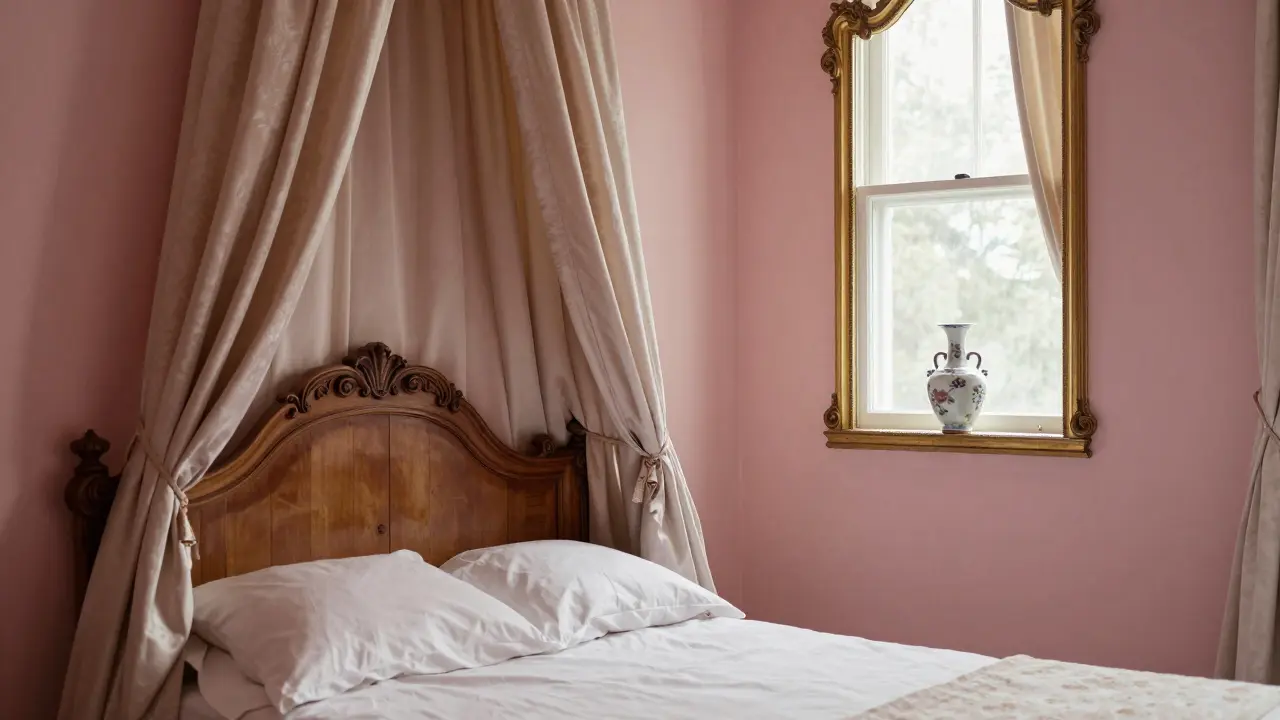
Rule of thumb: pick one room to go all-in. A bedroom, a powder room, or a reading nook. Let the rest of the house stay grounded. A Rococo bedroom with a curved headboard, soft drapes, and a gilded mirror feels luxurious. A whole house with every surface covered in scrolls? It becomes exhausting.
Balance is everything. Pair a Rococo mirror with a sleek, black-framed TV. Mix a velvet chaise with a concrete coffee table. Let the old and new talk to each other. That contrast is what makes it modern.
Also, avoid heavy, dark woods. Rococo was light, airy. Stick to pale oak, whitewashed pine, or even painted white furniture. Gold should be soft-brushed brass, not shiny chrome.
Real Homes, Real Results
In Portland, a couple transformed their 1920s bungalow by painting the dining room in a pale rose and adding a hand-carved Rococo sideboard. They kept the rest of the house in white and gray. Now, that one room is their favorite spot-soft, intimate, and full of light. They say it feels like a secret garden.
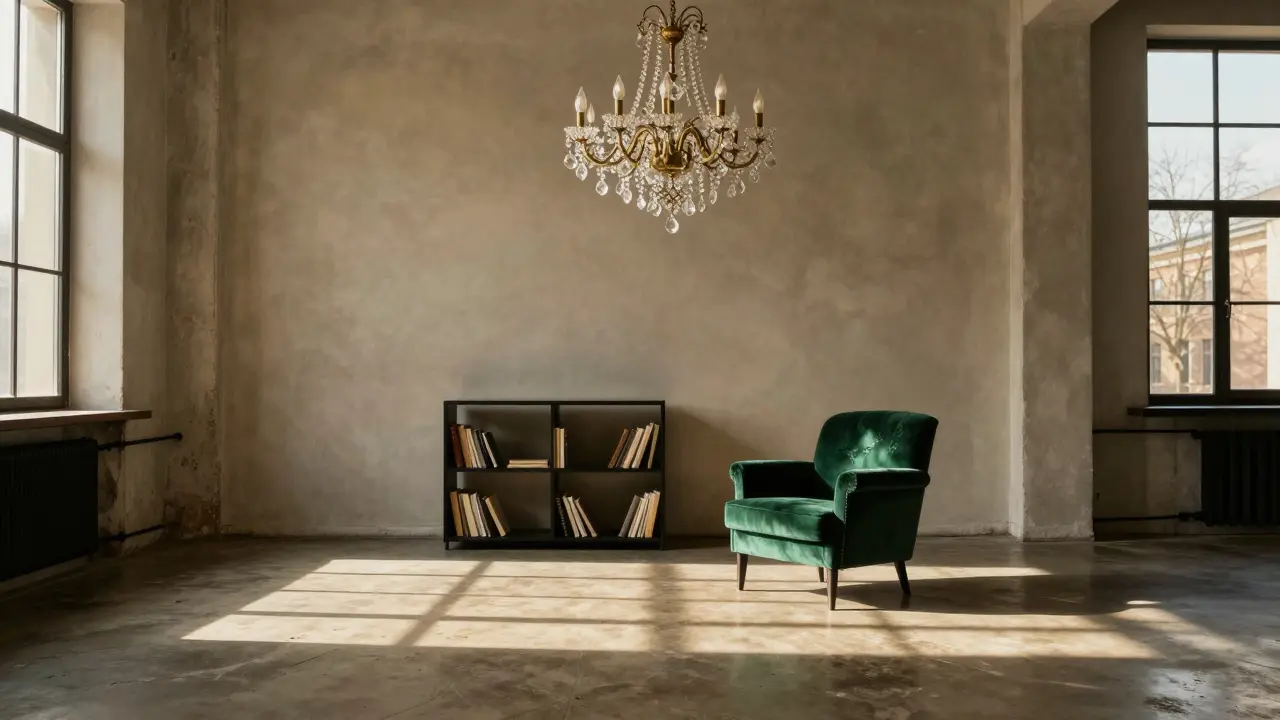
In Berlin, a designer used a single Rococo-style chandelier in her open-plan loft. The crystal drops catch the afternoon sun and cast dancing patterns on the floor. Guests ask if she restored it. She bought it for $200 at a flea market.
These aren’t rich estates. They’re ordinary homes where someone decided to let beauty matter.
The Quiet Rebellion of Rococo
Rococo was once dismissed as frivolous. Critics called it excessive. But today, it’s a quiet rebellion. In a world obsessed with efficiency, it says: Let things be soft. Let them be ornate. Let them delight you.
It’s not about luxury. It’s about humanity. Rococo was made for conversation, for quiet mornings with tea, for laughter under candlelight. Those moments haven’t disappeared. They’re just waiting for a space that lets them breathe.
Maybe your home doesn’t need a full renovation. Maybe it just needs one piece-a mirror, a chair, a lamp-that whispers, "This is a place where beauty lives."
Is Rococo style too feminine for a modern home?
No. While Rococo is often associated with pastels and curves, it’s not about gender-it’s about texture, light, and movement. Many modern men’s studies and design studios use Rococo elements: gilded frames on black-and-white photos, velvet armchairs in deep emerald, curved console tables in matte brass. The style’s emotional warmth works for everyone.
Can Rococo work in a small apartment?
Absolutely. In fact, Rococo’s light colors and reflective surfaces can make small spaces feel larger. A single mirrored wall, a delicate chandelier, or a curved bench can add depth without clutter. Avoid heavy drapes or oversized furniture. Stick to one statement piece and keep the rest simple.
What’s the difference between Rococo and Baroque?
Baroque is dramatic, bold, and symmetrical-think grand staircases and dark wood. Rococo is lighter, asymmetrical, and playful. Baroque says "power." Rococo says "pleasure." Baroque fills a room. Rococo dances around it.
Is Rococo expensive to incorporate?
Not necessarily. You can start with under $100-a vintage mirror, a set of porcelain knobs, or a single velvet pillow. High-end antiques cost more, but modern reproductions from brands like CB2, Restoration Hardware, or even Etsy artisans offer beautiful alternatives. Focus on one focal point, not a full overhaul.
Does Rococo match with other styles?
Yes. Rococo pairs beautifully with Scandinavian minimalism, industrial loft spaces, Japanese wabi-sabi, and even mid-century modern. The contrast creates depth. A Rococo mirror above a concrete wall. A velvet armchair beside a steel-framed bookshelf. These combinations feel intentional, not chaotic.