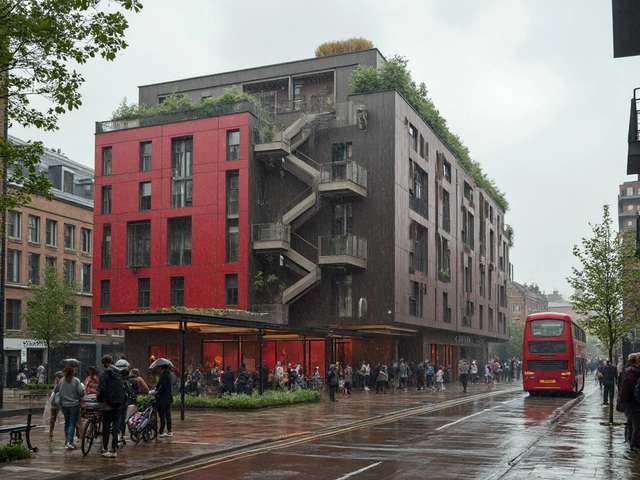
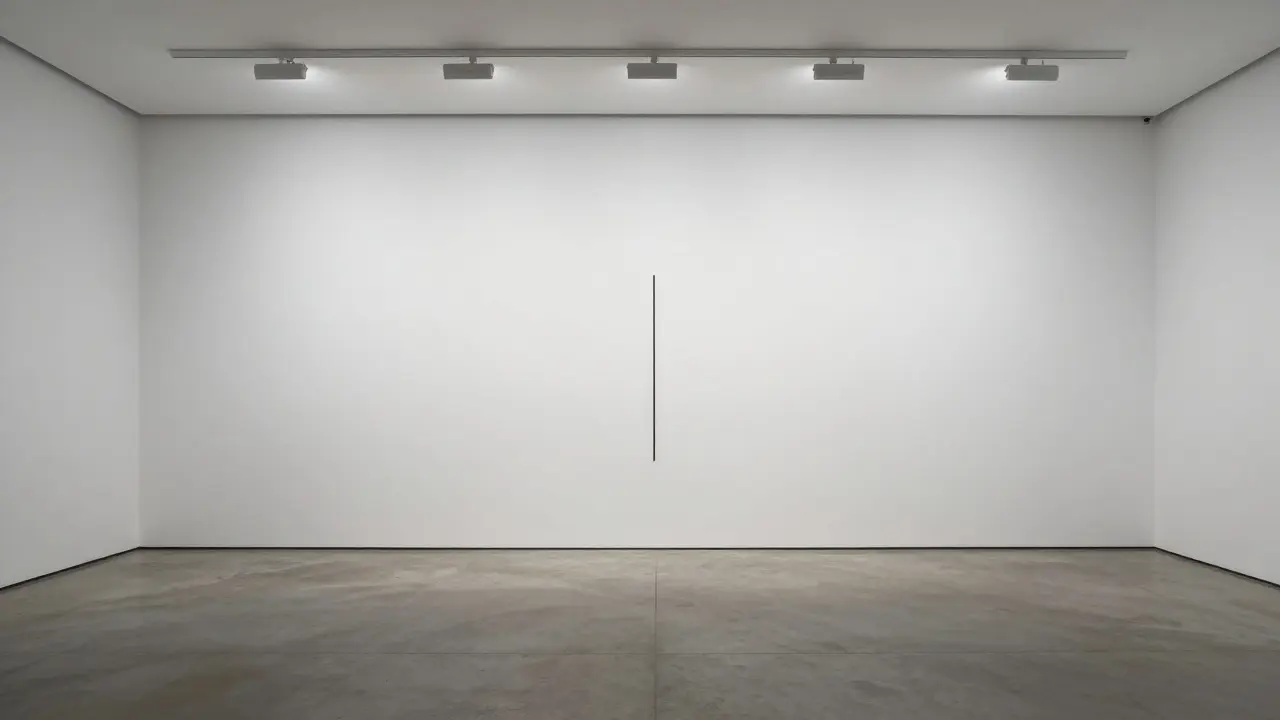
When you walk into a modern art gallery today, you might see a white cube with a single black line painted across the wall. Or a sculpture made of polished steel that reflects nothing but the ceiling lights. It feels clean. Cold. Purposeful. This isn’t random. It’s the quiet legacy of something called the international style-a design philosophy that didn’t just change buildings, but rewired how we think about art itself.
Where Did International Style Come From?
The international style didn’t start in an art studio. It started in factories, train stations, and housing blocks in the 1920s and 30s. Architects like Ludwig Mies van der Rohe, Le Corbusier, and Walter Gropius were tired of ornamentation. They saw clutter as a waste. They believed form should follow function, and materials should speak for themselves. Steel, glass, and concrete weren’t just practical-they were honest. That honesty became a new kind of beauty.
It spread fast. After World War II, the United States embraced it. The Seagram Building in New York, completed in 1958, became the poster child. Its bronze-and-glass facade had no decorations, no cornices, no statues. Just structure. Just space. And suddenly, that same language started showing up in museums, galleries, and even homes. Art didn’t need to tell stories anymore. It could just exist.
How It Changed Art
Before the international style, art was often about symbolism. A painting might show a religious scene. A sculpture might celebrate a hero. It was narrative. Emotional. Decorative.
Then came the shift. Artists began asking: What if we stripped all that away? What if a painting was just color and shape? What if a sculpture was just weight and balance?
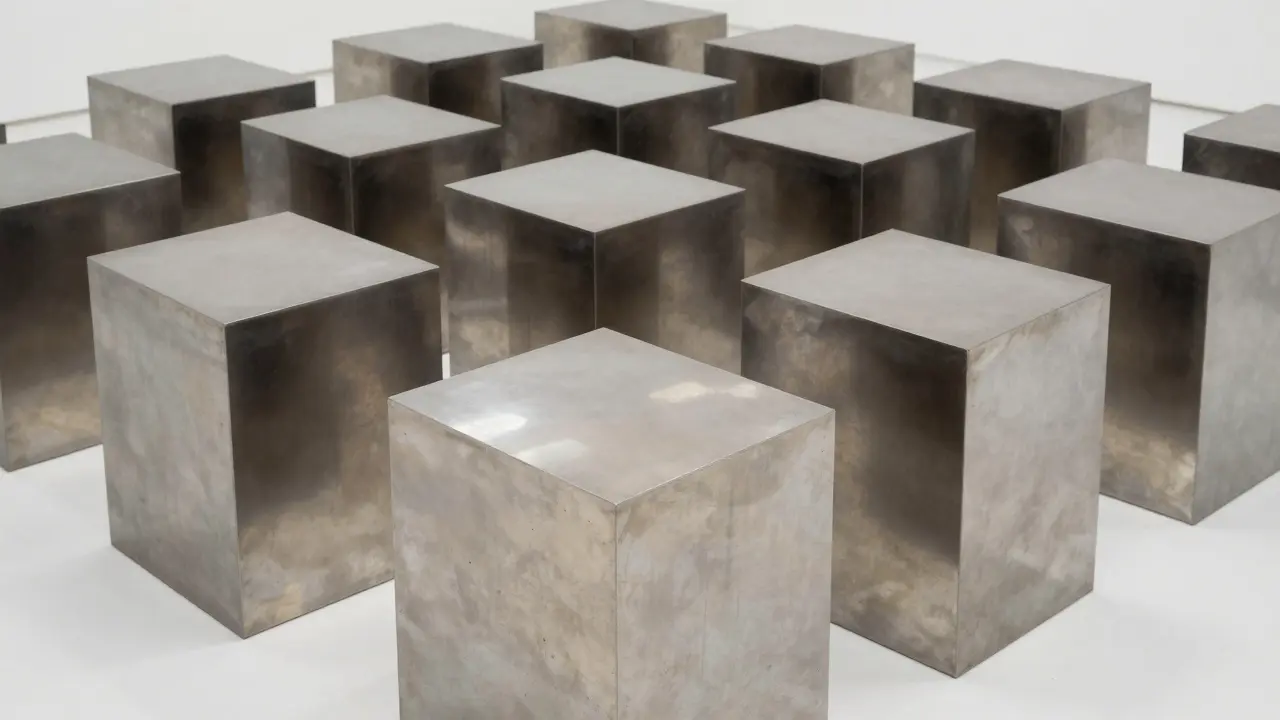
Minimalism didn’t appear overnight. It grew out of this. Artists like Donald Judd, Agnes Martin, and Robert Ryman started making work that looked like it came straight out of an architectural drawing. Judd’s stacked metal boxes? No hidden meaning. Just dimensions. Just materials. Just presence. Martin’s faint pencil lines on paper? Not landscapes. Not portraits. Just rhythm. Just repetition.
The international style didn’t dictate what art should be about. It told artists what art could be without. No myth. No drama. No ornament. Just the essential.
The White Cube and the Art World
Modern galleries didn’t just hang art-they became extensions of the international style. The white cube: bare walls, neutral lighting, open floor. No moldings. No frames. No distractions. The space itself became part of the experience.
Why? Because the international style believed context shaped perception. If you put a painting in a gilded frame in a velvet room, it becomes a treasure. Put it in a white room with spotlights? It becomes a question.
That’s why so much contemporary art looks so… empty. Not because it’s unfinished. But because it’s asking you to fill the silence. The international style didn’t kill meaning-it moved it from the object to the space between object and viewer.
Materials and Methods
The international style didn’t just change how art looked. It changed what it was made of.
Before, art was often painted with oil, carved from wood, cast in bronze. These materials carried history. Craft. Labor.
Artists influenced by the international style turned to industrial materials: aluminum, acrylic, steel, plexiglass, even fluorescent tubes. These weren’t chosen for tradition. They were chosen for precision. For neutrality. For mass production.
Take Dan Flavin’s light installations. He didn’t paint. He bought fluorescent bulbs from a hardware store and arranged them in corners. No brushstrokes. No signatures. Just electricity and geometry. That’s the international style in action: art as a system, not a hand-crafted object.
Why It Still Matters Today
You might think the international style is old news. But look around. Look at Apple’s product design. Look at the clean lines of a Tesla. Look at the minimalist interiors in modern apartments. Look at the way Instagram curates visual feeds-flat colors, empty space, sharp edges.
The international style didn’t disappear. It became the default.
Even when artists rebel against it-like when a painter slathers thick impasto across a canvas or a sculptor piles up broken furniture-they’re still reacting to it. The international style set the baseline. Everything else is a response.
It’s why contemporary art feels so polarizing. Some call it cold. Others call it pure. But it’s never accidental. Every empty wall, every geometric shape, every matte black frame? That’s the international style whispering in the background.
What It Left Behind
It wasn’t perfect. Critics called it soulless. That’s partly true. The international style didn’t care about local culture. It didn’t care about climate. It didn’t care about history. It wanted universal rules. That’s why you can walk into a museum in Tokyo, Berlin, or São Paulo and see the same kind of art. It was global. But it was also flattening.
Today, many artists are pushing back. They’re bringing in texture, color, craft, storytelling. They’re asking: What if art could be both minimal and meaningful? What if it could be clean and still carry memory?
But even in that rebellion, you see the shadow of the international style. The clean lines. The white walls. The focus on material. It’s the foundation. You can’t ignore it. You can only build on it-or push against it.
Key Figures and Their Impact
Three names keep coming up when you trace the roots of this movement:
- Ludwig Mies van der Rohe-His phrase "less is more" became the mantra. His Barcelona Pavilion (1929) was a temple of simplicity. No decoration. Just marble, glass, and steel. It became the blueprint for modern galleries.
- Le Corbusier-He called buildings "machines for living." He designed homes with open plans, flat roofs, and ribbon windows. His ideas made space itself the artwork.
- Walter Gropius-Founder of the Bauhaus school. He didn’t just teach architecture. He taught a way of seeing. Art, design, and function were one.
These weren’t just architects. They were cultural engineers. And their influence reached far beyond buildings.
International Style vs. Other Movements
It’s easy to confuse international style with other modern movements. Here’s how it differs:
| Movement | Key Features | Relation to International Style |
|---|---|---|
| International Style | White walls, open space, industrial materials, geometric forms | Originator |
| Minimalism | Reduction to essentials, repetition, neutral palette | Direct descendant |
| Abstract Expressionism | Emotional brushwork, large scale, gestural energy | Opposing force |
| Constructivism | Industrial materials, political messaging, dynamic forms | Shared materials, different intent |
| De Stijl | Primary colors, right angles, grid-based composition | Early influence |
The international style didn’t try to express emotion. It tried to remove it. That’s why it clashed with Abstract Expressionism in the 1950s. Jackson Pollock’s splattered canvases were chaos. Judd’s metal boxes were control. One screamed. The other whispered.
And that tension? It still drives contemporary art today.
Where to See It Today
If you want to feel the international style in action, visit:
- The Museum of Modern Art (MoMA) in New York-their permanent collection is full of works that follow its principles.
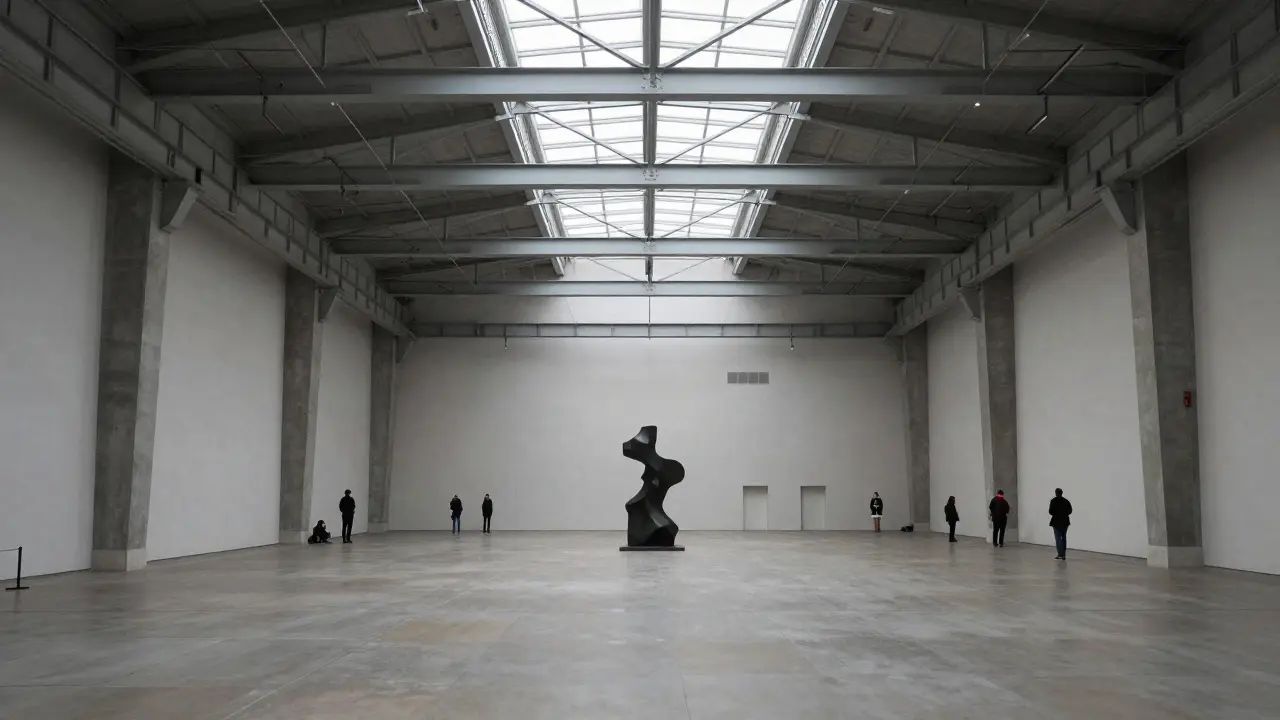
- The Tate Modern in London-the turbine hall’s vast, unadorned space is pure international style architecture.
- The Hirshhorn Museum in Washington, D.C.-its circular concrete form and minimalist galleries are textbook examples.
- Even smaller galleries in Wellington, Berlin, or Melbourne often use the white cube format because it’s the default.
You don’t need to go far. The international style is already in the room you’re in right now.
Why It’s Still the Standard
Why hasn’t something new replaced it? Because it works. It’s flexible. It’s neutral. It doesn’t compete with the art-it frames it.
Modern curators don’t choose the international style because they love 1920s Germany. They choose it because it’s reliable. It doesn’t distract. It doesn’t date. It doesn’t shout.
For an artist working today, the international style is the quiet canvas that lets their voice be heard.
Is international style the same as minimalism?
No. International style is an architectural movement that began in the 1920s, focused on functional design using steel, glass, and concrete. Minimalism in art emerged later, in the 1960s, as a reaction to abstraction. It took the clean lines and simplicity of international style and applied them to sculpture and painting. So while minimalism was influenced by international style, they’re not the same thing.
Why do modern galleries look so empty?
They’re designed that way to avoid distraction. The white cube-bare walls, neutral lighting, no ornament-lets the artwork be the only focus. This approach comes directly from the international style, which believed that form should be honest and unadorned. It’s not about lack of care-it’s about creating space for the viewer to engage directly with the art.
Did international style ignore culture and history?
Yes, that’s one of its biggest criticisms. International style aimed for universal design, ignoring local materials, climate, and traditions. It treated every building or gallery the same, whether in the Arctic or the tropics. Today, many artists and architects are correcting this by blending international style’s clarity with cultural specificity-creating work that’s both simple and rooted.
Can you still be an artist without following international style?
Absolutely. Many artists today use rich textures, vibrant colors, and layered symbolism. But even those who reject international style often do so in reaction to it. Its influence is so deep that it’s become the baseline-whether you follow it, break from it, or rewrite it.
Is international style still used in architecture today?
Yes, but with changes. Modern buildings still use glass facades and open floor plans, but now they often include sustainable materials, green roofs, and local design elements. The core idea-clarity, function, simplicity-remains. It’s just no longer blind to context.
Final Thought
The international style didn’t end art. It changed what art could be. It didn’t kill emotion-it moved it from the surface to the space between. Today’s artists don’t have to follow it. But they can’t ignore it. Because whether they’re painting with oil or installing LED lights, they’re still working in the world it built.