
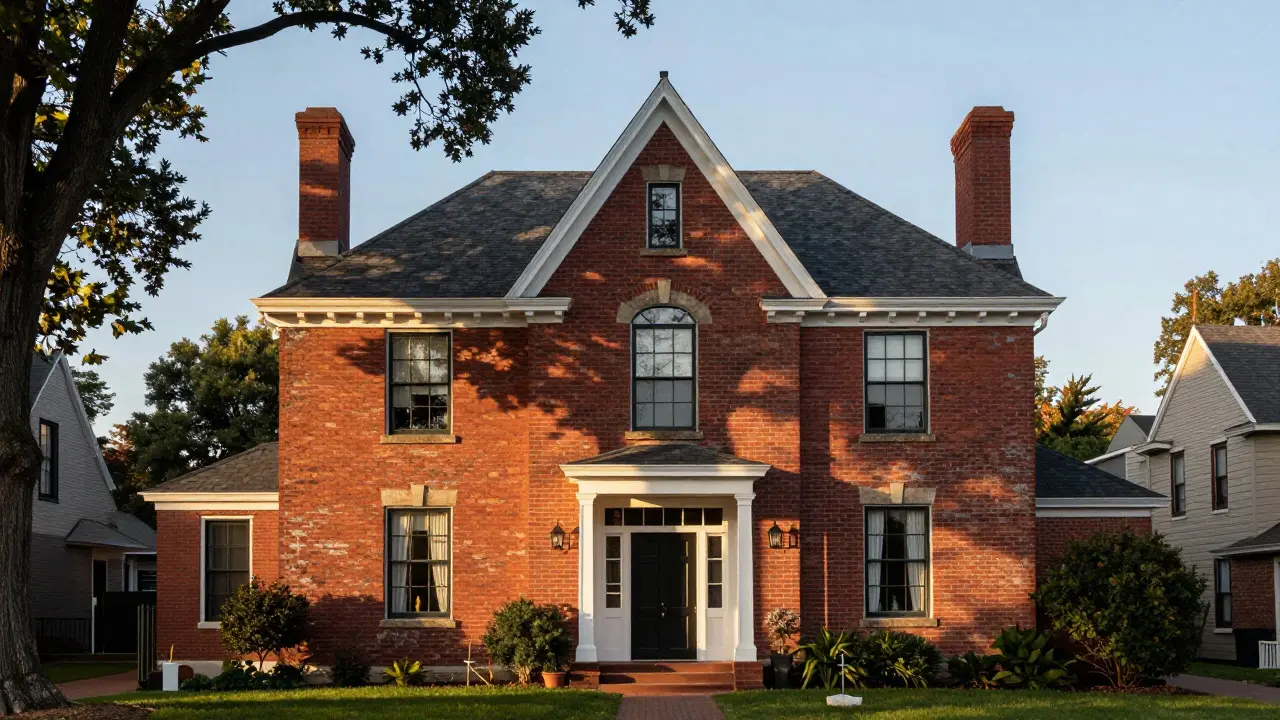
Discover the charm of Dutch Colonial Revival architecture. Learn to spot the iconic gambrel roof, distinguish it from Georgian styles, and get tips for renovation.
Author: Oliver Hamilton
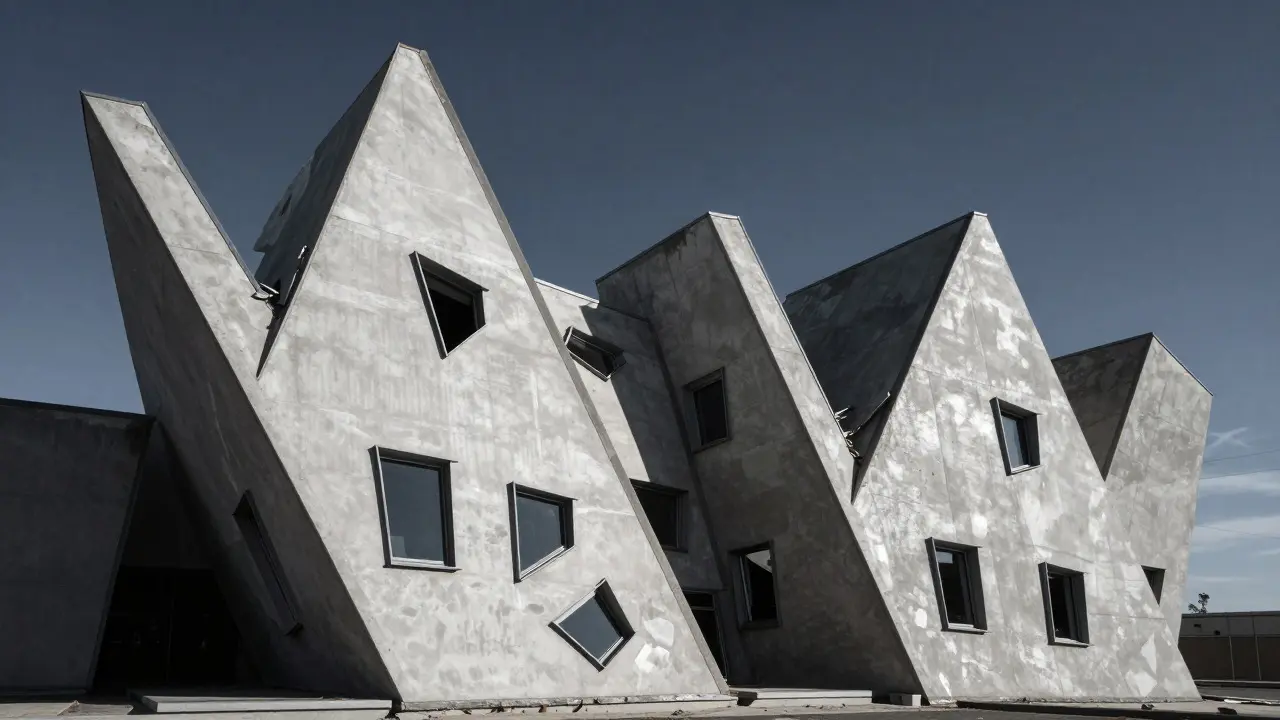
Explore the chaotic beauty of deconstructivism in architecture. Learn about key architects like Frank Gehry and Zaha Hadid, famous buildings, and the philosophy behind breaking design rules.

Explore the history of high-tech architecture from the Pompidou Center to modern smart cities. Learn how exposed structures and industrial aesthetics evolved into sustainable, responsive buildings.

Discover how to blend the playful elegance of Rococo with modern minimalism. Learn color strategies, material choices, and layout tips to create whimsical yet functional contemporary spaces.
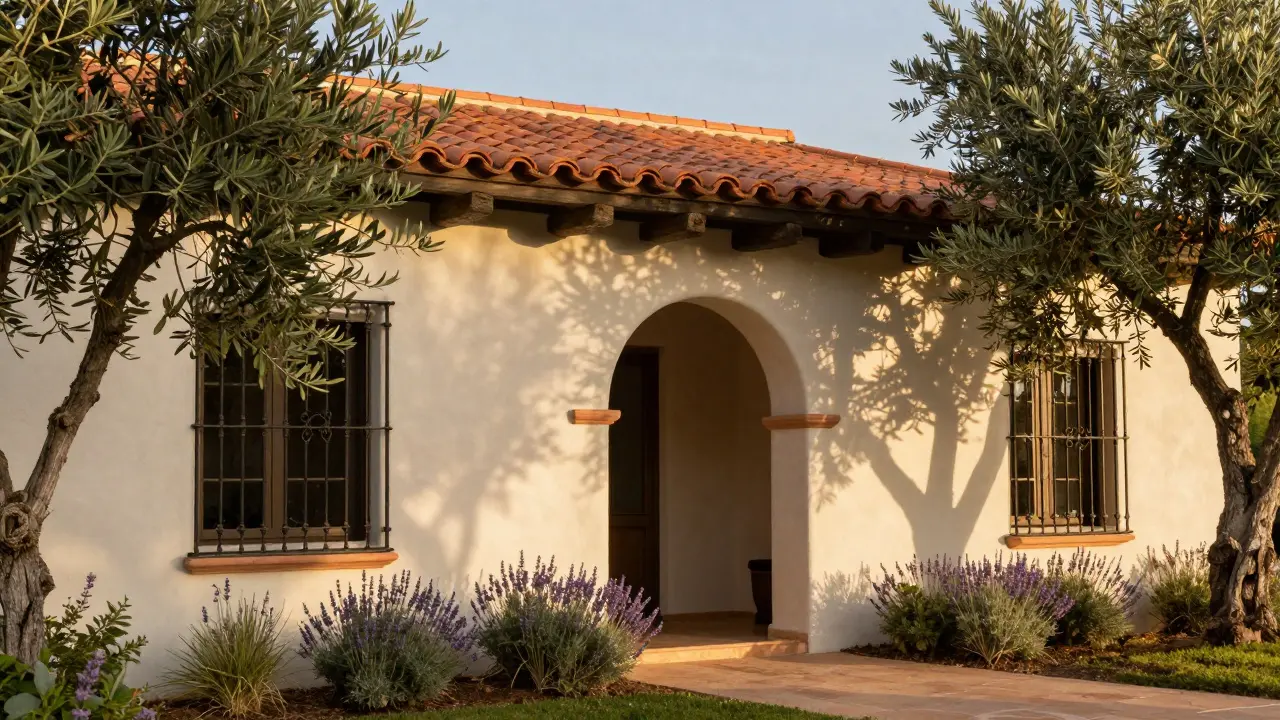
Discover the defining features, history, and design tips of Mediterranean Revival architecture. Learn how stucco, terracotta roofs, and arched openings create timeless, climate-friendly homes.
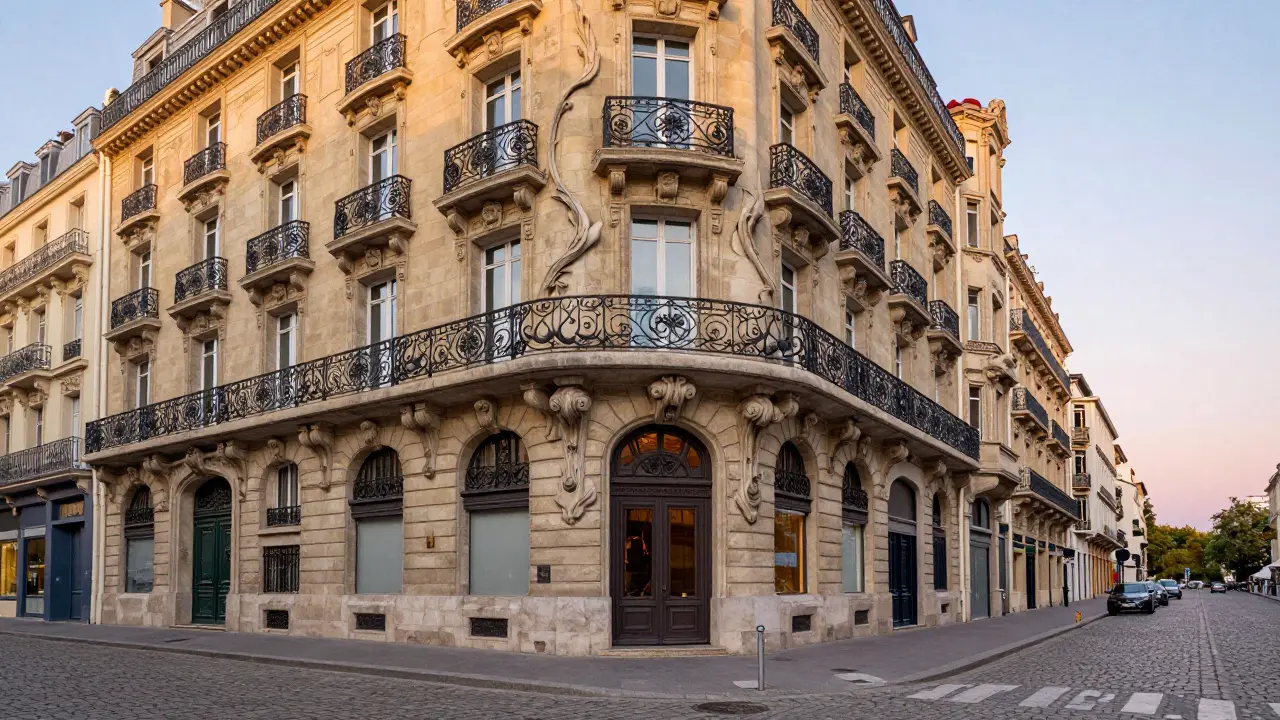
Discover the flowing lines and organic beauty of Art Nouveau architecture. Explore the works of Gaudí and Horta and the legacy of the Belle Époque.

Discover why mid-century modern design is the ultimate solution for open-plan living, focusing on low profiles, organic materials, and smart zoning techniques.
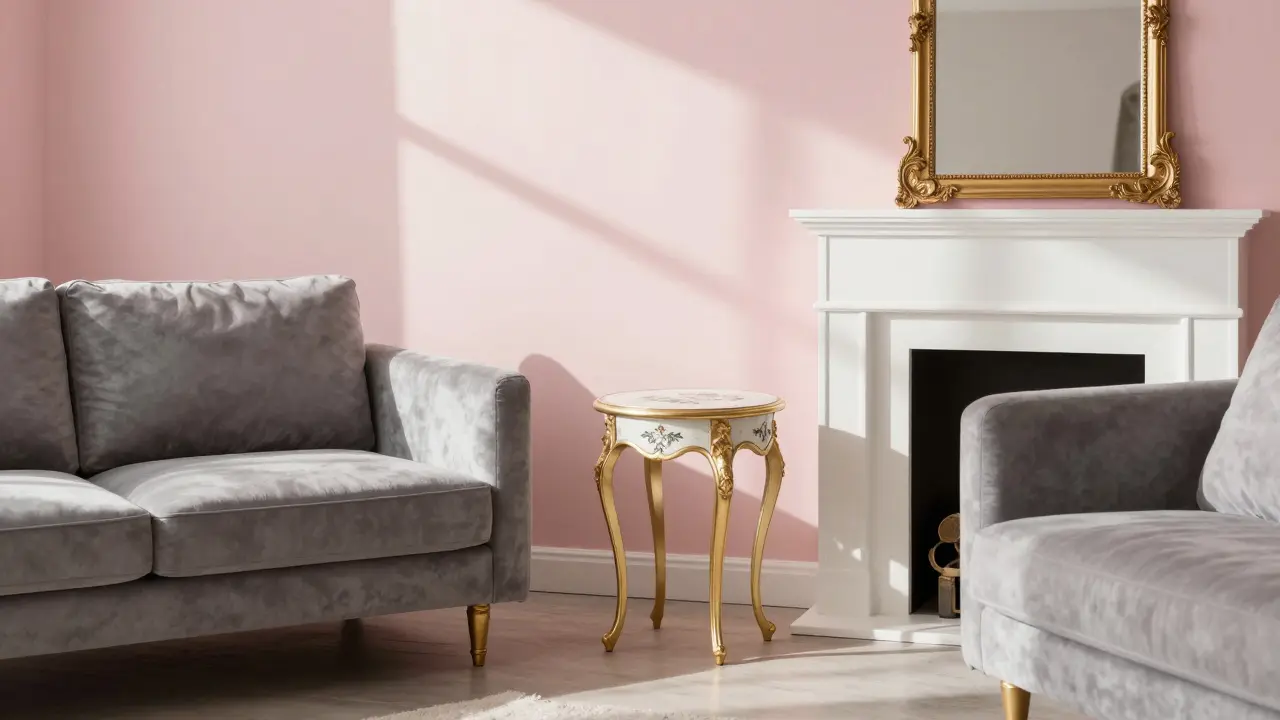
Rediscover Rococo as a living, breathing style for today’s homes-not as a museum relic, but as a warm, playful way to bring beauty into everyday spaces. Learn how to blend its curves, pastels, and details with modern design.
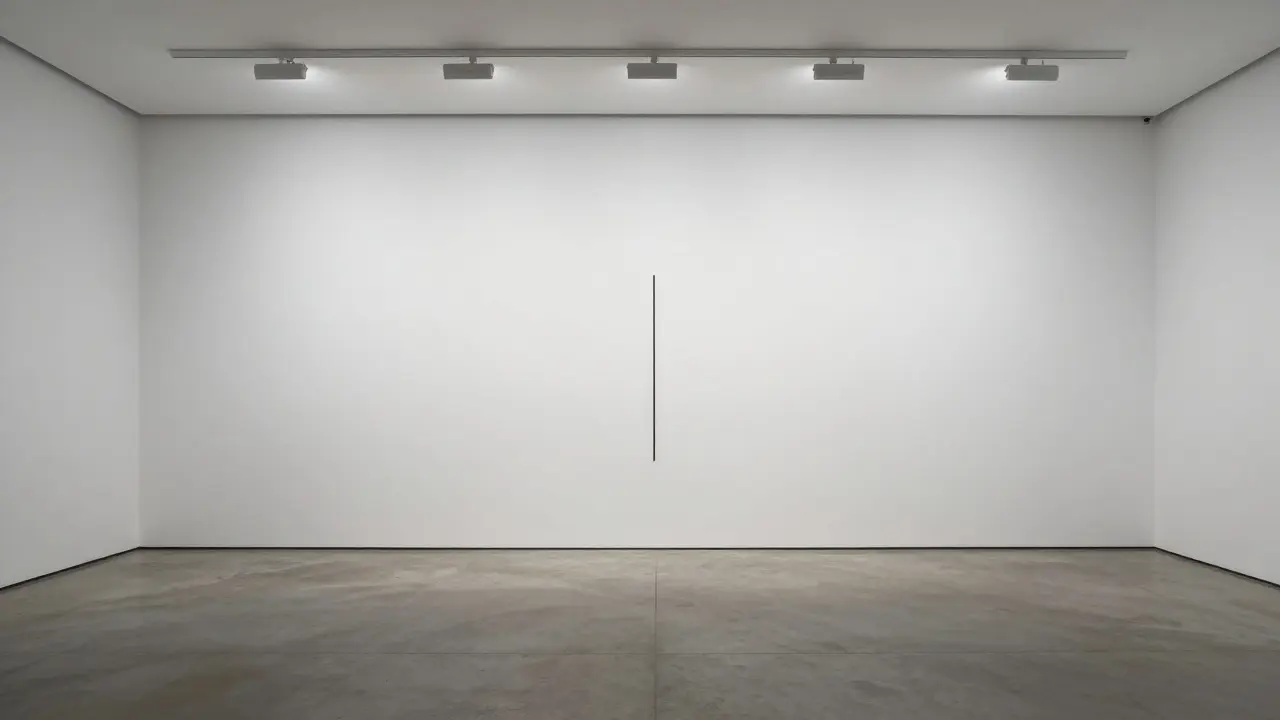
The international style reshaped contemporary art by stripping away ornament and embracing simplicity, leading to minimalism, clean galleries, and a focus on material and space. Its influence is still everywhere in modern art and design.

Functionalism explains how society holds together through shared institutions and routines. From schools to traffic lights, it shows how everyday systems keep modern life running-even when things seem chaotic.