
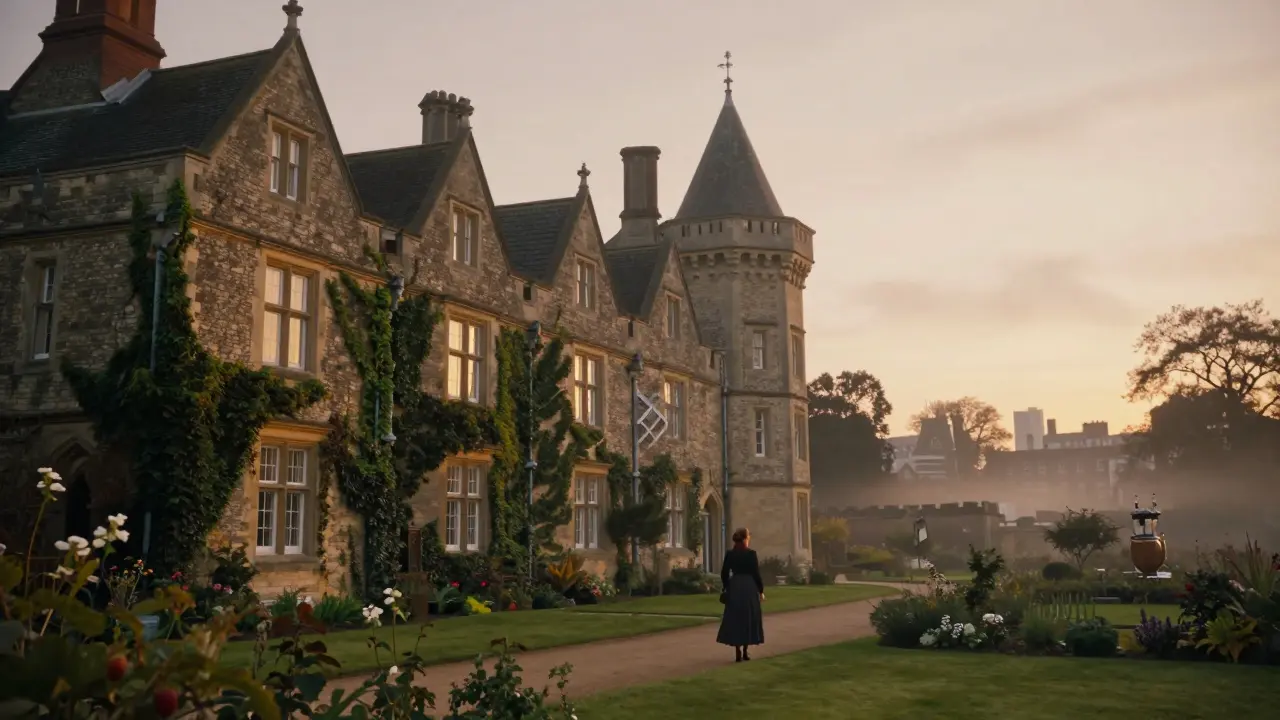
Gothic Revival architecture emerged in the 1800s as a spiritual and cultural response to industrialization, blending medieval design with modern technology. It shaped churches, universities, and government buildings across the British Empire.
Victorian Gothic Architecture: Ornament, Structure, and the Soul of 19th-Century Design
When you see a building with Victorian Gothic, a style that fused medieval Gothic elements with Victorian-era craftsmanship and industrial innovation. It’s not just old—it’s alive with meaning. Also known as Gothic Revival, it turned churches, universities, and even homes into emotional experiences, where every spire and carving had a purpose. This wasn’t just about looking old. It was a reaction to the cold, machine-made world of the Industrial Revolution. People wanted soul, history, and handcrafted beauty. And they got it—in stone, wood, and glass.
Gothic architecture, the original medieval style that inspired Victorian Gothic. Also known as pointed arch style, it gave us flying buttresses, ribbed vaults, and towering windows that let light pour in like stained glass hymns. Victorian architects didn’t copy it—they improved it. They used new materials like cast iron and mass-produced tiles to make structures taller, more detailed, and more colorful. The result? Buildings that felt both ancient and modern at the same time.
Stained glass, a defining feature of Victorian Gothic interiors and facades. Also known as colored window art, it wasn’t just decoration—it told stories, guided prayer, and turned sunlight into sacred color. In churches, you’d see biblical scenes. In libraries and town halls, you’d find floral patterns or local heroes. Every pane was custom. No two were alike. And that’s what made Victorian Gothic different from earlier Gothic—it wasn’t just about scale. It was about detail, symbolism, and personal expression.
Victorian Gothic didn’t just show up in cathedrals. It shaped schools, train stations, and even police stations. You could find it in London, New York, Melbourne, and Toronto. It wasn’t just a style. It was a belief—that buildings should move you, not just shelter you. It brought back craftsmanship in a time of mass production. It made the ordinary feel extraordinary.
What you’ll find in the posts below isn’t just a list of buildings. It’s a collection of moments where stone, light, and human hands came together to create something lasting. You’ll see how pointed arches weren’t just structural—they were statements. How ornate carvings weren’t just decoration—they were identity. And how a single window could change the way an entire room felt. These aren’t relics. They’re lessons in how design can carry emotion, history, and meaning—and still feel alive today.
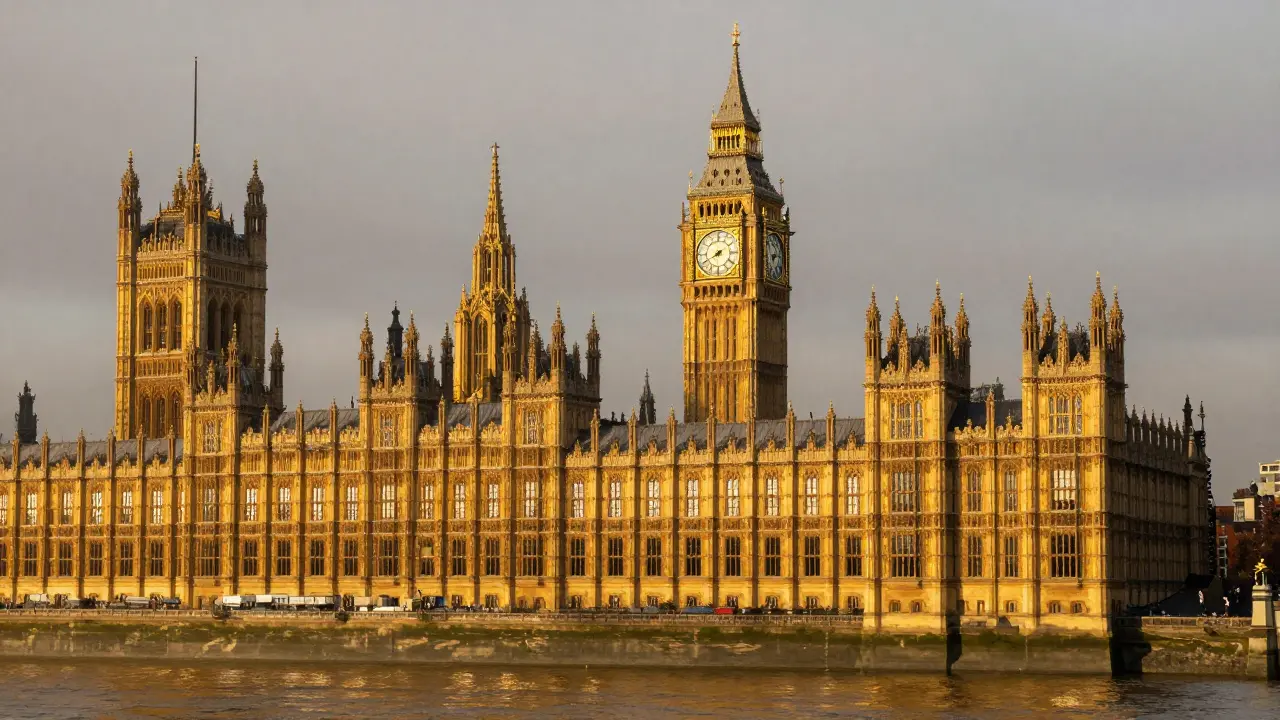
Explore 10 iconic Gothic Revival buildings from London to Sydney, including Parliament, Notre-Dame, and St. Patrick’s Cathedral. Learn how this 19th-century movement reshaped architecture with pointed arches, stained glass, and spiritual grandeur.
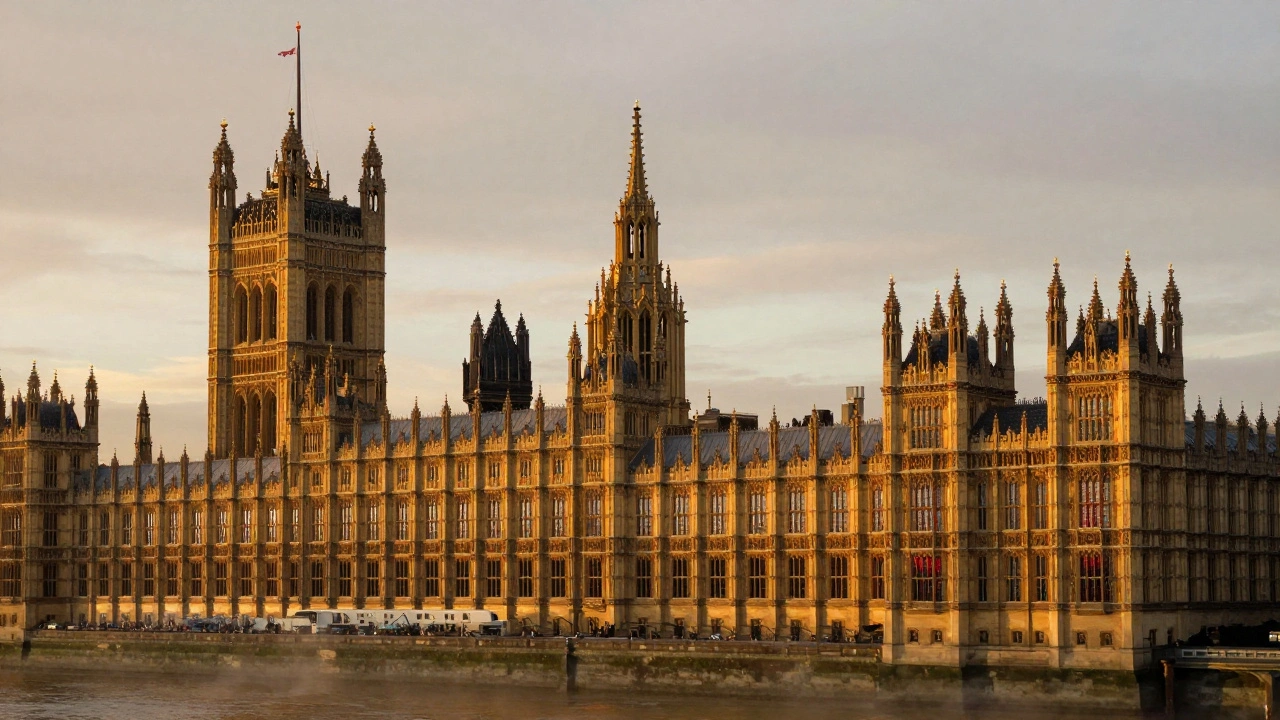
Gothic Revival architecture shaped national identity in the 19th century through churches, universities, and government buildings. Its enduring presence in cities worldwide reflects a deeper cultural belief in craftsmanship, permanence, and meaning in design.