
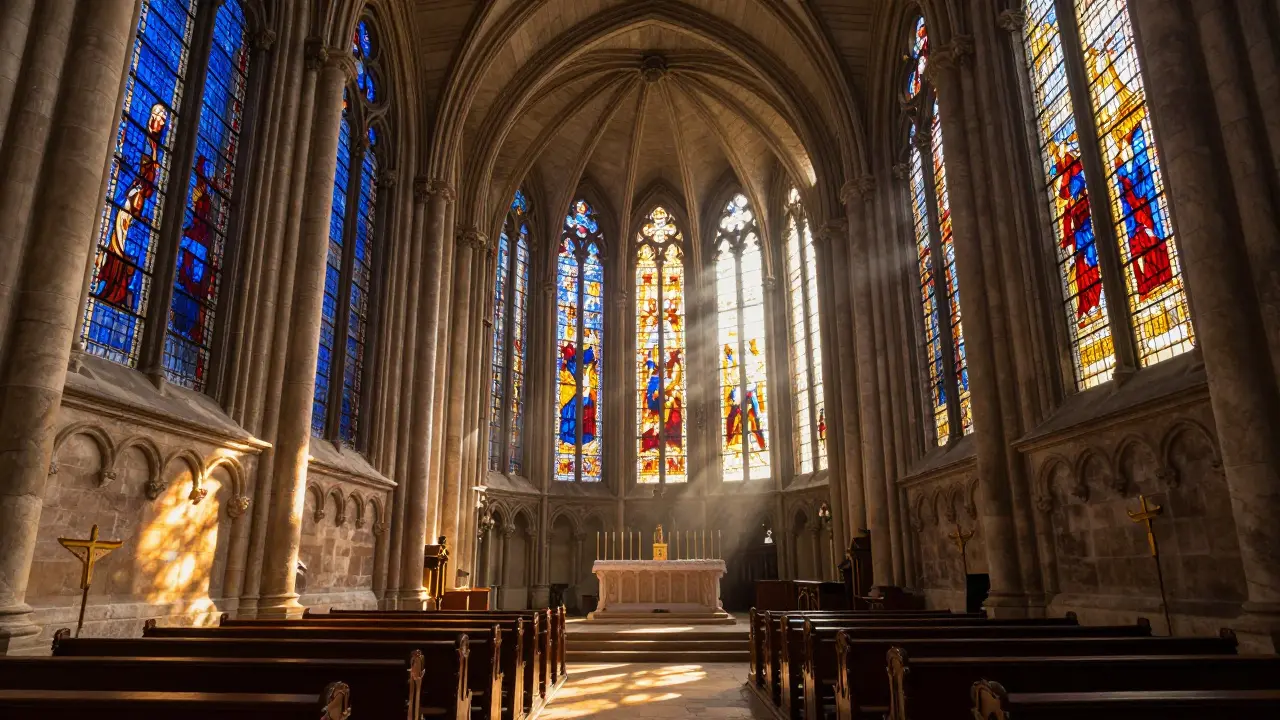
Gothic architecture transformed medieval Europe with soaring cathedrals, stained glass, and flying buttresses - turning stone into light and belief into structure. These buildings weren’t just places of worship - they were feats of human courage.
Flying Buttresses: The Engineering Marvel Behind Gothic Architecture
When you think of medieval cathedrals, you picture towering spires, stained glass, and those strange stone arms reaching out from the walls—those are flying buttresses, external arched supports that transfer the weight of a roof or dome away from walls to external piers. Also known as arched buttresses, they weren’t just decoration—they were the secret that let builders push buildings higher than ever before. Before flying buttresses, thick walls were needed to hold up heavy stone roofs. That meant small windows and dark interiors. But with flying buttresses, the load shifted outward. Walls could be thinner, windows bigger, and light flooded in. This wasn’t just a style change—it was a structural revolution.
The system worked with two other key parts: the rib vault, a framework of arched ribs that supported the ceiling and directed weight downward, and the stone construction, the precise cutting and stacking of limestone or sandstone blocks that made these massive structures possible. Together, they turned cathedrals into vertical poems of stone and light. You can see this in Notre-Dame, Chartres, and Salisbury—each one using flying buttresses to defy gravity and inspire awe. These weren’t built by accident. They came from centuries of trial, error, and innovation in medieval workshops.
What’s surprising is how little changed after they were perfected. For over 300 years, builders kept using the same basic design. Even today, restoration teams study these ancient supports to understand how to fix crumbling stone without losing their original strength. You don’t need to be an architect to appreciate them—you just need to look up. When you see those stone arms stretching across the sky, you’re seeing medieval engineers solving a problem no one thought possible. And that’s why they still matter.
Below, you’ll find articles that explore how flying buttresses fit into larger movements like Gothic Revival, what they reveal about medieval society, and how their principles still echo in modern design. No fluff. Just real insights from buildings that still stand after 700 years.
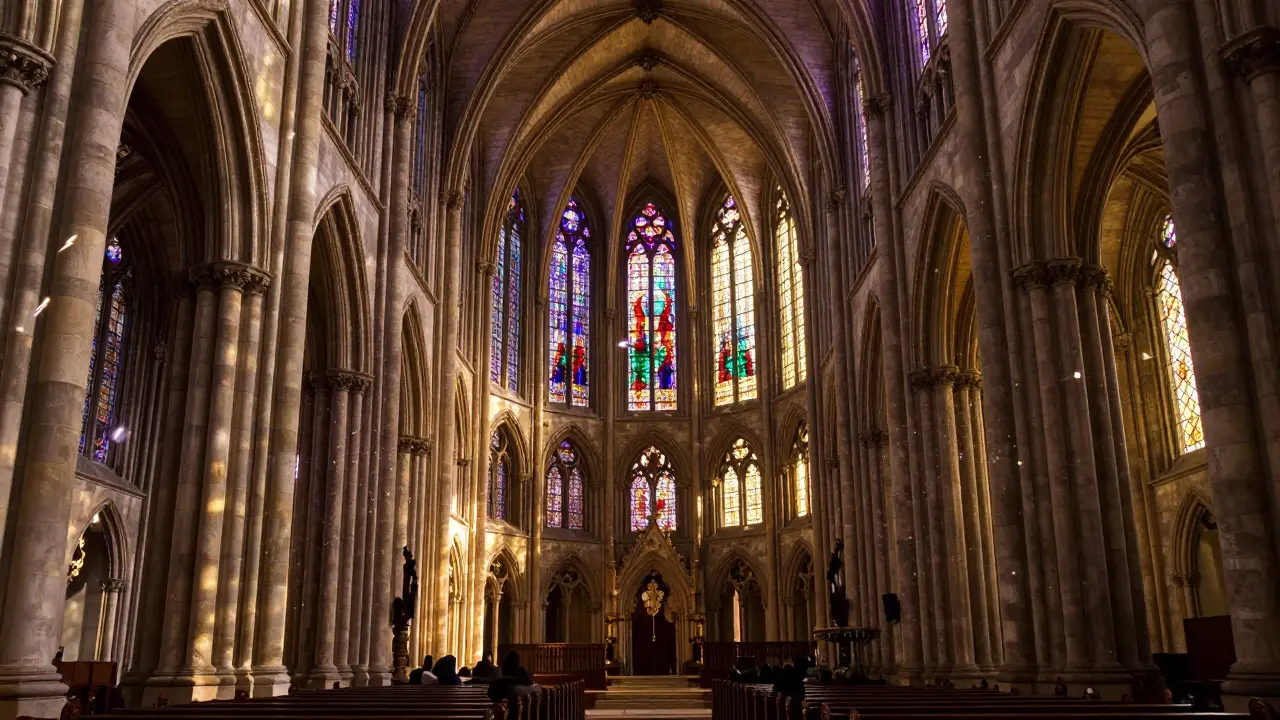
Discover the awe-inspiring world of gothic architecture through its soaring cathedrals, stained glass, and flying buttresses. A traveler's guide to Europe’s most breathtaking medieval masterpieces.
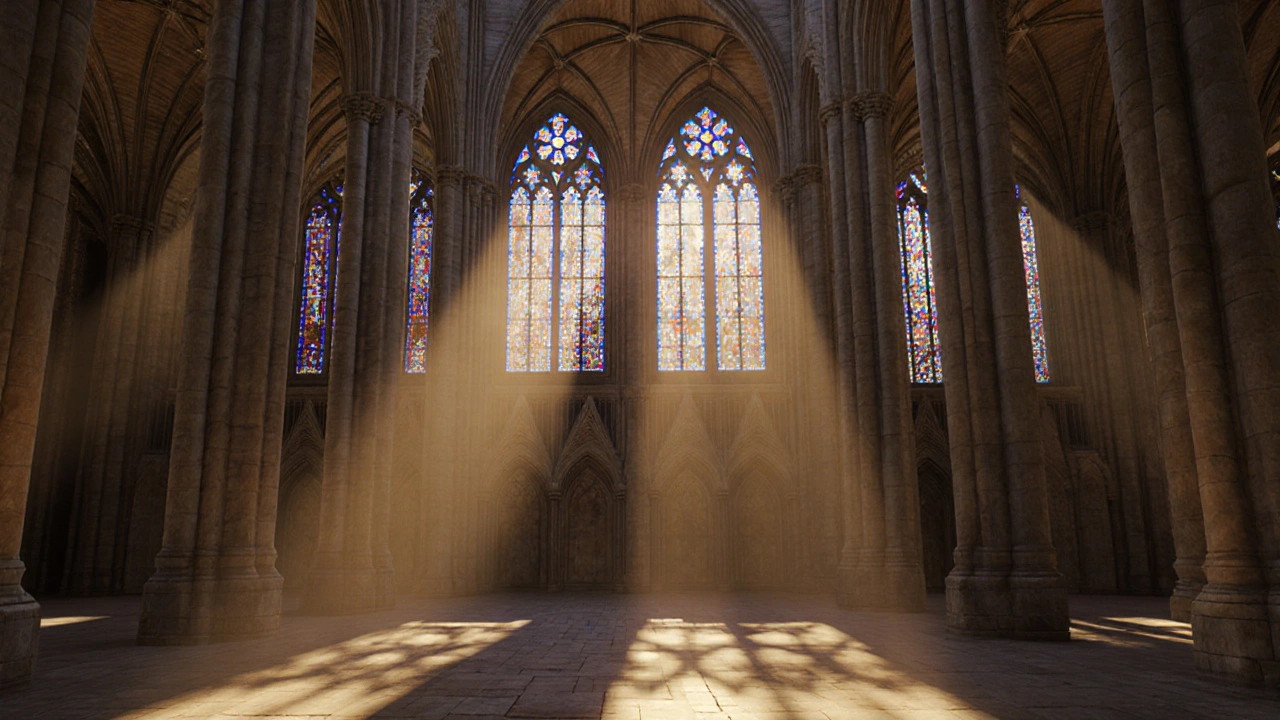
Gothic architecture isn't just beautiful-it's brilliant engineering. Discover how pointed arches, flying buttresses, and ribbed vaults defied gravity and turned stone into light-filled cathedrals that still stand today.