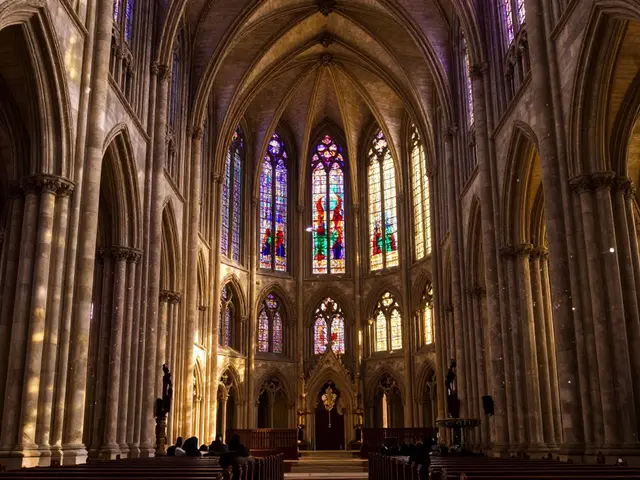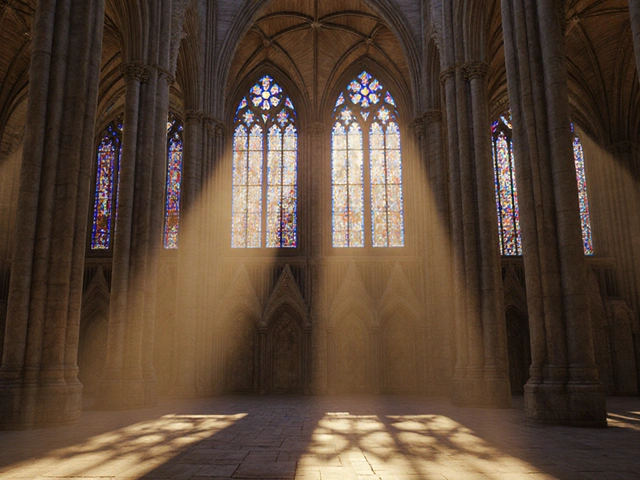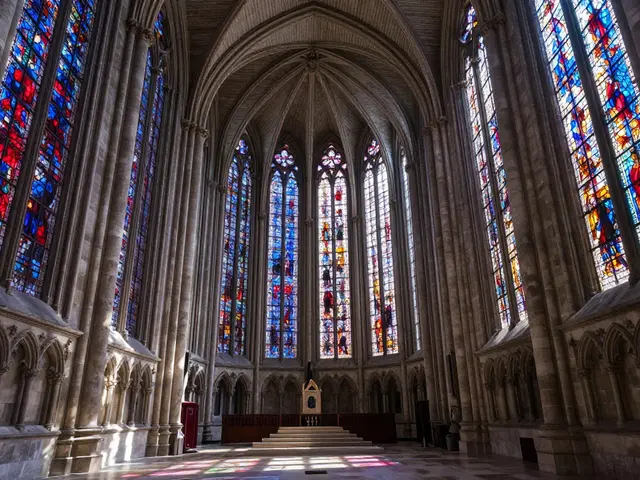
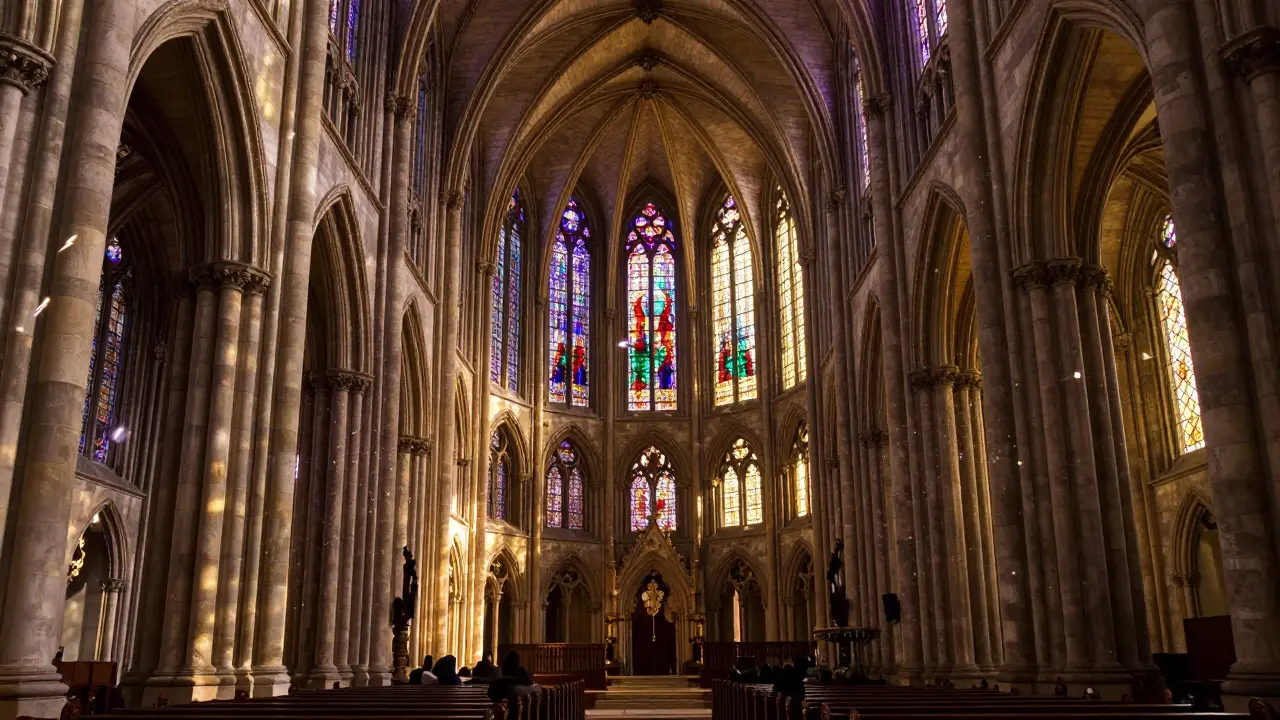
When you walk into a gothic cathedral, something shifts. The air feels heavier, quieter, like the stones themselves are holding their breath. Tall pointed arches stretch above you, ribs of stone climbing like frozen lightning. Sunlight pours through stained glass, painting the floor in royal purples, deep reds, and emerald greens. You’re not just looking at a building-you’re standing inside a story carved in stone, meant to make you feel small, humbled, and awestruck. This isn’t just old architecture. It’s the most ambitious, emotional, and technically daring building style ever created-and it’s still standing in cities across Europe, waiting for you to see it.
What Makes Gothic Architecture Different?
Gothic architecture didn’t just change how buildings looked-it changed how they were built. Before the 12th century, churches were thick-walled, dim, and heavy. Romanesque buildings relied on massive pillars and small windows. Then came the gothic revolution: engineers figured out how to push weight outward instead of down. That’s the secret behind the soaring ceilings and giant windows.
The key innovations were simple but brilliant:
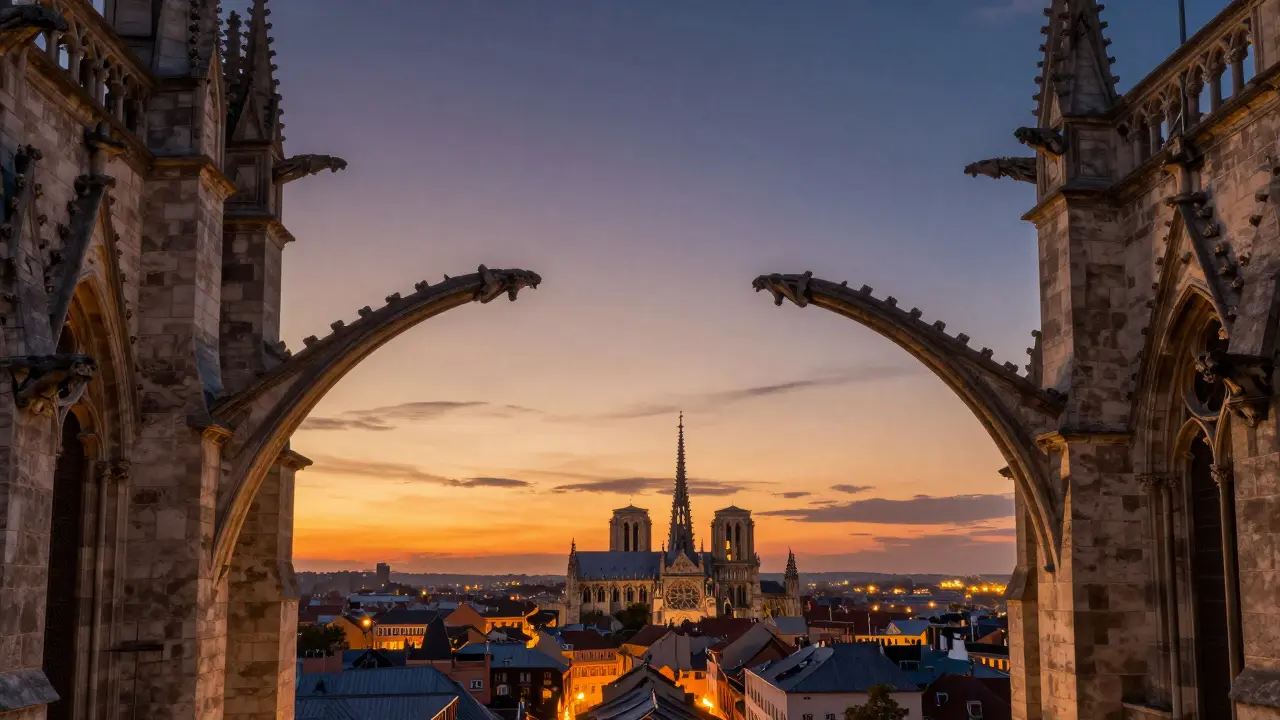
- Flying buttresses - stone arms that lean against the walls, carrying the roof’s weight away from the building’s center. They look like skeletal braces, but they’re what let walls become glass.
- Pointed arches - unlike rounded Roman arches, these direct force more efficiently, allowing taller, thinner walls.
- Ribbed vaults - intersecting stone ribs that form a framework for the ceiling, reducing the amount of material needed and making the space feel lighter.
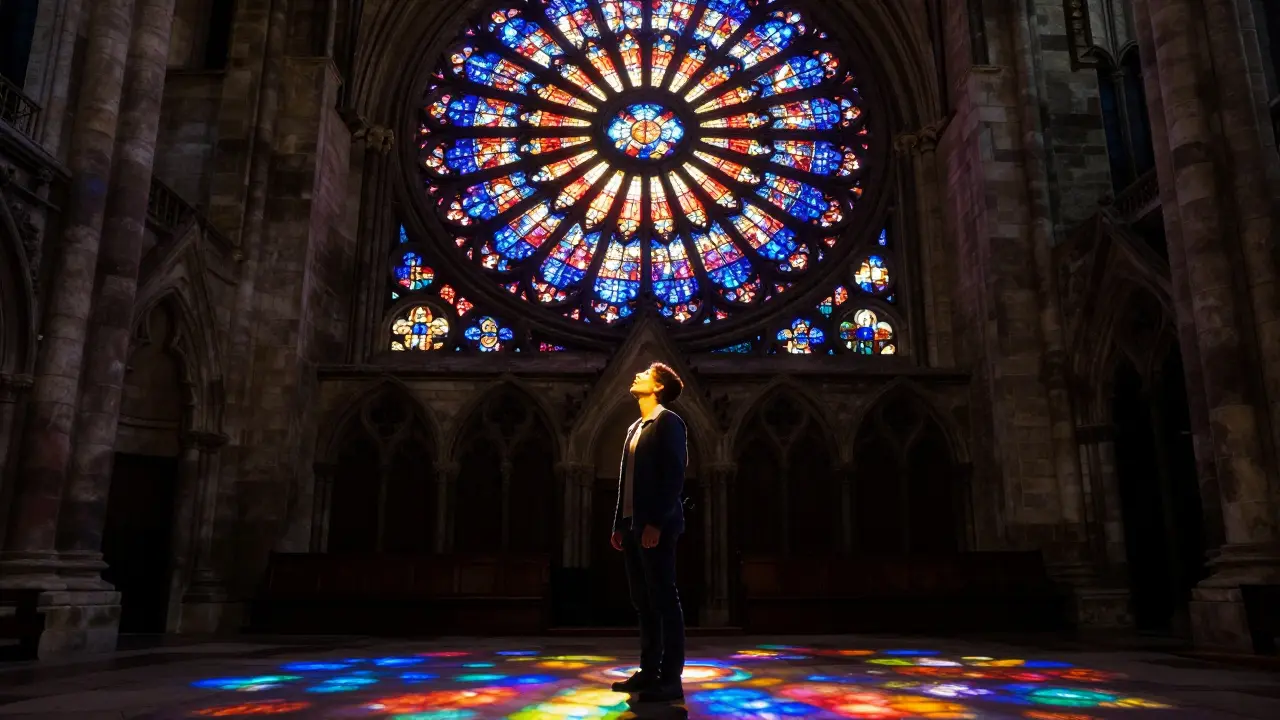
- Stained glass windows - not just decoration. These were the Bibles of the poor. Scenes from the Bible told stories to people who couldn’t read.
Put together, these elements created buildings that seemed to defy gravity. The Notre-Dame in Paris, for example, rises 35 meters high inside-without a single interior column blocking your view. That was impossible before gothic design.
Where to Find the Best Gothic Buildings in Europe
You don’t need to visit every country to see gothic architecture at its peak. A few key cities hold the most powerful examples:
- Paris, France - Notre-Dame Cathedral is the poster child. Even after the 2019 fire, the structure remains intact. The rose windows alone are worth the trip-each one is 10 meters across, made of thousands of hand-cut glass pieces.
- Chartres, France - The Chartres Cathedral has the most complete collection of original 13th-century stained glass in the world. Walk inside on a sunny day, and you’ll feel like you’re standing inside a jewel box.
- Canterbury, England - Canterbury Cathedral blends gothic with earlier Norman styles. The Trinity Chapel, built to house the shrine of Thomas Becket, is a masterpiece of light and shadow.
- Seville, Spain - The Seville Cathedral is the largest gothic church in the world. Its Giralda tower, originally a minaret, was converted into a bell tower. Climb it for a view of the entire city.
- Prague, Czech Republic - St. Vitus Cathedral sits inside Prague Castle. The interior glows with golden mosaics and intricate stone tracery. The Chapel of St. Wenceslas is covered in semi-precious stones-each one placed by hand.
- Colonia, Germany - Cologne Cathedral took over 600 years to finish. Its twin spires reach 157 meters, making it the tallest twin-spired church in the world. The west facade alone has over 200 statues.
These aren’t museums. They’re still active places of worship, concerts, and community gatherings. You might hear a choir singing during vespers, or see locals lighting candles for loved ones. Respect that. Sit quietly for a few minutes. Let the space speak to you.
How to Spot Gothic Details (Even If You’re Not an Architect)
You don’t need a degree to appreciate gothic design. Here’s how to notice the clues:
- Look up - Do the ceilings have ribs? Are the arches pointed? That’s gothic. Rounded arches mean Romanesque or earlier.
- Check the windows - Are they tall, narrow, and filled with colored glass? Do they have stone tracery that looks like lace? That’s gothic. Small, round windows mean medieval but not gothic.
- Walk around the outside - Do you see stone arms sticking out from the walls? Those are flying buttresses. They’re the signature of gothic engineering.
- Look for gargoyles - Not just decoration. They were functional drains. Water ran through their mouths to keep the walls dry. The weirder the face, the better.
- Notice the scale - Gothic buildings were designed to overwhelm. If the church makes you feel tiny, you’re in the right place.
Many cathedrals have audio guides or QR codes near entrances. Scan them. You’ll hear stories about the stonemasons, the glassmakers, the bishops who funded it all. The real magic isn’t in the stone-it’s in the people who made it.
Why Gothic Architecture Still Matters Today
People think gothic is just about religion. It’s not. It’s about ambition. In the 12th century, cities didn’t have skyscrapers, airports, or electric lights. But they had stone, labor, and a belief that they could reach toward heaven. The builders didn’t have computers or cranes. They used ropes, pulleys, and sheer will.
Today, we build taller buildings. But we rarely build with the same soul. Gothic architecture was made to inspire awe, not efficiency. It was designed to make people feel something deeper than comfort. That’s why modern architects still study it. The techniques are outdated, but the intention isn’t.
Look at the Burj Khalifa. It’s impressive. But does it make you cry? Does it make you feel like you’ve stepped into another world? Gothic cathedrals still do that. They’re not relics. They’re emotional landmarks.
What to Bring When Visiting Gothic Sites
These buildings are old, big, and often crowded. Be ready:
- Comfortable shoes - You’ll walk miles on uneven stone floors. No flip-flops.
- A light jacket - Cathedrals are cold. Even in summer. Stone holds the chill.
- A small notebook or phone - Write down what moves you. You’ll forget the details later.
- A camera with manual settings - The light inside changes every hour. Auto mode won’t capture the glow of stained glass.
- Patience - Lines form at popular sites. Arrive early. Or come late. The quiet hours after sunset are when these places feel most alive.
Don’t rush. Sit on a bench. Watch how the light moves across the floor. Listen to the echo of footsteps. Notice how the shadows shift as the sun moves. That’s the real experience.
Common Myths About Gothic Architecture
There’s a lot of misinformation out there. Let’s clear a few up:
- Myth: Gothic architecture was dark and gloomy. - False. The whole point was to flood the space with light. Stained glass turned sunlight into divine color.
- Myth: Gargoyles were meant to scare people. - Some were, yes. But most were practical. They channeled rainwater away from the walls. The scary faces were just medieval humor.
- Myth: All gothic buildings are churches. - Most are, but not all. Town halls, universities, and even castles used gothic style. The Palais de la Cité in Paris was a royal palace.
- Myth: Gothic was invented by the French. - It started in France, but spread fast. Germany, Spain, England, and Italy each added their own twist. English gothic has longer naves. Spanish gothic is more ornate. Italian gothic kept round arches in places.
These myths make people think gothic is just about spooky castles and horror movies. It’s not. It’s about human ingenuity, faith, and the desire to build something that lasts.
How to Plan Your Gothic Architecture Trip
Here’s a simple plan for a two-week trip:
- Start in Paris - Spend 3 days on Notre-Dame, Sainte-Chapelle, and the Latin Quarter’s hidden gothic chapels.
- Take the train to Chartres - One day. Arrive by 10 a.m. to catch the morning light through the windows.
- Head to Canterbury - 2 days. Walk the Pilgrim’s Way and visit the cloisters.
- Travel to Colonia - 2 days. Climb the cathedral tower at dusk. The city lights below make the spires look like they’re floating.
- Finish in Prague - 3 days. Visit St. Vitus, then walk across Charles Bridge at sunrise. The statues are quieter then.
Book accommodations early. Many of these towns are small. Hotels fill up fast. Stay in a guesthouse near the cathedral. You’ll hear the bells at 6 a.m. and the choir at 7 p.m. That’s when you’ll understand why people built these places.
What Comes After Gothic?
Gothic architecture didn’t just disappear. It evolved. By the 16th century, Renaissance architects wanted symmetry, proportion, and classical columns. Gothic was seen as messy, wild, even barbaric. But in the 1800s, people rediscovered it. The Victorian era brought a gothic revival-think Big Ben, the Houses of Parliament, and the Cathedral of St. John the Divine in New York.
Today, you’ll find gothic-inspired buildings everywhere: universities, libraries, even modern hotels. The style never really left. It just went underground. And now, more travelers than ever are seeking it out-not just for history, but for feeling.
Is Gothic architecture only found in Europe?
Most iconic examples are in Europe, but gothic style spread globally during colonial times. You’ll find gothic-style churches in the Americas, Asia, and Australia-often built by European missionaries or settlers. The Cathedral of St. Mary in San Francisco and St. Patrick’s Cathedral in New York are both 19th-century gothic revivals. They’re not medieval, but they follow the same rules: pointed arches, ribbed vaults, and stained glass.
Can you visit gothic cathedrals for free?
Many cathedrals allow free entry to the main nave, especially if you’re there for prayer or quiet reflection. But if you want to climb towers, visit chapels, or see special exhibitions, you’ll usually pay. Chartres Cathedral charges for the treasury and crypt. Cologne Cathedral charges for the tower climb. Always check the official website before you go. Some offer free entry on certain days or for students.
Are gothic cathedrals still used for worship?
Yes. Most are still active churches. Services, weddings, and baptisms happen regularly. In fact, many travelers say the most powerful moments come when they attend a choir service or evening prayer. The acoustics are unmatched. The lighting is natural. And the silence between hymns feels sacred. Just be respectful: no loud talking, no flash photography during services, and dress modestly.
Why do some gothic buildings look unfinished?
Many were never completed due to war, lack of funds, or changing priorities. Cologne Cathedral took over 600 years to finish. The Basilica of the Sagrada Família in Barcelona is still under construction today-started in 1882 and expected to finish around 2026. That’s not a failure. It’s a testament to how long these projects were meant to last. They weren’t built for one generation. They were built for centuries.
What’s the difference between gothic and medieval architecture?
"Medieval" is a broad time period-from the 5th to the 15th century. Gothic is a style that emerged in the 12th century. So all gothic architecture is medieval, but not all medieval architecture is gothic. Earlier medieval buildings, like Romanesque churches, had thick walls, small windows, and rounded arches. Gothic broke those rules. It was the first time medieval builders truly reached for the sky.