Think Tudor architecture is just about crooked wooden beams and steep roofs in English countryside cottages? Think again. The style that dominated England from the 15th to early 17th century isn’t stuck in the past-it’s being reborn in surprising ways across cities and suburbs, from Perth to Portland. Modern builders aren’t just copying old houses. They’re taking the soul of Tudor design and rebuilding it for today’s lives: energy efficiency, open layouts, and minimalist aesthetics. This isn’t nostalgia. It’s evolution.
The DNA of Tudor Architecture
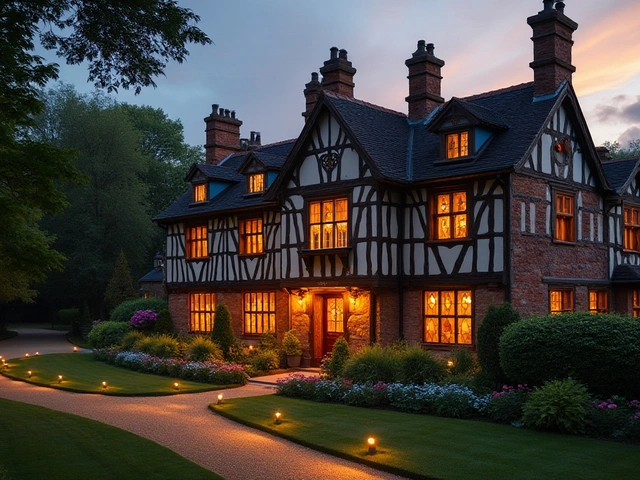
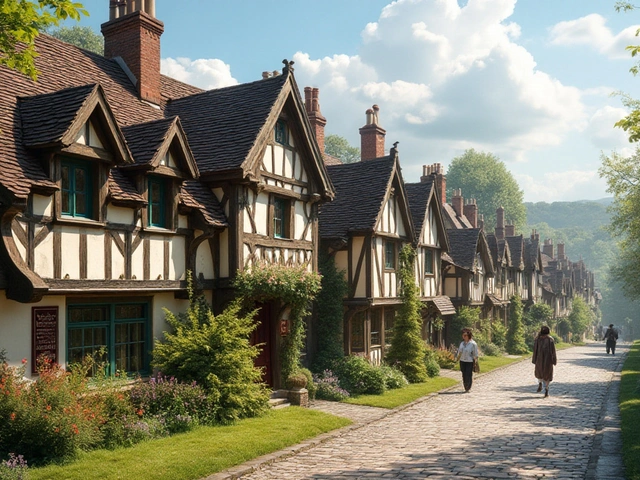
What made Tudor homes stand out wasn’t just their looks-it was how they were built. Thick timber frames, filled with wattle and daub, gave them strength. The signature black-and-white half-timbering wasn’t decorative-it was structural. Roofs sloped sharply to shed rain and snow. Tall, narrow windows with small panes let in light without compromising wall integrity. Fireplaces were massive, often the only source of heat. These weren’t just pretty facades; they were solutions to real problems of their time.
Modern versions keep those bones but swap out the weaknesses. Old Tudor homes had poor insulation, drafty windows, and tiny rooms. Today’s reinterpretations use double-glazed, low-E glass that mimics the look of small panes but performs like modern windows. Timber frames are now steel-reinforced or engineered wood, treated to last 100 years without rot. The weight of stone chimneys? Replaced with lightweight, insulated masonry that still looks authentic.
Why Tudor Design Still Resonates
People don’t choose Tudor-style homes because they want to live in a museum. They choose them because they feel grounded. There’s something comforting about a home that looks like it was built to last-solid, handcrafted, with character. In a world of glass boxes and identical suburban boxes, Tudor-inspired homes offer identity. They tell a story without saying a word.
Studies from the University of Melbourne’s Centre for Urban Research show that homes with strong architectural character-like Tudor elements-sell 18% faster and command up to 12% higher prices in Australian markets. Why? Buyers aren’t just paying for square meters. They’re paying for emotional value. A Tudor-style gable, a carved stone entrance, or even just the rhythm of exposed beams creates a sense of permanence you can’t get from a flat-pack kit home.
Modern Twists That Actually Work
Here’s what works when blending Tudor with modern living:
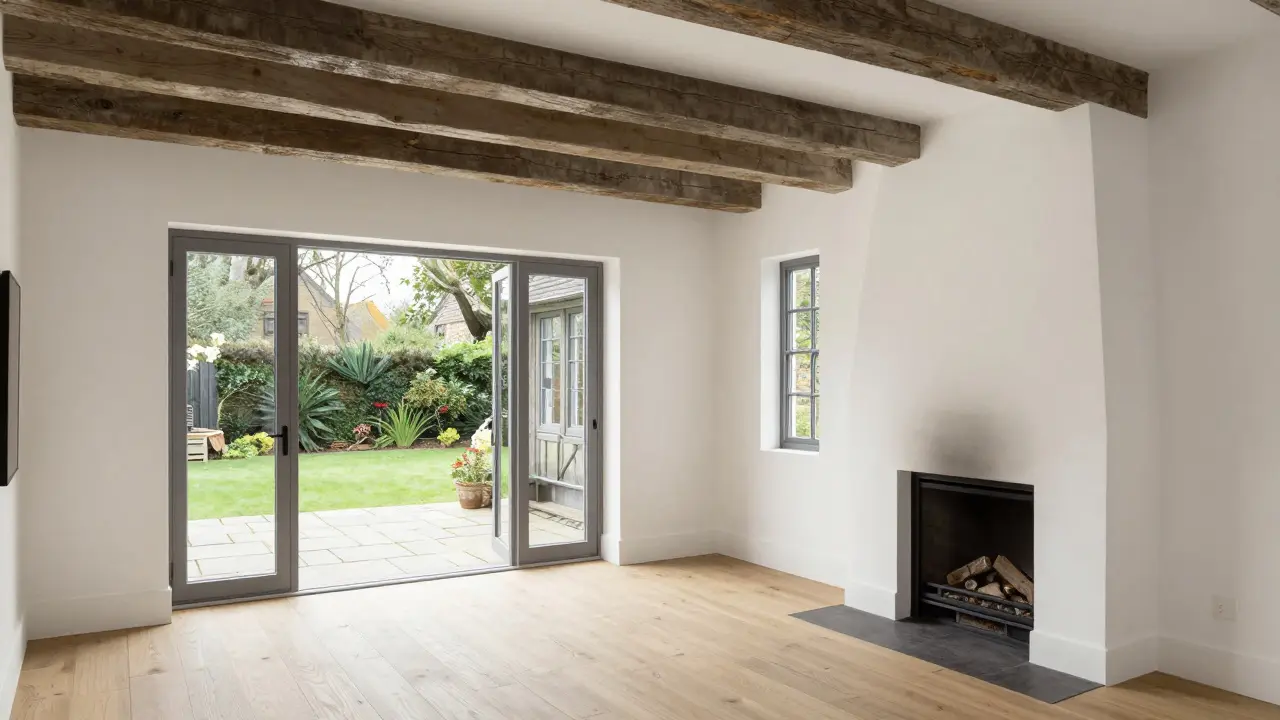
- Open-plan living: Instead of tiny, boxed-in rooms, today’s Tudor homes open up the ground floor. The kitchen flows into the dining and living area, but the ceiling still features exposed beams and a vaulted shape that nods to old great halls.
- Minimalist interiors: White walls, natural oak floors, and simple furniture let the architecture shine. No ornate wallpaper. No clutter. The structure itself becomes the decoration.
- Smart materials: Engineered timber with a weathered finish looks like centuries-old oak but resists termites and moisture. Composite stone veneers mimic the look of hand-cut limestone without the weight or cost.
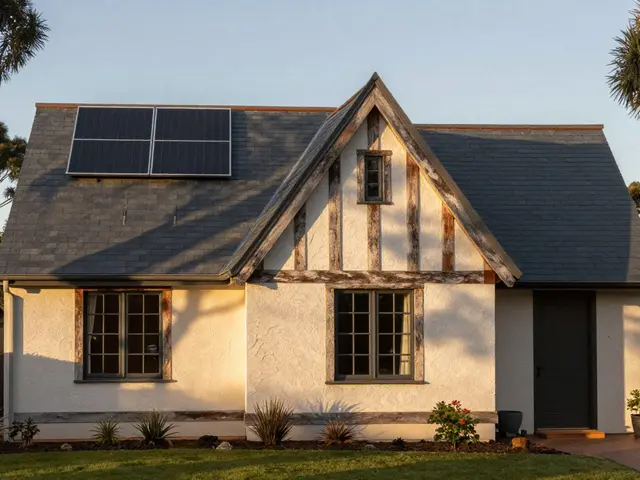
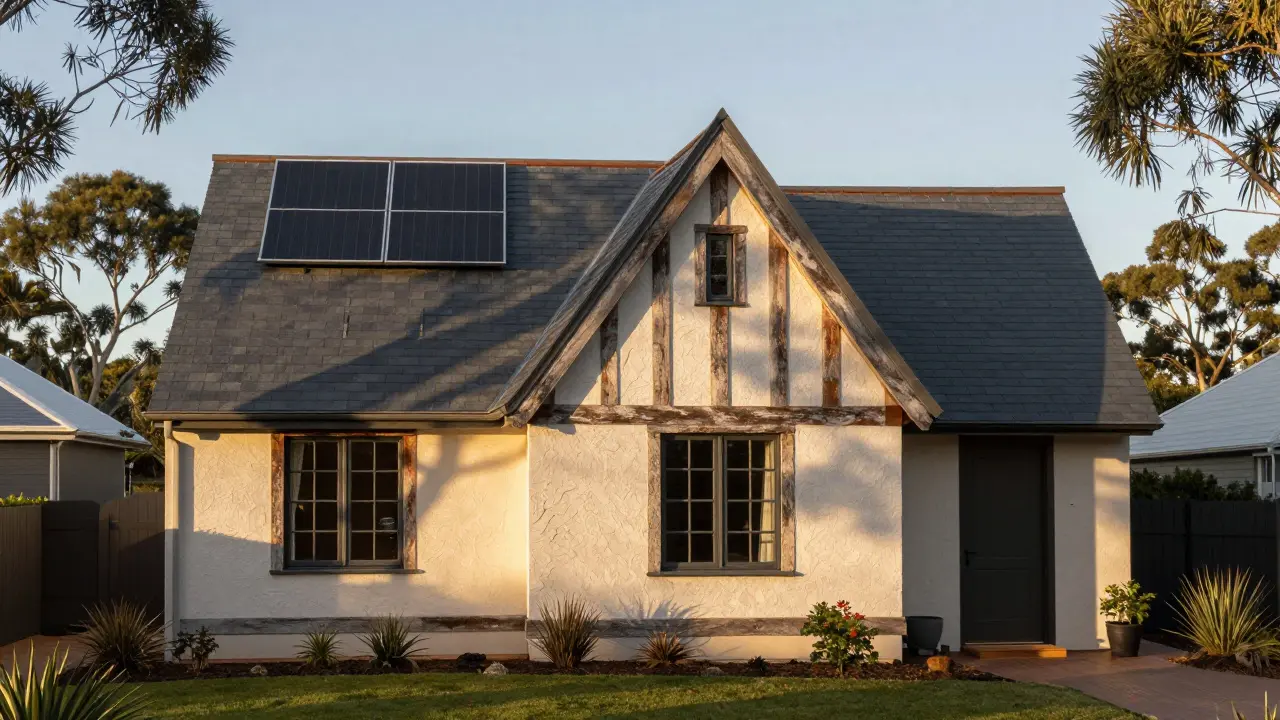
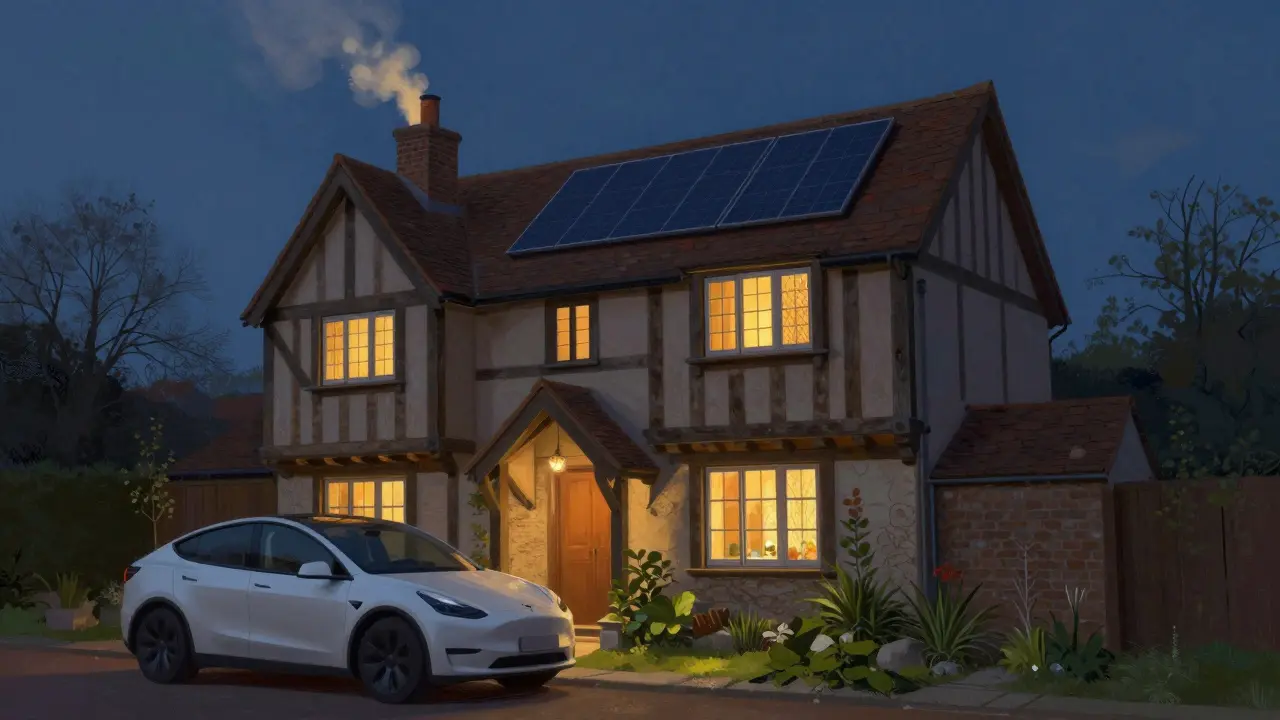
- Hidden tech: HVAC ducts are tucked under floor joists. Smart lighting is embedded in crown molding. Solar panels are disguised as slate roof tiles.
- Outdoor integration: Tudor homes were inward-focused. Modern versions open up to the backyard with large sliding glass doors, courtyards, or covered verandas that echo the old porticos.
One Perth homeowner, Sarah Lin, replaced her 1980s brick box with a custom Tudor-inspired home in 2024. She kept the steep roof and half-timbering but added a 7kW solar array under slate tiles, a passive ventilation system that uses the chimney effect, and a ground-source heat pump. Her energy bill? Less than $25 a month. “It looks like my grandmother’s cottage,” she says. “But it runs like a Tesla.”
What Doesn’t Work
Not every Tudor feature translates. Avoid these outdated traps:
- Too much ornamentation: Carved gargoyles, stained glass with religious scenes, and excessive wood carvings feel like theme parks, not homes.
- Small, dark rooms: No one wants to live in a cave with 18-inch-thick walls and 4-foot-wide hallways.
- Real wattle and daub: It’s not durable. Modern alternatives exist-don’t sacrifice performance for authenticity.
- Single-glazed windows: Even if they look old, they waste energy and make the house uncomfortable in Perth’s heat.
- Over-reliance on symmetry: Tudor homes were asymmetrical by necessity. Forcing perfect balance makes them look artificial.
How to Spot a Good Modern Tudor Home
Not every house with a pointy roof is a true reimagining. Here’s how to tell the difference:
- Check the materials: Are the beams real timber or just thin veneers glued to a wall? Real timber shows natural grain and slight warping-imperfections that come with age.
- Look at the roof: Does it slope naturally, or is it a flat roof with a fake gable stuck on? Authentic Tudor roofs have complex pitches that follow the internal structure.
- Examine the windows: Do they have mullions (vertical bars) and transoms (horizontal bars) that divide the glass into small panes? That’s key. But are the panes single or double-glazed? The latter is non-negotiable today.
- Walk through the space: Is it functional? Can you move freely? Is there natural light in every room? If it feels like a stage set, it’s not a home.
Where to Find Inspiration
You don’t need to fly to England. Look at homes built in the 1990s and 2000s in places like Melbourne’s Toorak, Sydney’s Mosman, or even suburban Perth. Architects like John Wardle and firms like Hecker Guthrie have quietly led this movement-blending heritage forms with contemporary sustainability. Look for homes that use local stone, native timber, and passive solar orientation. That’s the real Tudor revival: rooted in place, not just style.
The Bigger Picture
This isn’t just about aesthetics. Reimagining Tudor architecture is part of a global shift toward culturally rooted, low-impact design. As climate change forces us to rethink building materials and energy use, the old ways offer lessons. Thick walls = thermal mass. Overhanging eaves = natural shading. Chimneys = passive airflow. These aren’t relics. They’re blueprints.
Tudor architecture didn’t die. It got smarter. And now, it’s coming back-not as a costume, but as a solution.
Can you build a Tudor-style home on a small urban block?
Yes, absolutely. Modern Tudor homes don’t need acres of land. Architects are designing compact, vertical versions with steep roofs and tall windows that maximize natural light. In Perth’s inner suburbs, homes under 150 square meters with Tudor details-like timber framing and gabled roofs-are becoming popular. The key is smart vertical planning: using the roofline for storage or attic space, and keeping the ground floor open.
Is Tudor architecture expensive to build today?
It depends. A basic Tudor-inspired home with modern materials and finishes costs about 15-20% more than a standard new build, mostly due to custom detailing like timber framing and stone accents. But it’s not as expensive as you’d think. Using engineered wood instead of solid oak, or composite stone instead of quarried limestone, brings costs down significantly. Over time, energy savings from better insulation and passive design often offset the upfront cost.
Do Tudor-style homes require more maintenance?
Only if you use old materials. Modern Tudor homes built with treated engineered timber, synthetic stone, and double-glazed windows require no more maintenance than any other high-quality new build. The myth that Tudor homes are high-maintenance comes from 19th-century restorations using untreated wood and single-pane glass. Today’s versions are designed to last decades with minimal upkeep.
Can you mix Tudor with other styles, like Scandinavian or Japanese?
Yes, and it’s becoming more common. Some architects blend Tudor timber framing with clean Scandinavian lines and minimalist interiors. Others combine the steep roof of a Tudor home with the open, flowing spaces of Japanese design. The trick is keeping the structural elements-like beams and gables-while simplifying the rest. The result is a home that feels timeless, not tied to one era.
Are there any building codes that restrict Tudor-style homes?
Not specifically. But local council guidelines in places like Perth may have height restrictions or setback rules that affect steep roofs or tall chimneys. The bigger issue is energy efficiency standards. Any new build must meet the National Construction Code’s energy performance requirements. That means even if you want a traditional-looking Tudor home, it must have proper insulation, double glazing, and efficient heating. Good architects work within these rules-they don’t fight them.