This article explores the distinctive elements and enduring appeal of Tudor architecture, a classic style that originated in England during the late 15th century. It delves into the key features such as timber framing, steeply pitched roofs, and ornate gables. The article also addresses how Tudor architecture has been adapted in modern homes across the globe, offering tips for incorporating its signature style into contemporary settings. Discover the rich historical context and craftsmanship that make Tudor architecture a beloved choice for homeowners and designers alike.
Architectural Artistry Chambers - Page 10

Ranch-style houses, born in the United States, became symbols of freedom and spacious living. These homes, noted for their unpretentious design and horizontal layout, emerged prominently in the mid-20th century and continue to inspire modern architecture. As lifestyles shifted, the simplicity and practicality of ranch-style homes captivated many homeowners seeking an indoor-outdoor connection. This exploration into ranch-style homes reveals their history, core features, evolving design, and the reasons behind their enduring popularity.
Functionalism plays a crucial role in understanding how societal norms are formed and maintained. It examines the social structures that contribute to the cohesiveness and stability of society. By analyzing various institutions and their functions, functionalism provides insights into the ways communities operate and adapt to change. This article explores the impact of functionalism in shaping societal values and behaviors through organized social systems.
Italianate architecture, a style that flourished from the mid-19th century, showcases grandeur through its unique blend of Italian Renaissance and picturesque aesthetics. Known for its distinctive features such as wide eaves with decorative brackets, tall windows, and cupolas, Italianate architecture brought a touch of European elegance to residential and public buildings. This article delves into the history, defining characteristics, and the cultural resurgence of this architectural style. Discover the craftsmen who brought Italianate to life and learn tips for recognizing these architectural gems today.
Transforming a traditional ranch-style home into a modern masterpiece requires a blend of creativity and practicality. This article explores the essential elements for designing a ranch-style house interior with a contemporary twist. From choosing the right color palettes to selecting furniture and decor, discover how to create spaces that are both functional and stylish. Learn the secrets of mixing rustic charm with modern minimalism to achieve a seamless and cohesive look.
Mediterranean Revival Architecture is an enchanting style that draws inspiration from the sun-drenched coasts of Spain, Italy, and Greece. Emerging in the late 19th and early 20th centuries, it brings a touch of Old World elegance through its characteristic terracotta roofs, arched windows, and stucco walls. This architectural approach captures the essence of beauty and harmony, making it a popular choice for homes in warm climates. Dive into the elements that define this captivating style and learn tips on incorporating its timeless allure into modern designs.
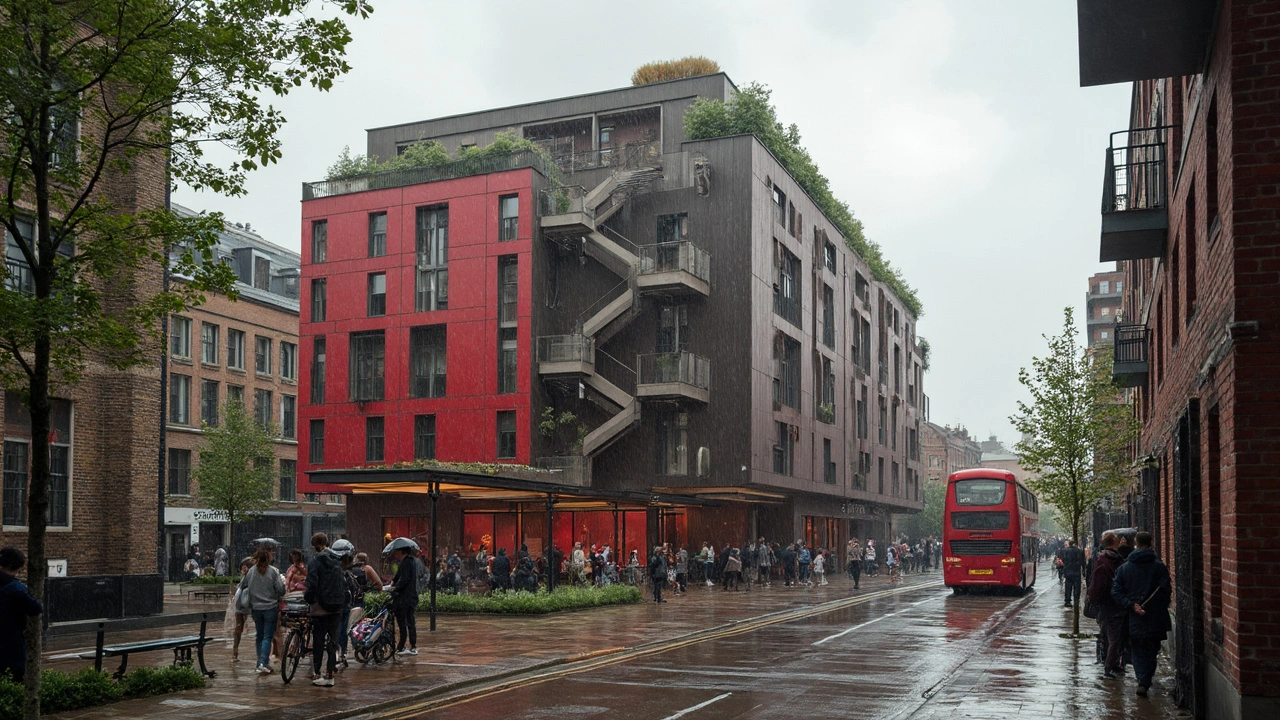
Deconstructivism challenges conventional design with its avant-garde approach, dispelling the norms of uniformity and order. This movement, rooted in architectural innovation, transforms traditional structures by emphasizing elements like fragmentation and irregularity. With influential figures such as Frank Gehry leading the charge, deconstructivism has redefined spaces from buildings to urban environments. By exploring this design philosophy, observers can gain insights into the creativity and risk-taking that drives this transformative art form.
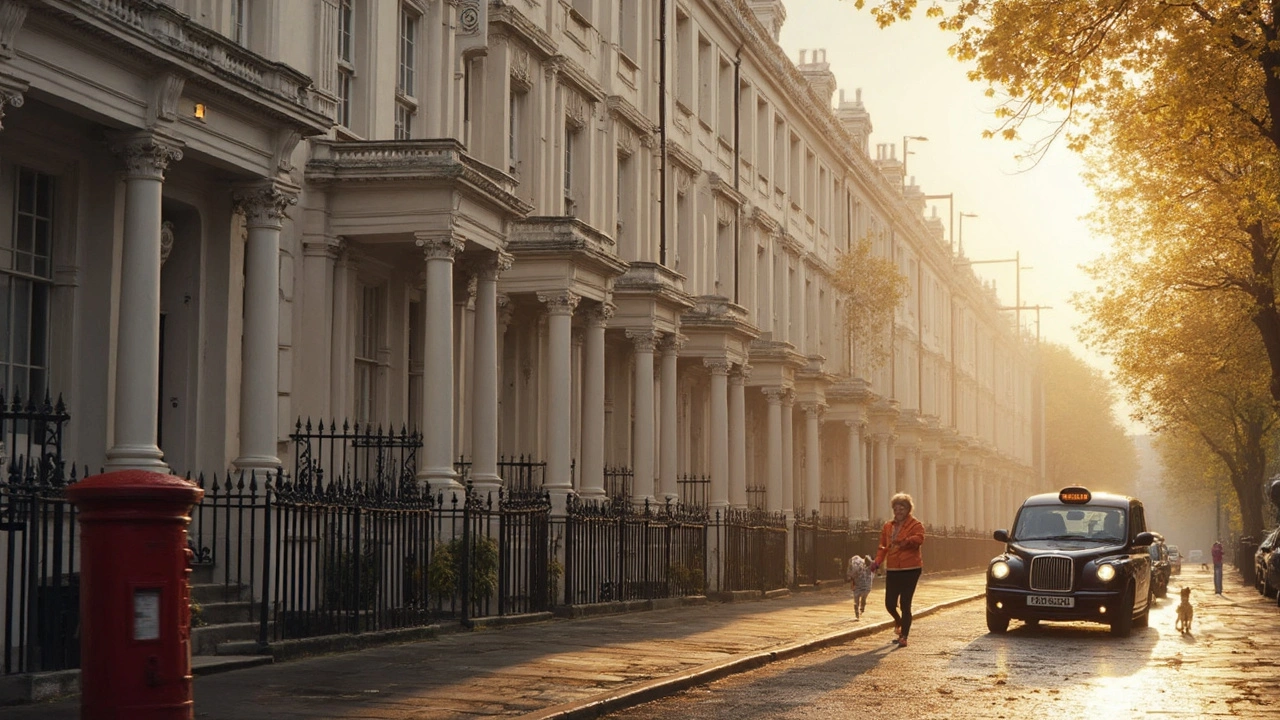
Georgian architecture, characterized by its symmetry and proportion, offers a fascinating insight into the social hierarchies of its time. This style, predominant from the early 18th to the early 19th century, reflected the wealth and social position of its inhabitants through ornate designs and spatial organization. The grandeur of these buildings, often featuring lavish facades and grand entrances, indicated the rising affluence of the emerging middle class. These architectural marvels not only provide an aesthetic delight but are also key to understanding the societal context of the Georgian era.
Deconstructivism challenges traditional design norms by embracing asymmetry and fragmentation, leading to innovative spaces that defy conventional aesthetics. This approach has been instrumental in transforming environments, pushing the boundaries of what architecture can convey. Through its unique way of juxtaposing elements, Deconstructivism creates dynamic spaces full of tension and excitement. The article explores its principles, historical roots, and practical impacts on contemporary spaces.
Dutch Colonial Revival architecture brings timeless elegance and practicality to homes, characterized by its distinct gambrel roofs, symmetrical facades, and charming dormers. Emerging in the early 20th century, this style is a nod to the original Dutch Colonial homes of the 17th and 18th centuries. It became popular in the United States, especially in residential neighborhoods, for its unique blend of tradition and modern-day comfort. Intricate woodwork, substantial use of brick and stone, and ample light are some key features that enthusiasts and designers cherish today.