
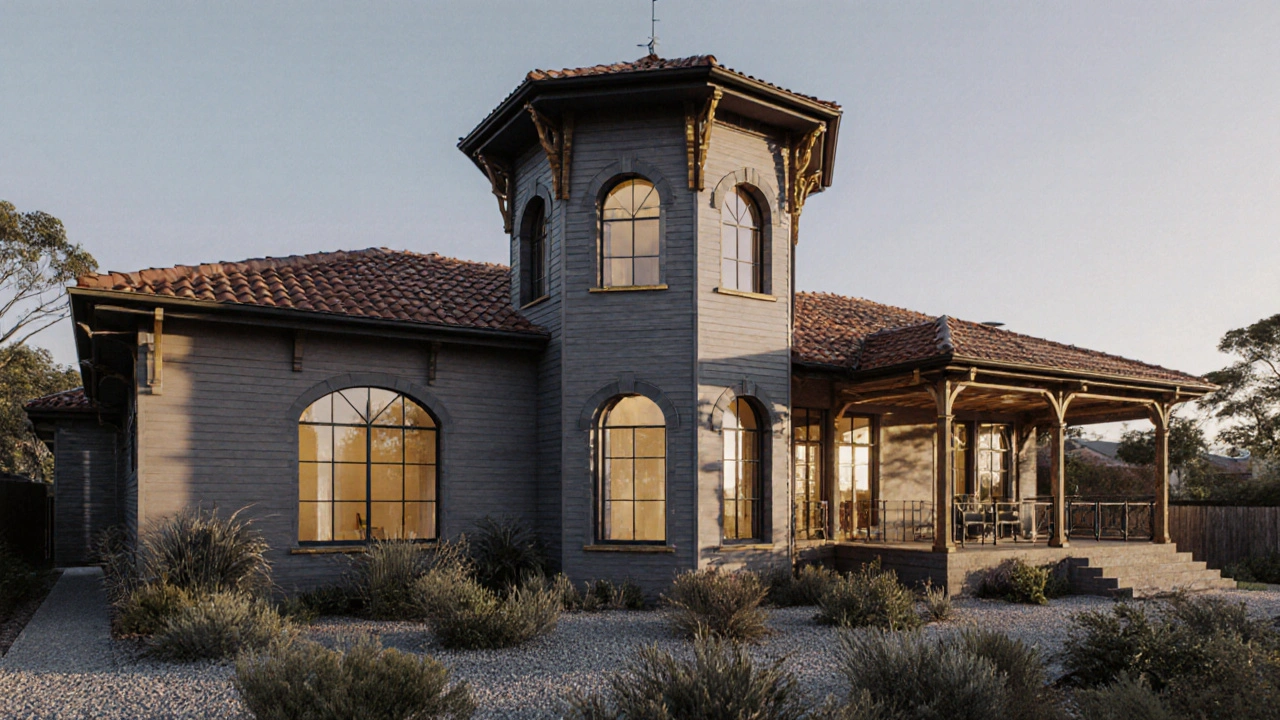
Italianate architecture is making a quiet comeback with modern materials and smarter design. Discover how its tall windows, bracketed eaves, and asymmetrical towers are being revived for today’s homes-especially in Australia’s hot climates.
Italianate Architecture and Modern Design Trends in 2025
When you see a home with tall windows, bracketed eaves, and a low-pitched roof, you’re looking at Italianate architecture, a 19th-century style inspired by Tuscan villas that blends elegance with practicality. Also known as Victorian Italianate, it’s not just a relic—it’s coming back, redesigned for today’s climate and lifestyle. This isn’t just nostalgia. Homeowners in Australia and beyond are choosing Italianate features because they work: deep overhangs shade interiors, tall windows catch breezes, and towers add character without sacrificing function. It’s one of many historic styles being revived—not as museum pieces, but as smart, livable designs.
Behind Italianate’s return is a broader shift in how we think about buildings. Renaissance architecture, the 15th-century movement that brought symmetry, proportion, and human-scale design back into focus. Also known as classical revival, it’s still the backbone of many modern homes, from suburban estates to urban lofts. You see it in the balanced facades and domed entries that feel calm and orderly. Then there’s Gothic architecture, the medieval engineering marvel that used flying buttresses and ribbed vaults to turn stone into light. Also known as medieval engineering, it’s not just cathedrals anymore—its principles of structural honesty inspire today’s open-plan interiors and exposed beams. And if you’re wondering where the future is headed, look at high-tech architecture, a style that fuses smart materials, responsive facades, and parametric design to create buildings that adapt to weather, energy use, and human behavior. Also known as structural expressionism, it’s the reason some new homes have walls that breathe and roofs that track the sun. Meanwhile, Mediterranean revival architecture, with its stucco walls, terracotta roofs, and courtyards. Also known as Spanish colonial style, it’s thriving because it’s cool in summer, warm in winter, and feels like a vacation every day.
What ties all these styles together? They’re not just about looks. They’re about solving real problems—heat, light, space, durability—with thought, not just technology. Whether it’s the handcrafted wood of a Craftsman home or the gold mosaics of Byzantine churches, people still respond to buildings that feel intentional. This collection brings you the best of that thinking: how Italianate details are being updated for modern climates, how Renaissance principles quietly shape today’s layouts, and how high-tech innovations are borrowing from centuries-old ideas to build smarter. You’ll find deep dives into the materials, the history, and the real-world homes where these styles live today. No fluff. Just clear, useful insights into what’s shaping the way we live under roofs.
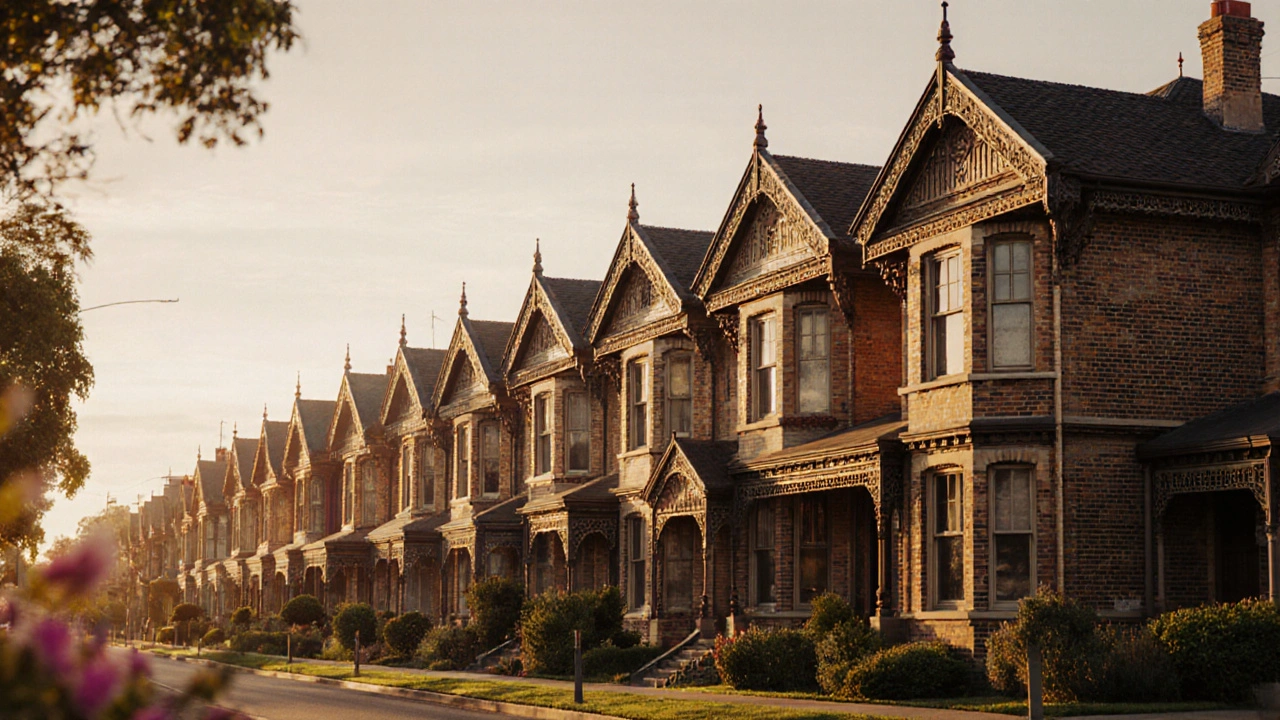
Italianate architecture, with its tall windows, bracketed eaves, and low-pitched roofs, remains influential in modern design. Learn how its smart, timeless features continue to shape homes and buildings today.

High-tech architecture blends cutting-edge technology with bold design to create buildings that respond to their environment. From smart facades to self-healing materials, it’s shaping the future of sustainable, efficient, and human-centered design.

Discover the timeless charm of Mediterranean revival architecture-stucco walls, terracotta roofs, arched windows, and courtyards that blend beauty with practicality. Learn its origins, key features, and why it still thrives today.
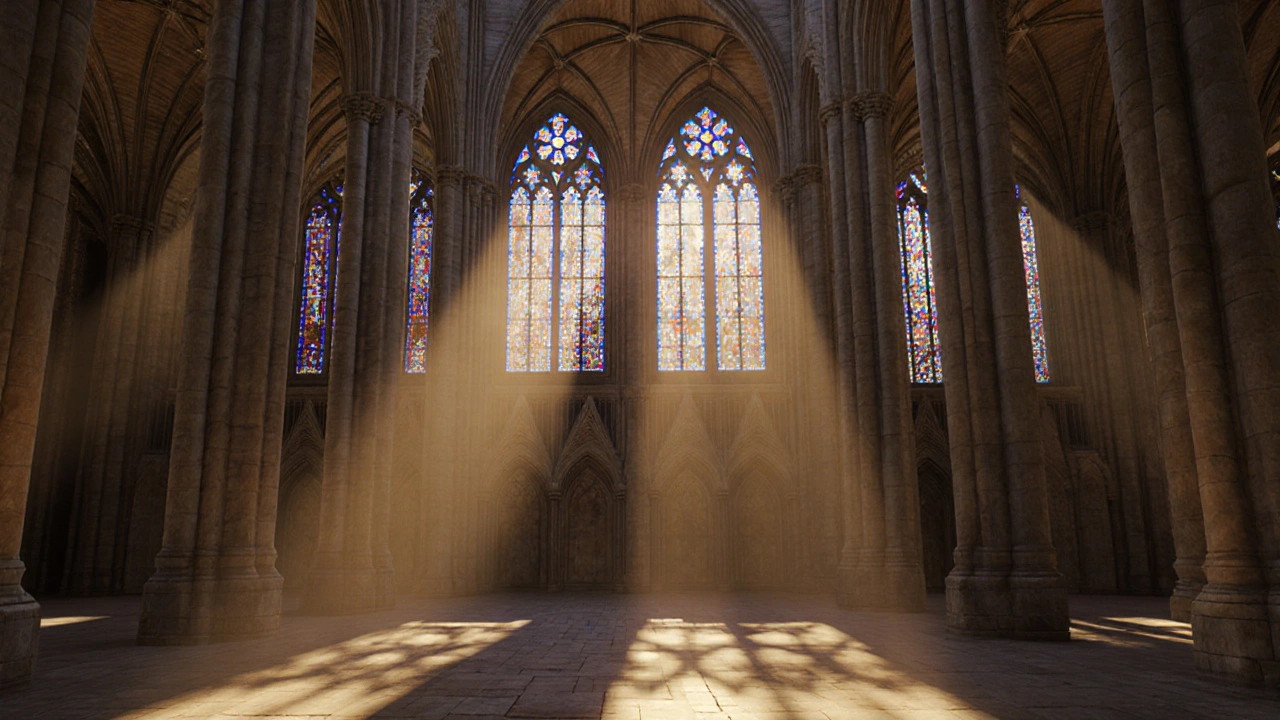
Gothic architecture isn't just beautiful-it's brilliant engineering. Discover how pointed arches, flying buttresses, and ribbed vaults defied gravity and turned stone into light-filled cathedrals that still stand today.

Renaissance architecture revived classical Roman and Greek design principles, emphasizing symmetry, proportion, and human scale. It transformed buildings from religious monuments into harmonious, rational spaces that still influence design today.

Constructivist architecture emerged in 1920s Russia as a revolutionary style blending bold geometry, raw materials, and social purpose. Its legacy lives on in modern housing and design.
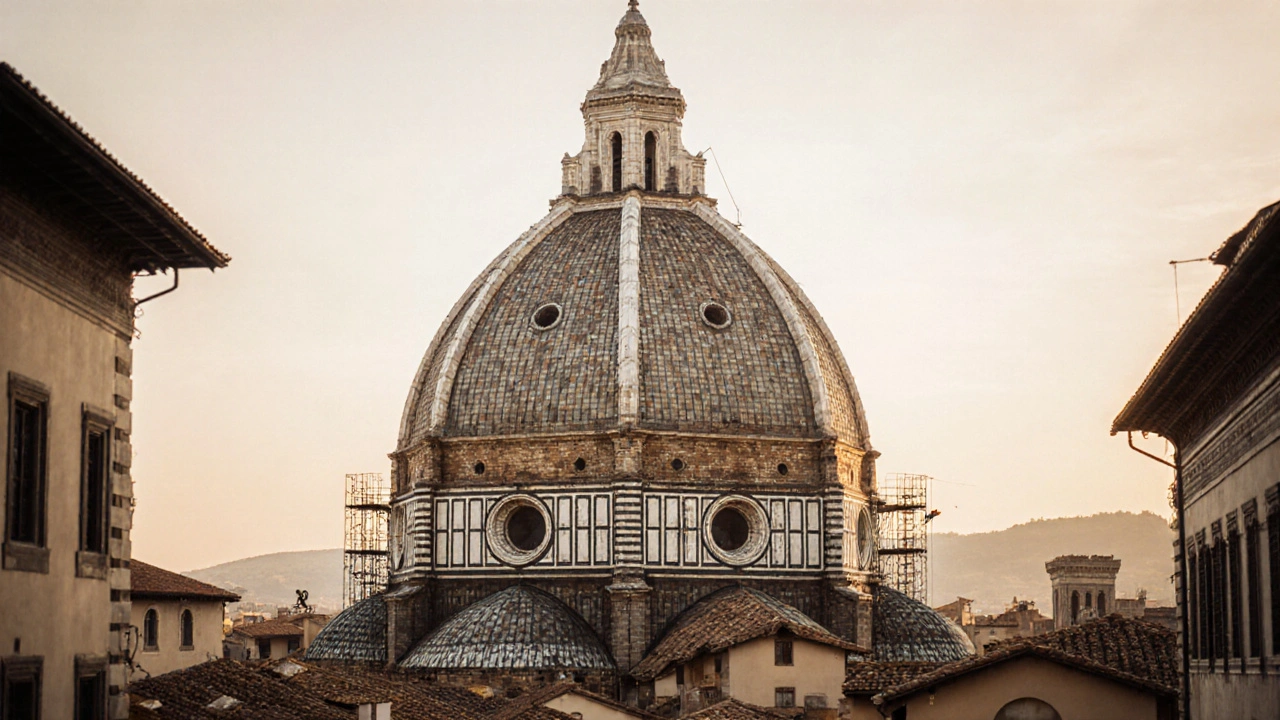
Renaissance architecture fused art and science to create buildings based on harmony, proportion, and human reason. From Brunelleschi’s dome to Palladio’s villas, its legacy still shapes how we design spaces today.
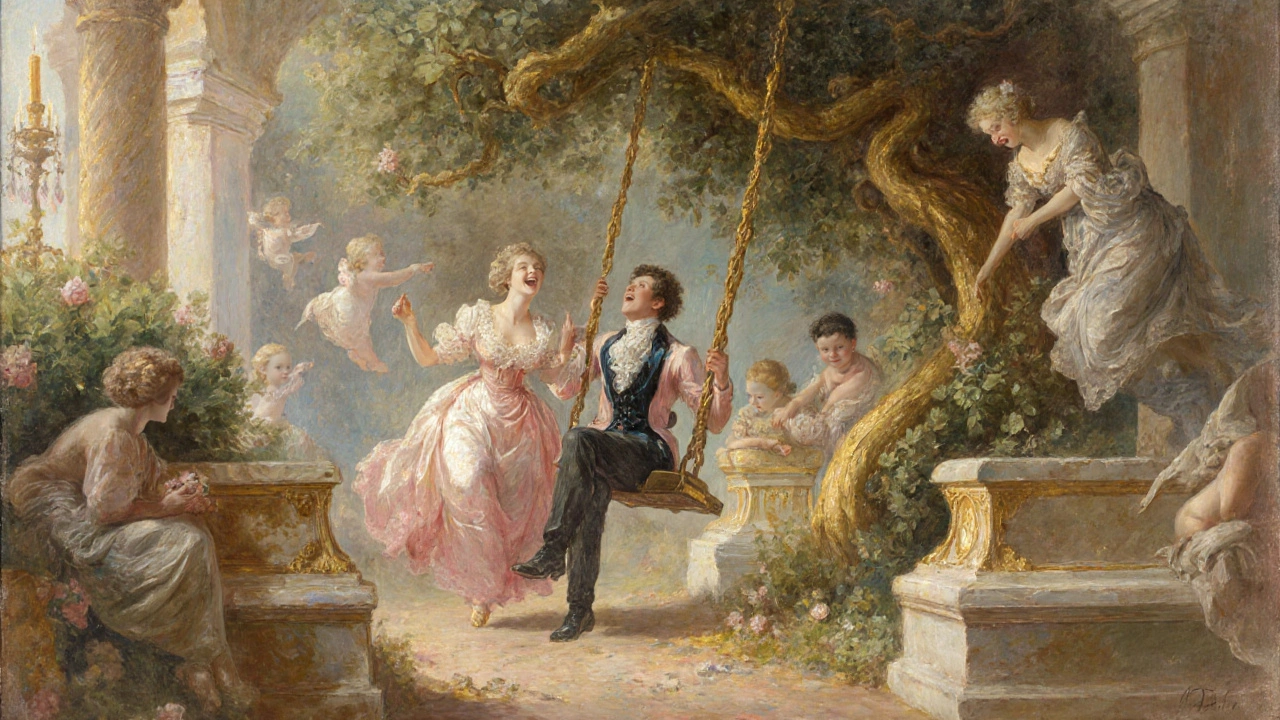
Rococo was the playful, ornate art movement of 18th-century Europe that celebrated elegance, intimacy, and luxury. Known for pastels, gold, and curved forms, it defined aristocratic life before the revolution changed everything.
The minimalist approach to personal finance cuts through the noise of budgeting apps and complex rules. Focus on three accounts, one budget rule, and eliminating financial clutter to gain peace of mind and real freedom.