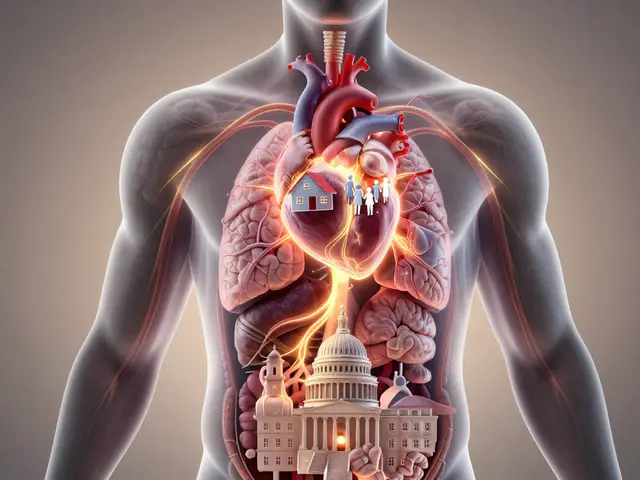

Functionalism isn’t just a theory from old textbooks. It’s the quiet engine behind how your city runs, why schools exist, and why we still shake hands when we meet someone new. Back in the 19th century, thinkers like Émile Durkheim asked a simple but powerful question: how do societies stay together? They didn’t just look at conflicts or revolutions. They looked at the quiet, everyday parts that keep everything from falling apart. That’s functionalism-and it still shapes the world you live in today.
What Functionalism Actually Means
Functionalism sees society like a living organism. Every part has a job. The family teaches values. The economy provides food and shelter. The legal system punishes crime. Even religion, though it seems personal, helps bind people together through shared rituals. If one part breaks down, the whole system feels the strain. Think of it like your heart: you don’t notice it until it skips a beat.
This isn’t about blaming people or calling things ‘good’ or ‘bad.’ It’s about asking: what does this do? Why does the education system exist? Not because someone decided it was nice, but because without it, society can’t train workers, pass on knowledge, or give young people a shared sense of identity. Functionalism doesn’t care if something is fair-it cares if it works.
How Functionalism Explains Modern Institutions
Take healthcare. In a functionalist view, hospitals aren’t just places to treat sickness. They’re social stabilizers. When someone gets sick, the system responds: doctors diagnose, insurance pays, families adjust routines, workplaces offer leave. All these pieces work together to keep the person-and the social order-moving. Without that structure, illness wouldn’t just hurt individuals. It would ripple through workplaces, schools, and families.
Same with the media. Yes, it entertains. But it also reinforces shared norms. When news outlets report on national holidays, disasters, or even scandals, they’re not just informing. They’re reminding people: this is who we are. Even when the news is negative, it helps society recalibrate its values. That’s why people get angry when media seems to break the rules-it feels like the system is failing.
And what about crime? Functionalists don’t see crime as just a problem to solve. Émile Durkheim argued that a little crime is normal-even necessary. It shows us where boundaries are. When someone breaks a law, society reacts. That reaction-protests, trials, punishments-reaffirms what’s acceptable. Without crime, we wouldn’t know what we stand for.
Functionalism in Everyday Life
You don’t need a sociology degree to see functionalism at work. Look at how people behave in elevators. No one talks. No one stares. Why? Because we’ve all learned the unspoken rule: keep it quiet, keep it personal. That’s functionalism in action. It’s not about politeness-it’s about avoiding chaos. If everyone shouted or stared, the elevator wouldn’t function. The social system would jam.
Or consider traffic lights. They’re not just tools for drivers. They’re social contracts. Red means stop. Green means go. Yellow means prepare. These colors don’t have meaning on their own. We gave them meaning. And because we all agree on them, traffic flows. No one needs to be forced. We just… do it. That’s how functionalism keeps complex systems running without constant control.

Why Functionalism Still Matters Today
Some say functionalism is outdated. That it ignores power, inequality, and change. And sure-it doesn’t focus on who benefits or who gets left behind. But that’s not its job. Functionalism asks: how does this keep society from collapsing? And right now, society is under pressure.
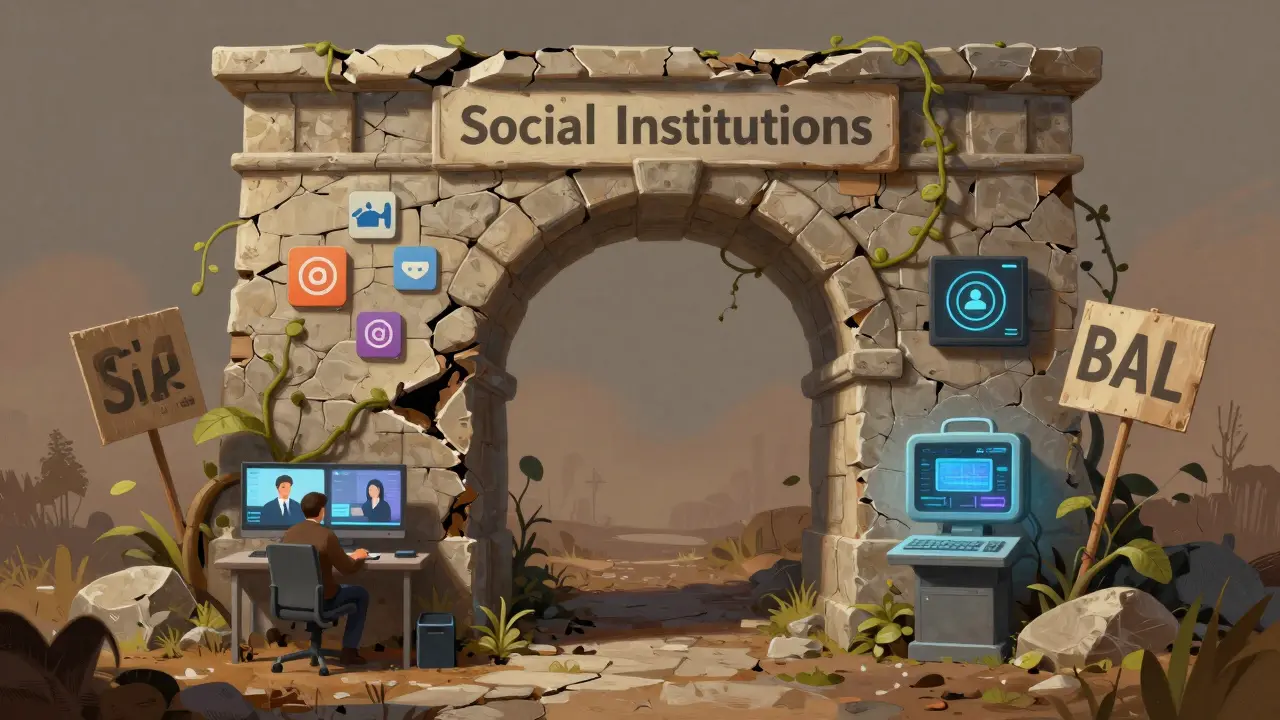
Think about social media. It’s not just a platform. It’s a new social institution. It connects families, spreads news, organizes protests, and even shapes political opinions. Functionalism helps us ask: what role is it playing? Is it reinforcing shared values? Or is it breaking down trust? When misinformation spreads, it’s not just a tech problem. It’s a social function failing. People lose faith in institutions. That’s when functionalism becomes urgent.
Same with remote work. Before 2020, offices were more than places to sit. They were where people built relationships, learned culture, and got feedback. Now, many work from home. The system is adapting-but not always smoothly. Companies are trying to replace watercooler chats with virtual coffee breaks. That’s functionalism in real time: trying to rebuild what’s broken.
Functionalism vs. Other Theories
It’s easy to confuse functionalism with other ideas. Conflict theory says society is a battleground for power. Symbolic interactionism says meaning comes from daily interactions. Functionalism doesn’t deny those views. It just asks a different question: what holds it all together?
For example, when protests erupt over police violence, conflict theorists focus on inequality. Functionalists ask: what happens to social order when trust in police drops? How do communities respond? What new norms emerge? Both views matter. But functionalism gives you the big picture: how systems adapt-or fail-under stress.
That’s why functionalism isn’t dead. It’s just quiet. It’s the background hum of society. You notice it when something breaks. When schools can’t teach reading. When families can’t afford childcare. When people stop voting. Those aren’t just policy failures. They’re signs that a key part of the system isn’t working anymore.
Functionalism and the Future
The world is changing fast. Climate change, AI, aging populations-these aren’t just technical problems. They’re social ones. Functionalism helps us see how each change will ripple through institutions.
Take AI in healthcare. It can diagnose diseases faster. But what happens to the role of doctors? What about patient trust? What about jobs? Functionalism doesn’t predict the future. It gives you a lens to see how society will try to adjust. Will new rituals form around AI consultations? Will insurance systems change? Will people still value human touch in care?
Functionalism doesn’t say everything should stay the same. It says: change will happen. But society will find ways to make it work. That’s not optimism. It’s observation.
What Functionalism Teaches Us About Ourselves
At its core, functionalism reminds us that we’re not alone. Every habit, rule, and tradition you follow-even the weird ones-has a reason. You wear a suit to a job interview not because it’s stylish, but because it signals seriousness. You say ‘thank you’ not because you’re polite, but because it keeps social exchange flowing.
Functionalism doesn’t judge. It doesn’t say you should conform. It just shows you how deeply connected we are. When you act, you’re not just acting for yourself. You’re helping the system keep running.
That’s why functionalism still matters. Not because it’s perfect. But because it sees society not as a collection of individuals, but as a living, breathing network of roles, routines, and shared expectations. And right now, that network is being tested like never before.
Is functionalism still relevant in today’s divided society?
Yes. Functionalism doesn’t ignore division-it explains how societies respond to it. When trust breaks down in institutions like government or media, functionalism helps us see how new norms might form. It’s not about fixing inequality, but understanding how systems adapt when key parts are strained.
Does functionalism support the status quo?
It can seem that way, because it focuses on stability. But functionalism doesn’t say the status quo is good-it says societies need stability to function. That’s why it also explains social change: when institutions stop working, new ones emerge. Functionalism helped explain the rise of mental health services, online education, and even the gig economy as responses to changing needs.
Can functionalism explain why some people reject societal norms?
Absolutely. Functionalism sees deviance as part of the system. People who reject norms-activists, artists, rebels-help society redefine boundaries. Their actions force others to ask: is this rule still useful? That’s how social progress happens. Functionalism doesn’t condemn nonconformity-it studies its role in keeping society flexible.
How does functionalism differ from Marxism?
Marxism sees society as shaped by class struggle and economic power. Functionalism sees it as shaped by shared needs and cooperation. Marxists ask: who benefits? Functionalists ask: what keeps it running? One focuses on conflict, the other on cohesion. They’re not opposites-they answer different questions.
Is functionalism used in modern policy-making?
Yes, quietly. Public health campaigns, education reforms, and even urban planning often assume functionalist logic. For example, building bike lanes isn’t just about environment-it’s about making transportation reliable, reducing healthcare costs, and promoting community health. Policymakers don’t always call it functionalism, but they’re using the same logic: how does this help society function better?