
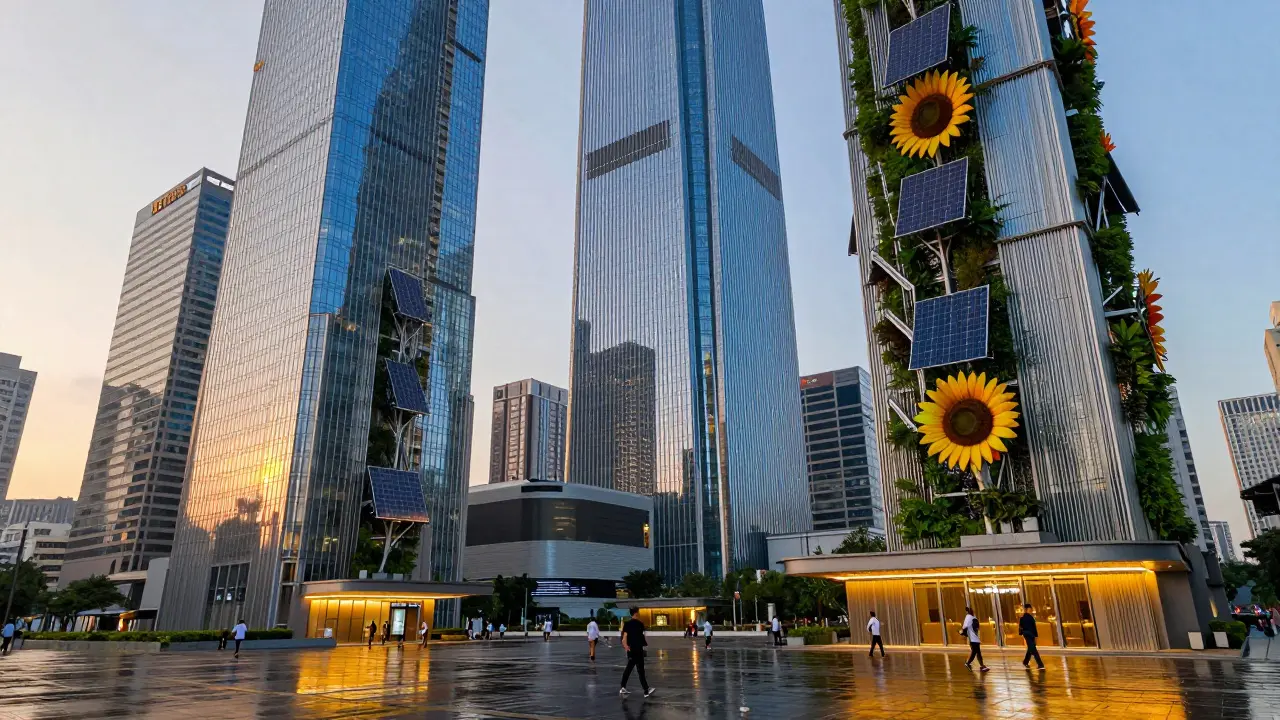
High-tech architecture is transforming urban development with smart, responsive buildings that use AI, sensors, and sustainable tech to reduce energy use and improve life in cities. From Singapore to Houston, these buildings don't just stand tall-they adapt.
Smart Buildings: How Technology Is Reshaping Modern Architecture
When you walk into a smart building, a structure that uses sensors, automation, and data to optimize energy use, comfort, and security. Also known as intelligent buildings, it adapts to how people move through it, when they’re there, and even the weather outside. This isn’t science fiction—it’s happening in offices, apartments, and schools right now.
Smart buildings rely on building automation, systems that control lighting, heating, ventilation, and security without manual input. These systems learn patterns over time, turning off lights in empty rooms or adjusting temperature before people arrive. They cut waste, lower bills, and make spaces more comfortable. This isn’t just about gadgets—it’s about rethinking how buildings serve people. And it’s not just for big corporations. Smaller offices and even homes are starting to use these tools because they’re cheaper, easier to install, and pay for themselves over time.
IoT in architecture, the connection of physical devices like thermostats, motion sensors, and air quality monitors to the internet, is what makes this all possible. These devices talk to each other and to central systems, creating a network that responds instantly. You don’t need to be an engineer to benefit—just walk in and notice how the air feels just right, or how the lights turn on as you enter. That’s the IoT working behind the scenes.
Behind every smart building is a goal: energy-efficient design, the practice of reducing power use without sacrificing comfort or function. It’s why modern offices use natural light more, why HVAC systems run only when needed, and why materials are chosen to keep heat in during winter and out during summer. This isn’t just good for the planet—it’s good for your wallet. Buildings that use less energy cost less to run, and tenants notice the difference.
And it’s all tied to sustainable architecture, a broader movement to build in ways that reduce environmental impact over a building’s entire life. Smart tech doesn’t replace green design—it enhances it. Solar panels, recycled materials, and rainwater systems work better when paired with sensors that track usage and adjust output. The result? Buildings that don’t just look good, but actually do good.
You’ll find real examples of all this in the posts below—from how sensors cut energy use in office towers, to how homeowners are using smart thermostats to save hundreds a year. There’s no fluff here. Just clear, practical insights into how buildings are becoming smarter, leaner, and more alive than ever before.
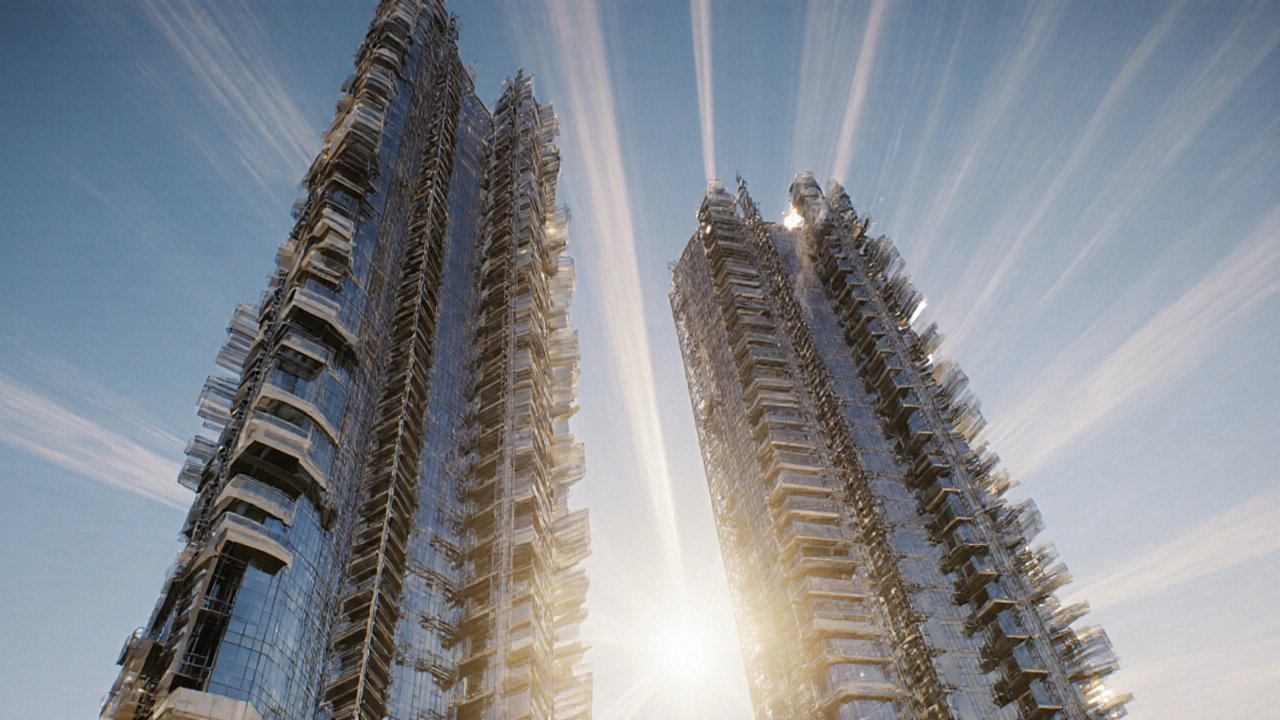
High-tech architecture blends cutting-edge technology with bold design to create buildings that respond to their environment. From smart facades to self-healing materials, it’s shaping the future of sustainable, efficient, and human-centered design.