
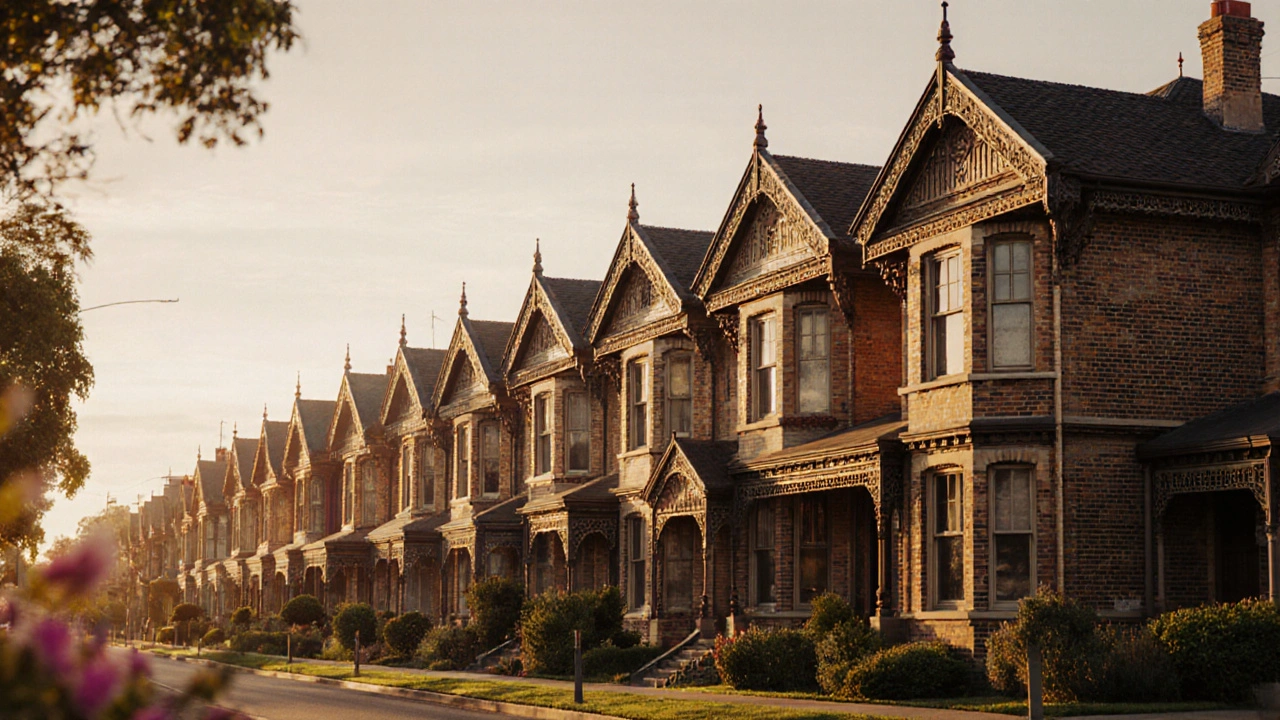
Italianate architecture, with its tall windows, bracketed eaves, and low-pitched roofs, remains influential in modern design. Learn how its smart, timeless features continue to shape homes and buildings today.
Cupolas: The Elegant Crowns of Architectural Design
A cupola, a small, dome-like structure on top of a building, often used for ventilation, light, or decoration. Also known as a lantern, it’s not just an afterthought—it’s a deliberate design choice that lifts a building’s character. You’ve seen them on barns, churches, town halls, and even modern homes. But most people don’t realize how deep their history goes—or how smart they really are.
Cupolas aren’t just pretty. They solve real problems. In pre-air-conditioning times, they let hot air escape from the top of buildings, pulling cooler air in below. That’s why you’ll find them on old barns in the Midwest and colonial homes in New England. But they didn’t stop there. In Byzantine architecture, a style that used domes and light to create sacred, otherworldly spaces, cupolas evolved into grand domes like the one over Hagia Sophia, turning stone into sky. Meanwhile, in Renaissance architecture, a movement that brought back classical proportions and human-centered design, architects like Brunelleschi used cupola-like domes not just for beauty, but to prove engineering could be poetic. These weren’t decorations—they were statements of control over space, light, and structure.
Today, cupolas still matter. They’re the quiet heroes of rooflines—adding height without weight, letting in natural light without windows, and giving a building its final, defining touch. Whether it’s a tiny copper cupola on a farmhouse or a massive gilded one over a government building, they carry centuries of craft in a single form. You’ll find them in posts about Gothic revival churches, Italianate villas, and even modern eco-homes that use passive ventilation. They’re not stuck in the past. They’re quietly everywhere.
Below, you’ll find real examples of how cupolas show up in architecture—from the soaring domes of Renaissance cathedrals to the humble but smart vents on 19th-century barns. You’ll see how they connect to larger ideas about light, structure, and culture. No fluff. Just the facts, the forms, and the stories behind the shapes that sit quietly on top of so much history.