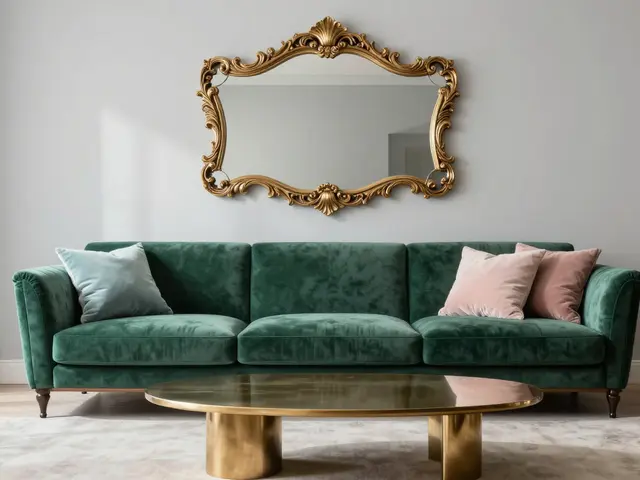
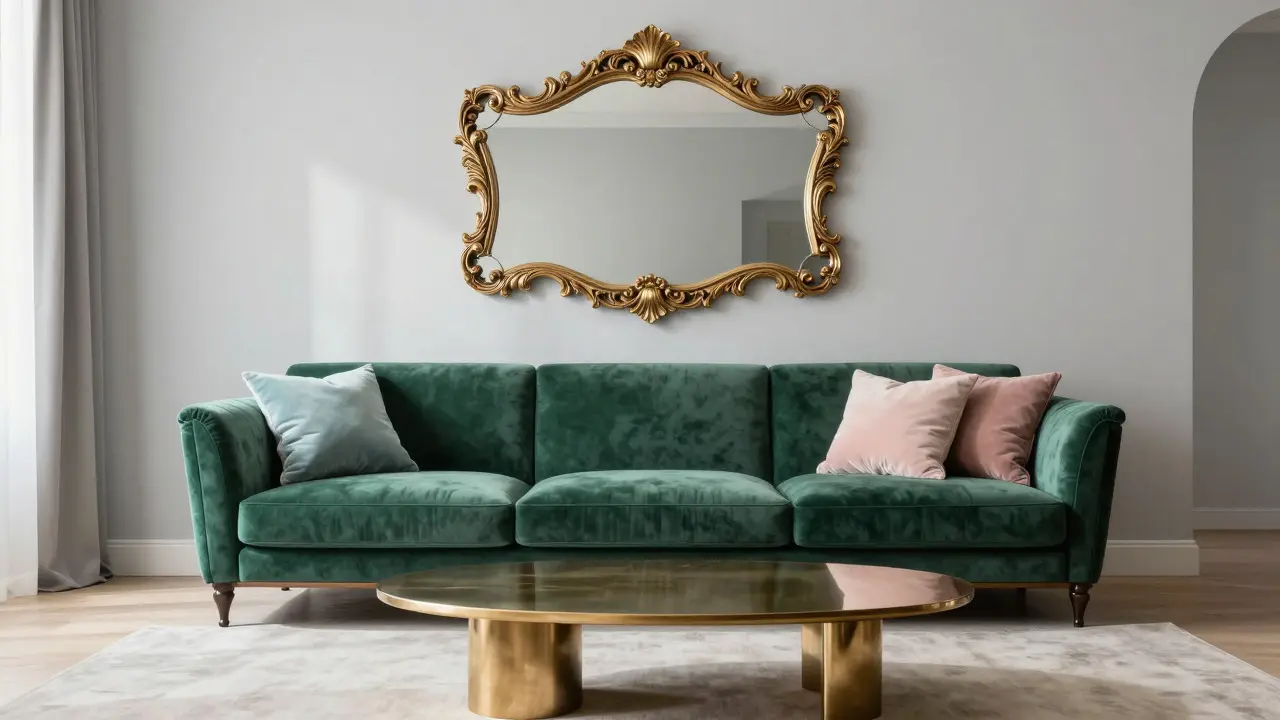
Picture this: you walk into a room that feels like a secret garden trapped inside a palace. Curved lines dance across the walls, soft pastel colors soothe your eyes, and every object looks like it was carved from sugar glass. This isn’t a museum exhibit from the 18th century. It’s a living room in 2026. The Rococo style, once dismissed as overly frivolous by history books, is having a massive comeback in contemporary design.
But here’s the catch. You don’t want your home to look like a costume party for Marie Antoinette. The challenge isn’t just adding curls and gold leaf; it’s about balancing historical extravagance with modern minimalism. If you get it right, you create spaces that feel luxurious yet livable. If you get it wrong, you end up with visual noise that makes people anxious. So, how do we take the playful spirit of Rococo and make it work in today’s homes?
The Core DNA of Rococo Style
To use Rococo effectively, you first need to understand what actually defines it. Many people confuse Baroque with Rococo, but they are distinct cousins with different personalities. Baroque is dramatic, heavy, and symmetrical, often using dark woods and bold contrasts to inspire awe. In contrast, Rococo, which emerged in France around 1730, is light, asymmetrical, and intimate. It prioritizes pleasure over power.
The defining features of Rococo include:
- Asymmetry: Unlike the rigid balance of earlier styles, Rococo embraces irregular shapes. A mirror might be framed on one side but not the other.
- Natural Motifs: Look for shells ("rocaille"), acanthus leaves, flowers, and birds. These aren’t realistic botanical drawings; they are stylized, swirling interpretations of nature.
- Pastel Palette: Think cream, powder blue, pale pink, mint green, and ivory. Gold is used sparingly as an accent, not a base coat.
- Curvilinear Forms: Straight lines are rare. Walls, furniture legs, and ceiling moldings all curve inward or outward in S-shapes or C-scrolls.
When you strip away the excess, Rococo is essentially about movement. Every element seems to be in motion, flowing into the next. This sense of fluidity is what designers today find so appealing-it breaks the monotony of the boxy, industrial aesthetic that dominated the early 2000s.
Why Rococo Is Resurging Now
You might wonder why a style associated with aristocratic decadence is trending in 2026. The answer lies in our current cultural mood. For years, we lived through the era of "less is more." Minimalism promised clarity, but for many, it delivered coldness. As we recover from global uncertainties, there is a growing desire for comfort, escapism, and sensory richness.
This shift aligns perfectly with the concept of "maximalism," but not the chaotic kind. We are seeing a rise in "curated maximalism," where every object has a place and a story. Rococo offers a structured way to be maximalist because its rules of symmetry and color harmony prevent clutter from becoming messy.
Additionally, social media plays a huge role. Platforms like Instagram and Pinterest thrive on visually striking content. A plain white wall doesn’t stop the scroll. A wall with intricate, hand-painted floral motifs does. Designers are leveraging this attention economy by incorporating Rococo elements that photograph beautifully while still functioning as practical living spaces.
Blending Old World Charm with Modern Function
The biggest mistake people make when trying to incorporate Rococo is going full historical recreation. They buy antique reproductions that are too large for modern apartments or choose fabrics that stain at the slightest touch. To make Rococo work in contemporary design, you need to edit ruthlessly.
Start with architecture. You don’t need to knock down walls to install plaster medallions. Instead, focus on one focal point. Perhaps it’s a single feature wall with wainscoting featuring curved panels instead of flat rectangles. Or maybe it’s a ceiling with subtle molding that catches the light without overwhelming the room. Keep the rest of the space clean and uncluttered to let those details breathe.
Furniture is another area where hybridization works wonders. Look for pieces that have Rococo silhouettes-cabriole legs, serpentine fronts-but upholstered in modern, durable fabrics. Imagine a velvet sofa in deep emerald green with curved arms, paired with a sleek, metal coffee table. The contrast between the soft, organic shape of the sofa and the hard, geometric line of the table creates tension that keeps the eye engaged.
| Element | Traditional Rococo (18th Century) | Contemporary Adaptation (2026) |
|---|---|---|
| Color Scheme | Pastels only (pink, blue, cream) | Mixed palettes: Pastels paired with charcoal, navy, or black |
| Materials | Gilded wood, silk, porcelain | Lacquered MDF, performance velvet, brushed brass |
| Scale | Oversized, ornate mirrors and chandeliers | Scaled-down accents, modular shelving with curved edges |
| Lighting | Candlelight simulation, crystal prisms | LED strips hidden in coves, sculptural pendant lights |
| Layout | Symmetrical seating arrangements | Asymmetrical, conversational groupings |
Color Theory in a Rococo Context
Color is perhaps the most powerful tool in the Rococo designer’s kit. Historically, the palette was restricted to light tones because interiors were lit by candles and oil lamps. Dark colors would have made rooms feel cave-like. Today, we have electric lighting, which allows us to experiment with deeper hues while maintaining the Rococo spirit.
However, the principle of lightness remains important. Even if you choose a darker base, such as slate gray or forest green, ensure that the accents remain bright and airy. Use metallic finishes like brass or gold leaf to reflect light and add warmth. Avoid matte black unless it’s used very sparingly, as it can kill the whimsical energy of the style.
A pro tip: try the 60-30-10 rule with a twist. Let 60% of the room be a neutral background (white, beige, light gray). Use 30% for your primary Rococo color (a soft blush or sage green). Reserve the final 10% for high-contrast accents, such as a bold patterned rug or a piece of art with strong outlines. This ensures the whimsy pops without dominating the senses.
Textiles and Textures: Adding Tactile Depth
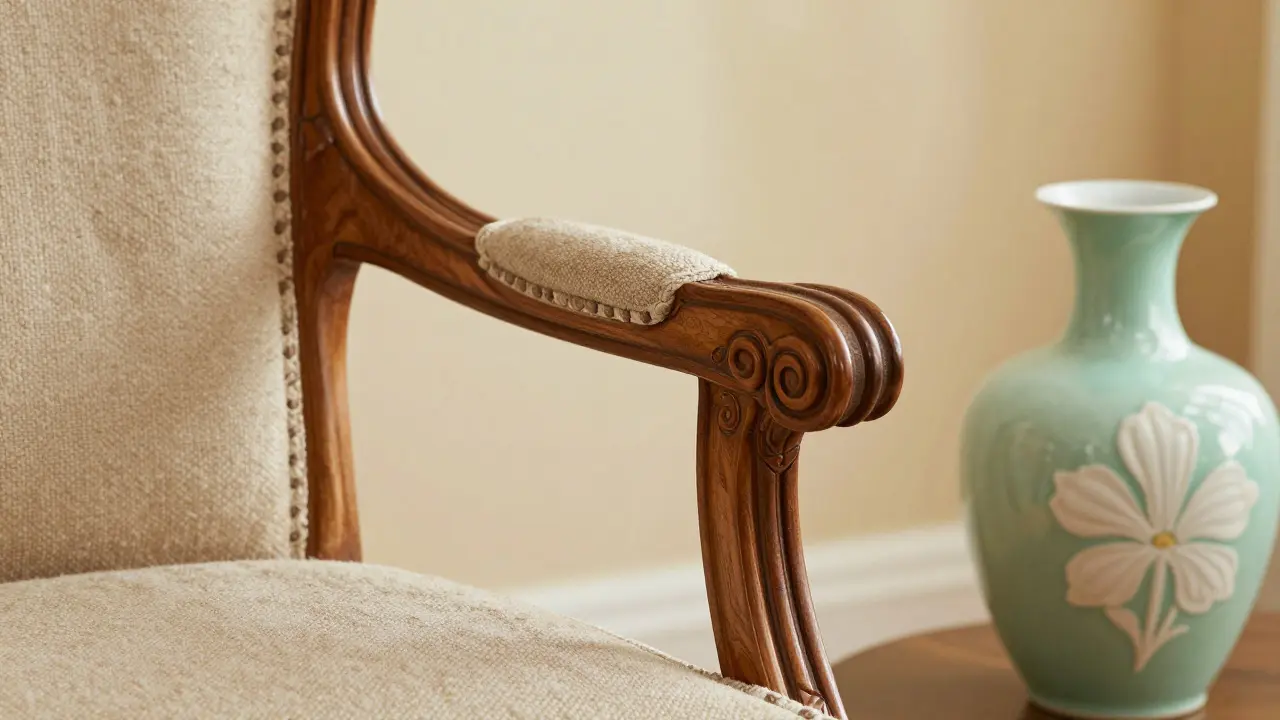
Rococo is not just visual; it is tactile. The original style relied heavily on luxurious textiles like brocade, damask, and silk. In modern applications, you can achieve similar effects with more accessible materials. Velvet is a top choice because it absorbs light, creating depth and shadow that mimic the intricate carving of wood.
Mix textures to avoid a flat appearance. Pair smooth lacquered surfaces with rougher natural elements like rattan or linen. For example, a chair with a curved wooden frame could be upholstered in textured boucle fabric. This combination respects the Rococo form while feeling grounded in contemporary material culture.
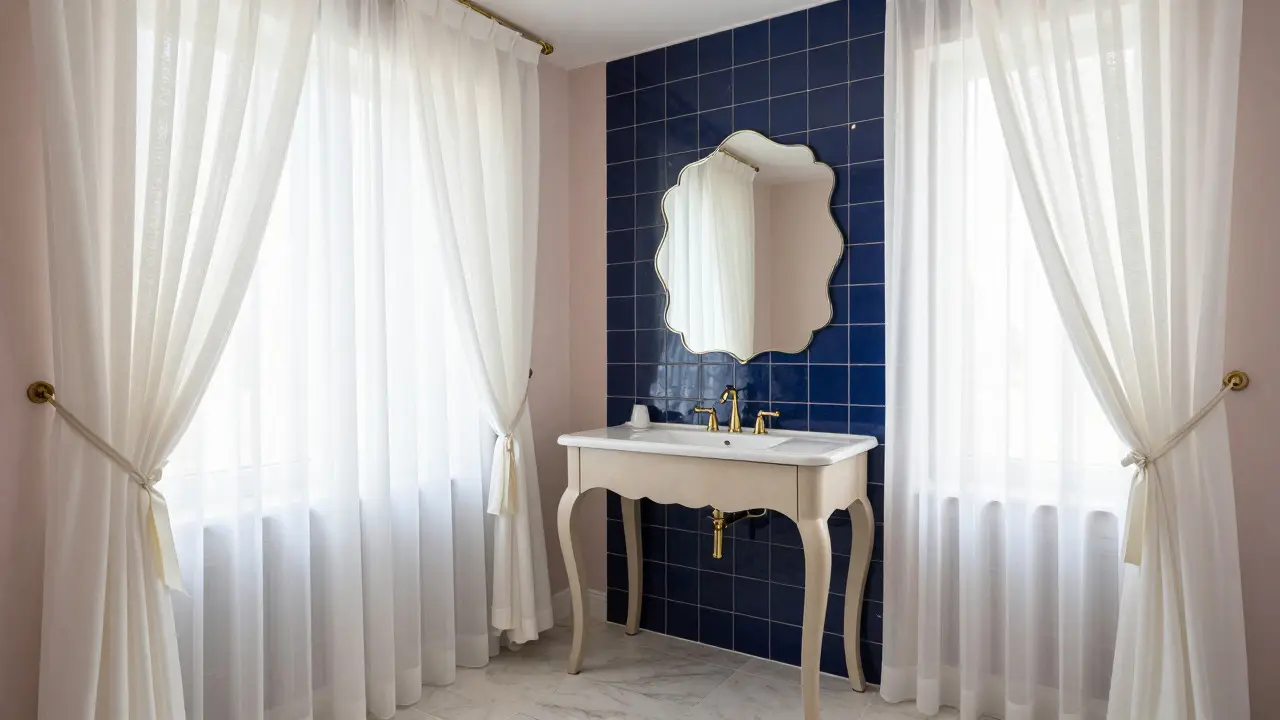
Don’t forget about window treatments. Heavy drapes with swags and tails are classic Rococo, but they can block out too much light in small apartments. Opt for sheer curtains layered over blackout blinds. Add tie-backs shaped like ribbons or bows to hint at the style without committing to the full theatrical look.
Common Pitfalls to Avoid
Even experienced designers stumble when working with Rococo. Here are three common errors and how to fix them:
- Over-accessorizing: The urge to fill every surface with trinkets is strong. Resist it. Choose two or three statement pieces-a gilded mirror, a ceramic vase, a sculptural lamp-and leave the rest open. Negative space is essential for highlighting curves.
- Ignoring Scale: Large Rococo-style furniture can overwhelm a small room. Measure carefully. If you love a specific design, look for scaled-down versions or opt for smaller accessories that echo the larger forms.
- Mixing Styles Randomly: Combining Rococo with Industrial or Scandinavian styles can work, but only if done intentionally. Don’t pair a curly-legged chair with a raw steel pipe shelf unless you have a clear vision. Ensure there is a unifying element, such as color or texture, that ties the disparate styles together.
Where to Find Authentic Pieces
If you’re ready to start shopping, know where to look. High-end antique dealers offer genuine 18th-century pieces, but they come with high price tags and maintenance requirements. For most homeowners, reproduction furniture from brands specializing in traditional styles is a better option. Look for companies that use sustainable woods and non-toxic finishes.
Online marketplaces also provide access to unique finds. Search for keywords like "Louis XV inspired" or "French provincial" to discover pieces that capture the essence of Rococo without the label. Thrift stores and estate sales are goldmines for smaller items like picture frames, candlesticks, and decorative boxes. With a little sanding and repainting, these can become custom accents that fit your modern space perfectly.
Remember, the goal isn’t authenticity in the historical sense. It’s authenticity in emotion. Does the piece make you smile? Does it invite you to sit down and stay awhile? If yes, it belongs in your home, regardless of its age or origin.
Is Rococo suitable for small apartments?
Yes, absolutely. The key is restraint. Focus on architectural details like curved door frames or a single decorative wall rather than filling the space with large, ornate furniture. Light colors and mirrors will help maintain a sense of openness.
How do I mix Rococo with minimalist decor?
Use the "one focal point" rule. Keep your furniture simple and clean-lined, then introduce one Rococo element, such as a sculptural mirror or a curved console table. This creates a sophisticated contrast that feels intentional rather than cluttered.
What colors go best with Rococo furniture?
Traditional pastels like blush pink, mint green, and sky blue are safe choices. However, for a modern twist, pair Rococo pieces with deep jewel tones like emerald green or navy blue. Metallic accents in gold or brass work well with both palettes.
Can I use Rococo in a bathroom?
Bathrooms are ideal for Rococo touches because they are often small and benefit from decorative mirrors and vanities. Look for vanities with curved legs and ornate hardware. Use marble or stone countertops to add luxury without overwhelming the space.
Is Rococo considered outdated?
Not anymore. While pure historical Rococo fell out of favor in the late 19th century, its principles of playfulness and craftsmanship are experiencing a resurgence. When adapted with modern materials and layouts, it feels fresh and relevant.