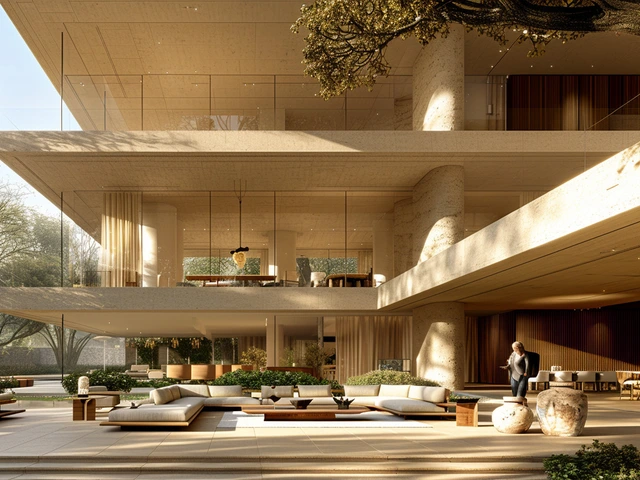
Ever walk into a huge, open-concept room and feel like you're standing in a gymnasium? It's a common problem. We love the idea of a space where the kitchen, dining, and living areas all blend together, but without the right anchor, these rooms feel cold and cavernous. That's where mid-century modern is an interior design movement that peaked between 1945 and 1969, characterized by clean lines, organic forms, and a focus on functionality. It isn't just a vintage trend; it's a strategic toolkit for making massive, open spaces feel intentional and cozy without sacrificing that airy feeling.
The Core Secret: Low Profiles and Visual Breathability
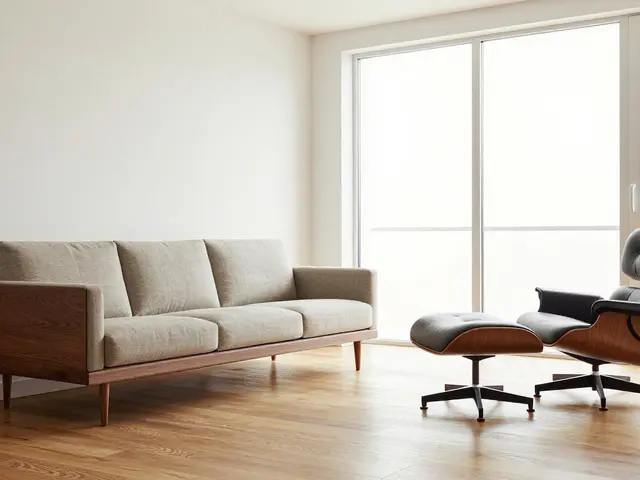
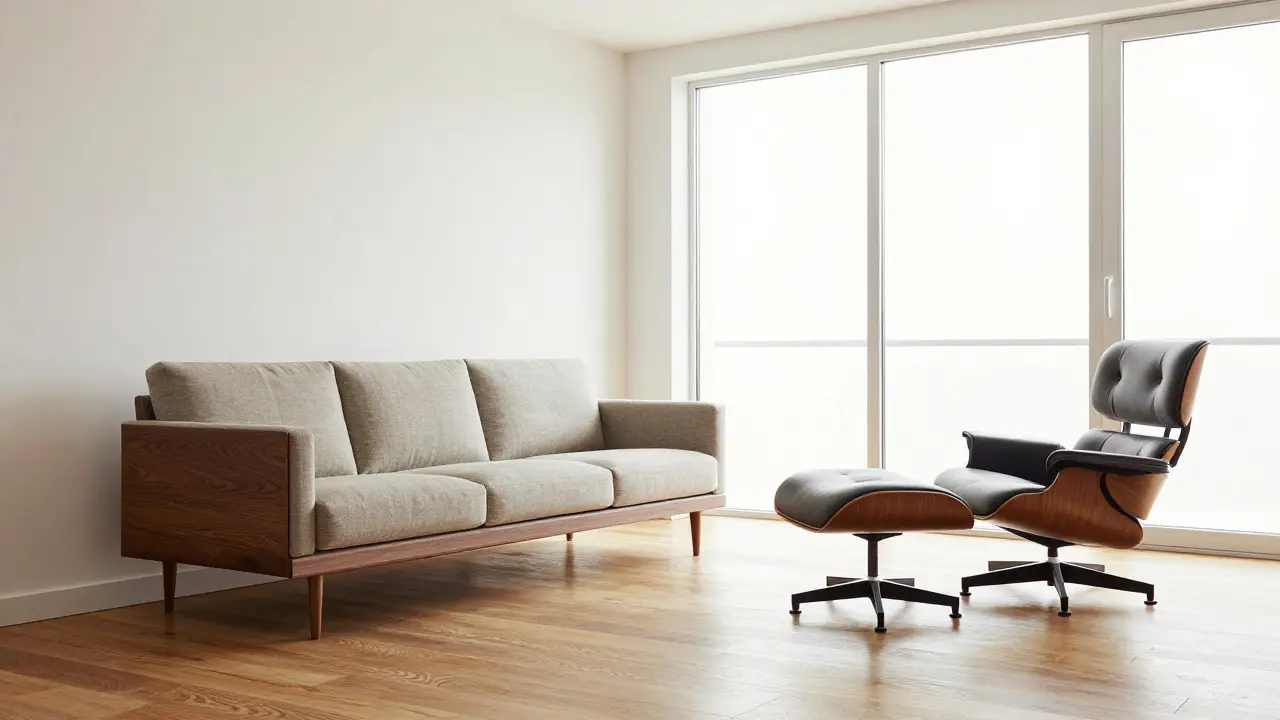
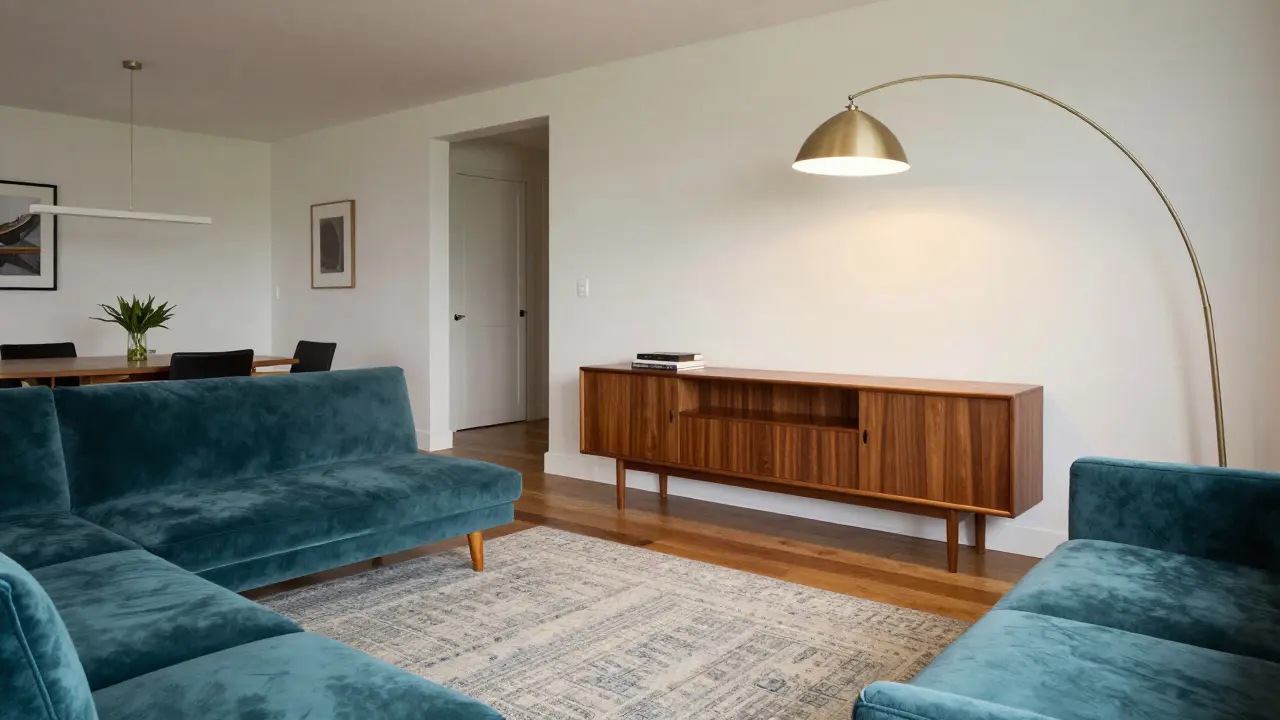
The biggest mistake people make in open-plan homes is buying "overstuffed" furniture. When you have a giant room, the instinct is to buy giant sofas to fill the space. But heavy, bulky furniture actually blocks the flow and makes the room feel cluttered, even if there's plenty of floor space. MCM furniture solves this because it prioritizes a low profile. Think about the iconic tapered legs on a sideboard or the slim frame of a lounge chair. Because you can see the floor extending underneath the furniture, your brain perceives the room as larger and more fluid.
Take the Eames Lounge Chair as an example. It's a substantial piece of furniture, but its angled silhouette and lifted base prevent it from feeling like a wall of fabric. When you use pieces with a smaller footprint and exposed legs, you create "visual breathability." This means the eye can travel across the room without hitting a heavy obstacle every few feet, which is exactly what an open-plan layout requires to feel successful.
Defining Zones Without Building Walls
How do you tell where the living room ends and the dining room begins when there are no walls? In a traditional home, the architecture does the work. In an open-plan home, the furniture has to do it. Mid-Century Modern design excels at "zoning" through the use of geometry and placement. Instead of using a giant wall-to-wall carpet, MCM style encourages the use of area rugs to create distinct "islands" of activity.
Imagine a plush, geometric-patterned rug under a low-slung sectional. That rug acts as a psychological boundary. It tells your guests, "This is the relaxation zone," while the bare hardwood floor around it indicates a transition area. You can further define these spaces by using a Sideboard-a long, low storage unit-as a divider. Placing a sideboard perpendicular to the wall can create a soft partition between a kitchen and a living area without blocking the light or the conversation.
| Feature | Traditional Heavy Design | Mid-Century Modern Approach |
|---|---|---|
| Furniture Silhouette | Bulky, overstuffed, hidden legs | Sleek, tapered legs, low profile |
| Space Perception | Feels crowded or "filled" | Airy, breathable, fluid |
| Zoning Method | Physical walls or large dividers | Area rugs and strategic furniture placement |
| Material Focus | Heavy fabrics, dark ornate woods | Teak, walnut, molded plastic, leather |
Bringing the Outside In with Organic Modernism
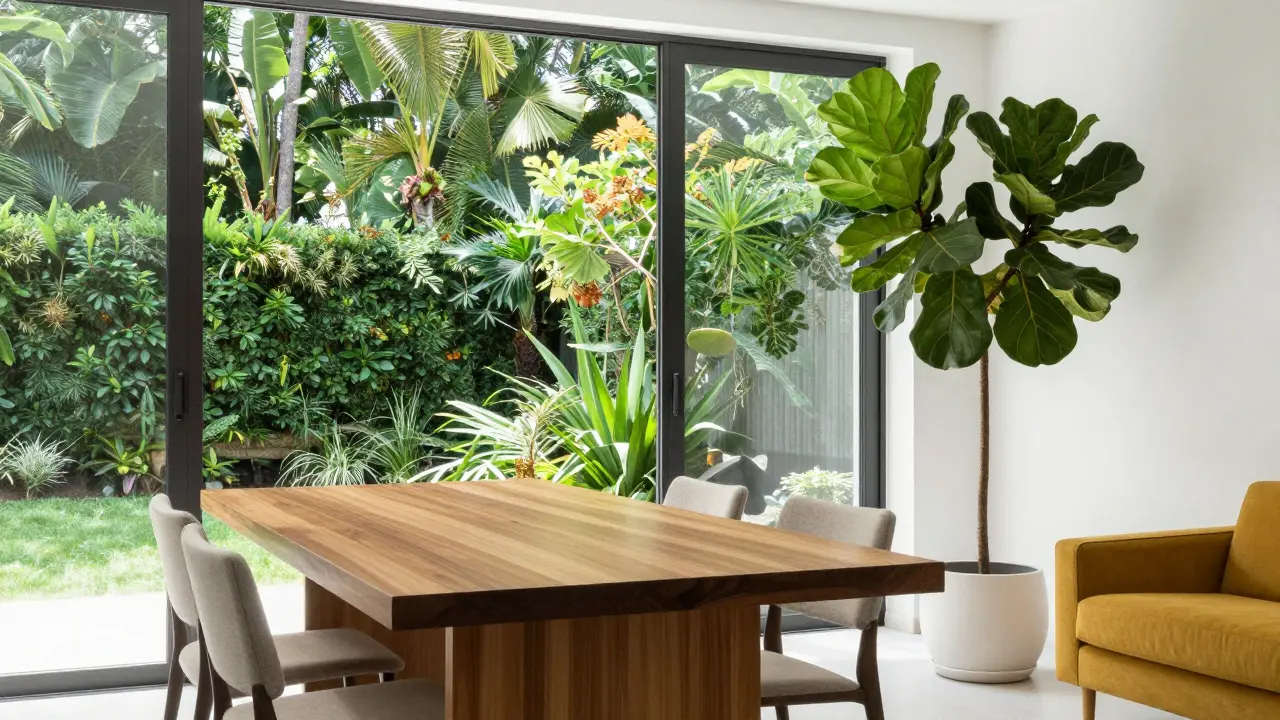
Open-plan living is usually paired with large windows and sliding glass doors to maximize natural light. This is where Organic Modernism-a subset of the MCM movement-really shines. The philosophy here is that the transition between the indoor environment and the natural world should be seamless. If you have a great view of a garden or a city skyline, you don't want furniture that competes with it.
Using natural materials like Teak or walnut creates a bridge between the sterile nature of modern drywall and the raw beauty of the outdoors. When you pair a smooth wooden dining table with a few large leafy plants (like a Fiddle Leaf Fig or a Monstera), you're not just decorating; you're extending the landscape into your living room. This prevents the "big box" feeling of open-plan architecture and makes the space feel like a sanctuary rather than a showroom.
The Balance of Form and Function
One of the biggest traps of open-plan living is the "clutter creep." Because there are fewer rooms to hide things in, a messy kitchen or a pile of mail on the counter becomes the focal point of the entire floor. The MCM mantra of "form follows function" is a lifesaver here. Every piece of furniture in this style is designed to be useful first. You won't find much "filler" furniture in a true mid-century home.
For example, instead of a bulky coffee table that takes up half the room, an MCM Pebble Coffee Table provides a surface for drinks and books while occupying a minimal visual footprint. Storage is also handled smartly. Integrated shelving and floating cabinets keep the floor clear, which is a psychological trick that makes an open room feel organized. When everything has a designated, sleek place to live, the open-plan layout looks curated rather than chaotic.
Color Palettes That Unify and Contrast
In a closed-off house, you can paint every room a different color. In an open-plan space, you need a cohesive palette, or the room will feel like a fragmented mess. MCM design uses a brilliant combination of neutral bases and "pops" of saturated color. Start with a neutral foundation-think whites, soft greys, or warm beiges-to keep the space feeling bright and expansive.
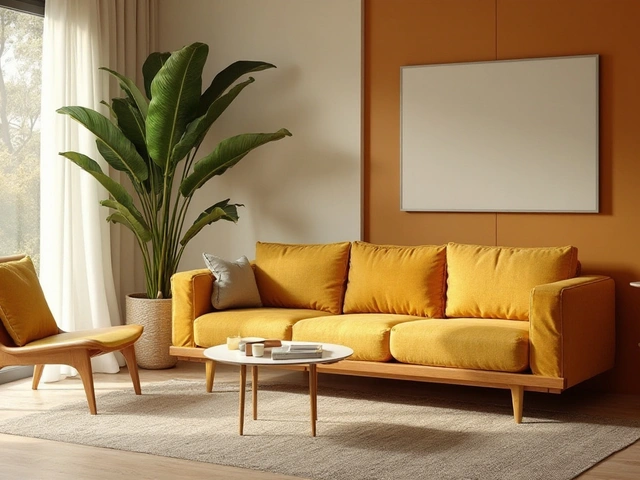
Then, introduce a bold accent color. A mustard yellow armchair, a teal blue velvet sofa, or a burnt orange throw pillow. Because the furniture lines are so clean and simple, these bold colors don't feel overwhelming; they feel like focal points. This technique allows you to create a visual identity for different areas. Your "reading nook" might be identified by a deep forest green chair, while your "dining area" is highlighted by a series of orange pendant lights. It gives the eye a place to land and helps the brain categorize the different uses of a single large room.
Practical Tips for Implementing MCM in Your Space
If you're staring at a wide-open living area and don't know where to start, don't try to buy a complete matching set. Nothing kills the vibe of a home faster than a showroom-perfect furniture set. The best MCM rooms feel like they've been collected over time. Mix a few authentic vintage pieces with modern reproductions to keep the look fresh.
- Start with the Anchor: Buy your largest piece first-usually the sofa. Choose a neutral tone with tapered legs to set the scale for the rest of the room.
- Layer Your Lighting: Open plans often have one giant, depressing overhead light. Replace it with multiple light sources. Use an Arc Lamp to curve over your seating area, creating a "ceiling" of light that makes the zone feel intimate.
- Contrast Textures: To avoid a "cold" feel, mix materials. Pair a smooth plastic Eames-style chair with a chunky knit wool rug and a warm walnut table.
- Leave Negative Space: Resist the urge to fill every corner. The beauty of MCM is the air around the objects. If you can't walk comfortably around a piece of furniture, it's too big for the space.
Is mid-century modern design too expensive for a regular home?
Not at all. While original designer pieces from the 50s can cost thousands, the "look" is very accessible. You can find high-quality reproductions and contemporary "MCM-inspired" furniture at many mid-range retailers. The key is focusing on the silhouette-tapered legs and clean lines-rather than the brand name.
Will MCM furniture make my open-plan room look too empty?
Actually, it does the opposite. Because MCM furniture has a smaller visual footprint, it creates the illusion of more space. If the room feels too empty, the solution isn't bigger furniture, but more "layers." Add a large indoor plant, a gallery wall of art, or a textured area rug to fill the void without blocking the flow.
How do I mix mid-century modern with other styles?
It pairs beautifully with Industrial or Scandinavian styles. For an Industrial mix, pair your walnut MCM table with metal chairs. For a Scandi vibe, stick to lighter woods and a more muted color palette. The trick is to keep one element consistent-like the leg style or the color family-so the room feels cohesive.
What are the best colors for an open-plan MCM living room?
Go for a base of cream, white, or light grey to maximize light. Then, add one or two "signature" MCM colors. Classic choices include avocado green, mustard yellow, burnt orange, or deep teal. Use these on accent chairs, cushions, or a single piece of art to create a focal point.
Do I need to replace all my current furniture to achieve this look?
Definitely not. You can transition your space by replacing one or two key pieces. Swap out a heavy coffee table for a sleek wooden one, or replace a bulky armchair with something on legs. Adding a few MCM-style accessories, like a geometric clock or a tapered-leg side table, can shift the whole mood of the room.