Picture a home with warm, sun-baked walls, arched doorways, and terracotta tiles that seem to glow against the blue sky. This isn't just a scene from a postcard; it is the essence of Mediterranean Revival architecture, a style that brings the relaxed elegance of Southern Europe and North Africa directly into your neighborhood. Whether you are looking to buy a historic property in California or Florida, or simply want to understand the design cues that make these homes so timeless, knowing what defines this style is key.
This architectural movement didn't happen overnight. It was born out of a desire to escape the industrial grit of the early 20th century and reconnect with a lifestyle perceived as slower, more artistic, and deeply connected to nature. Today, we see why this blend of cultures remains one of the most sought-after residential styles in the United States.
The Roots of a Cultural Blend
To understand Mediterranean Revival, you have to look at where its DNA comes from. It is not a single, rigid style but rather a fusion of several distinct traditions. The primary influences include Spanish Colonial, Italian Renaissance, and Moorish (North African) designs.
In the late 19th and early 20th centuries, American architects and developers began looking south for inspiration. They were captivated by the climates and cultures of Spain, Italy, and Morocco. This interest peaked during the Panama-California Exposition of 1915 in San Diego. Architect Bertram Goodhue designed the exposition buildings using these eclectic Mediterranean motifs, and the public fell in love. Suddenly, having a home that looked like it belonged in Seville or Florence became a status symbol for the wealthy.
The style spread rapidly along the coasts of California, Florida, and Arizona. These regions shared similar climates-hot summers and mild winters-which made the thick walls and small windows of Mediterranean homes practical, not just pretty. As the automobile made travel easier, people began moving to these warmer states in droves, bringing the demand for this aesthetic with them.
Key Design Elements You Can Spot From the Street
If you walk through a neighborhood featuring Mediterranean Revival homes, you will notice certain repeating patterns. These elements are not random; they serve specific functional purposes while creating a cohesive visual language.
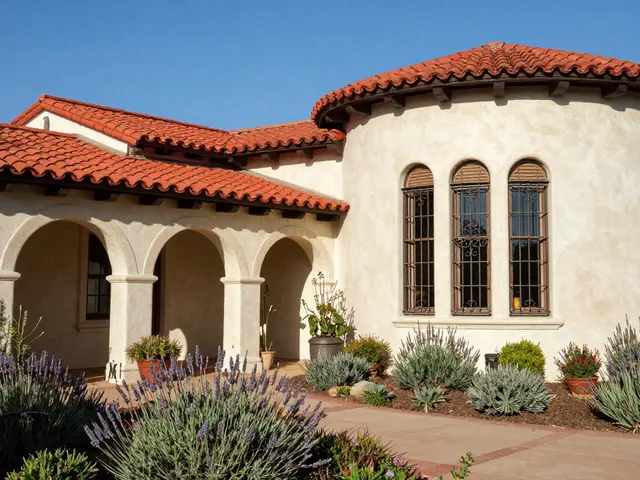
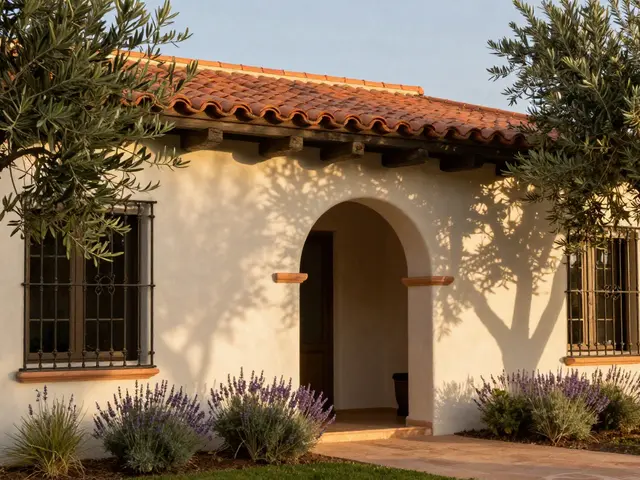
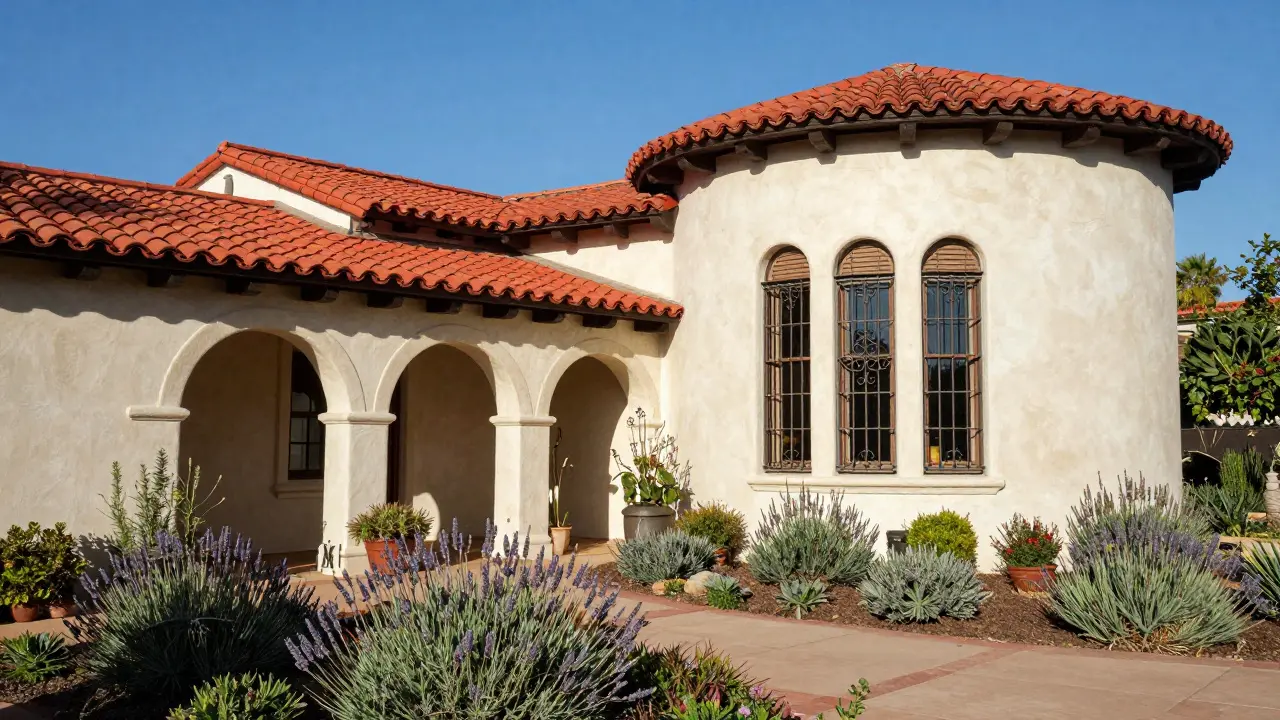
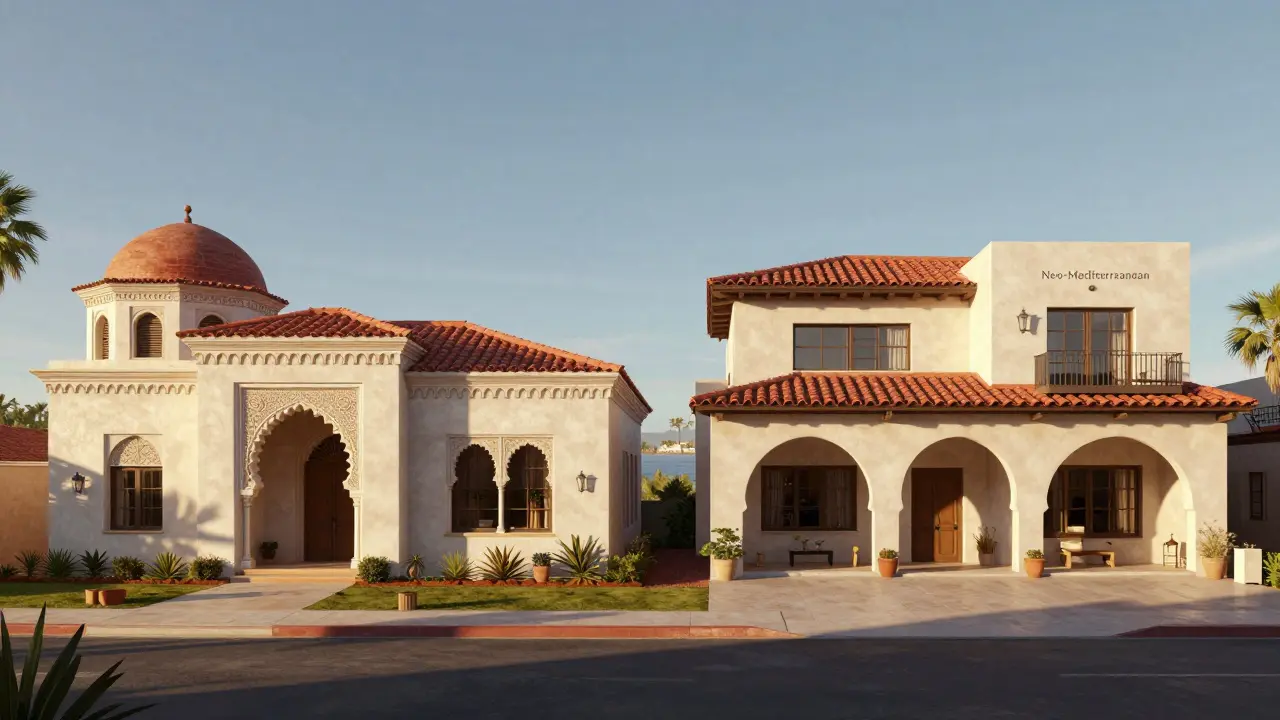
- Stucco Walls: Perhaps the most recognizable feature is the smooth, plastered exterior. Stucco is durable, fire-resistant, and reflects heat, keeping interiors cooler. It usually appears in warm earth tones like cream, yellow, or terracotta.
- Red Tile Roofs: Low-pitched roofs covered in curved clay tiles (often called Mission-style or barrel tiles) are iconic. These tiles interlock to shed rain efficiently and add texture to the skyline.
- Arches: Look for rounded arches over doors, windows, and entryways. These arcs soften the structure’s lines and echo the Roman and Moorish heritage of the style.
- Courtyards and Patios: Many homes feature an interior courtyard or a large rear patio. This creates a private outdoor living space, essential for enjoying warm weather without sacrificing privacy.
- Ironwork: Decorative wrought iron is used extensively for window grilles, balcony railings, and light fixtures. It adds intricate detail and security.
- Tall Windows: While some windows are small for shade, others are tall and narrow, often grouped together to frame views and let in light.
These features work together to create a sense of mass and solidity. Unlike the verticality of Gothic Revival or the symmetry of Georgian styles, Mediterranean Revival feels grounded and organic.
| Feature | Spanish Colonial Revival | Italianate/Moorish Influence |
|---|---|---|
| Roof Shape | Low-pitched, red clay tiles | Varied; sometimes flat or hipped |
| Exterior Finish | Smooth stucco | Stucco or rough-cast stone |
| Ornamentation | Simple, clean lines | More elaborate carvings, domes |
| Windows | Rounded arches, wooden shutters | Pointed or horseshoe arches, stained glass |
Life Inside a Mediterranean Home
Stepping inside, the transition from the rugged exterior to the refined interior is striking. The layout often centers around a grand hallway or a central courtyard, which acts as the heart of the house. This design promotes natural ventilation, allowing breezes to flow through the home-a crucial feature before air conditioning became standard.
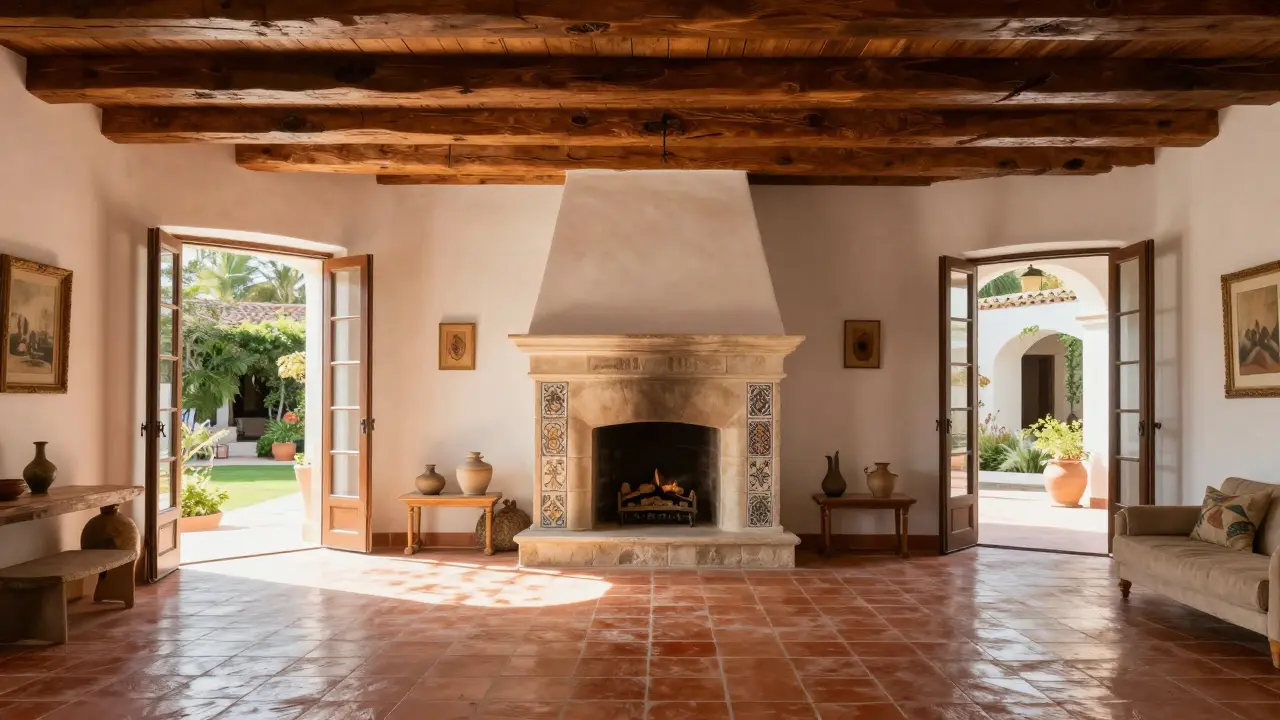
Floors are typically tiled with ceramic or terracotta, which stay cool underfoot. Wood beams, often left exposed on ceilings, add warmth and rustic charm. Fireplaces are common focal points in living rooms, crafted from stone or tile and built to be both functional and decorative.
The connection between indoor and outdoor spaces is seamless. Large French doors open onto patios, blurring the line between the living room and the garden. This integration encourages an al fresco lifestyle, where dining and socializing move outside whenever the weather permits.
Why This Style Endures in Modern Design
You might wonder if a style rooted in the 1920s still holds up today. The answer is yes, and here is why. Mediterranean Revival aligns perfectly with modern values of sustainability and wellness. The thermal mass of stucco and tile helps regulate temperature, reducing energy costs. The emphasis on outdoor living supports mental health and community interaction.
Furthermore, the style is incredibly adaptable. Modern interpretations, often called "Neo-Mediterranean," simplify the ornamentation while keeping the core elements. Clean lines, neutral palettes, and sustainable materials give these homes a fresh, contemporary feel without losing their historic soul. Developers in sunny states continue to build new communities in this style because buyers recognize its comfort and aesthetic appeal.
Maintaining Your Mediterranean Dream
Owning a Mediterranean Revival home comes with specific maintenance needs. Stucco, while durable, can crack over time due to settling or seismic activity. Regular inspections and prompt repairs prevent water intrusion, which can lead to mold or structural damage. Tile roofs require occasional replacement of broken tiles, but they can last for decades if cared for properly.
Landscaping is also part of the equation. Traditional plantings include drought-tolerant species like lavender, rosemary, and citrus trees. These plants thrive in dry conditions and complement the architecture’s color palette. Avoiding high-maintenance lawns in favor of xeriscaping not only honors the style’s origins but also conserves water.
Whether you are admiring these homes from the street or planning a renovation, understanding the principles of Mediterranean Revival architecture enriches your appreciation of how culture, climate, and creativity intersect in our built environment.
What is the difference between Mediterranean Revival and Spanish Colonial?
While often used interchangeably, Spanish Colonial Revival is a subset of the broader Mediterranean Revival style. Spanish Colonial focuses strictly on elements from Spain, such as simple stucco walls and red tile roofs. Mediterranean Revival incorporates additional influences from Italy, France, and North Africa, including more ornate details, domes, and varied roof shapes.
Where is Mediterranean Revival architecture most common in the US?
This style is predominantly found in California, Florida, and Arizona. Cities like San Diego, Los Angeles, Miami, and Phoenix have significant concentrations of these homes due to their similar climates to the Mediterranean region.
Is Mediterranean Revival architecture energy efficient?
Yes, naturally. The thick stucco walls and tile roofs provide excellent thermal mass, keeping homes cool in summer and warm in winter. Small windows reduce heat gain, and cross-ventilation designs promote airflow, reducing reliance on HVAC systems.
How much does it cost to maintain a Mediterranean Revival home?
Maintenance costs vary, but stucco and tile roofs are generally low-maintenance compared to wood siding or asphalt shingles. However, repairing cracked stucco or replacing specialized clay tiles can be expensive if done frequently. Regular upkeep prevents costly major repairs.
Can I add Mediterranean touches to a non-Mediterranean home?
Absolutely. You can incorporate elements like arched doorways, wrought iron light fixtures, terracotta floor tiles, and warm paint colors. Adding a courtyard or patio with drought-tolerant landscaping can also bring the Mediterranean vibe to any property.