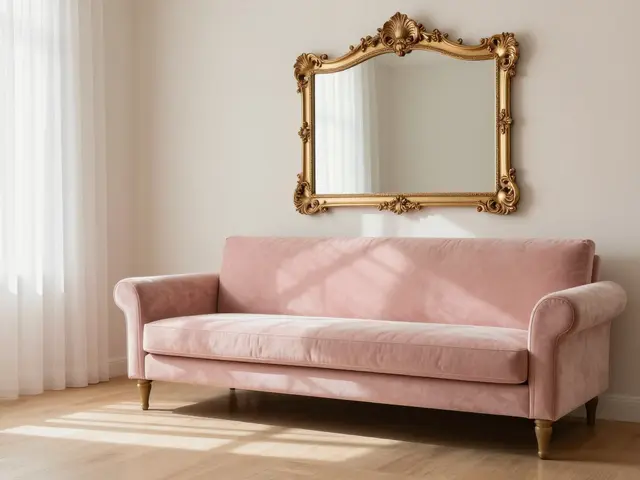
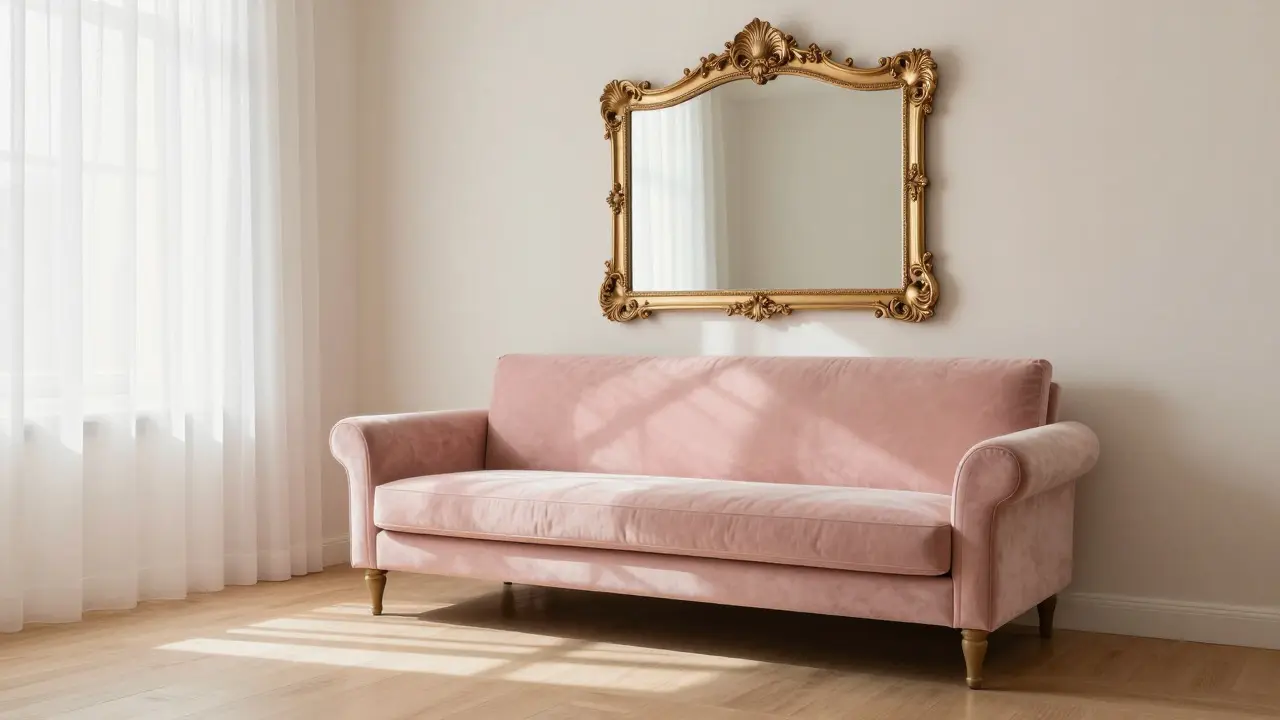
Most people think of Rococo as an 18th-century French decorative style known for its playful elegance, pastel colors, and intricate asymmetrical curves. It was popular during the reign of Louis XV and is often associated with luxury palaces like the Palace of Versailles. When you hear "Rococo," you probably picture heavy gold leaf, cherubs everywhere, and rooms that feel like they belong in a museum rather than a living space. But here’s the thing: you don’t need to turn your apartment into a historical reenactment to enjoy this aesthetic. You can pull off the charm of Rococo in a modern home without it feeling dated or overwhelming.
The secret lies in understanding what actually makes Rococo tick. It isn’t just about being fancy. It’s about lightness, movement, and natural forms. Unlike the heavier, more dramatic Baroque style that came before it, Rococo feels airy and intimate. If you’ve ever walked into a room that felt cozy yet sophisticated, with soft lighting and curved lines that guide your eye gently around the space, you’ve experienced the core appeal of Rococo. Today, we’re going to break down how you can bring those elements into your own home, step by step.
Understanding the Core Elements of Rococo Design
To use Rococo effectively, you first need to know what defines it. This style emerged in France in the early 1700s as a reaction against the rigid symmetry of Baroque architecture. While Baroque was all about power and grandeur, Rococo was about pleasure and comfort. Think smaller salons instead of massive halls. Think intimacy instead of awe.
The visual language of Rococo relies on several key features:
- Asymmetry: Unlike classical styles that rely on balanced mirrors images, Rococo embraces irregular shapes. A curve on one side might be echoed by a different curve on the other, creating a sense of organic flow.
- Natural Motifs: Look closely at Rococo details, and you’ll see shells (rocaille), acanthus leaves, flowers, and vines. These aren’t just decorations; they’re meant to mimic nature’s randomness.
- Pastel Color Palette: Soft pinks, mint greens, sky blues, and creamy whites dominate. Gold accents are used sparingly to highlight details, not overwhelm them.
- Curved Lines: Straight angles are rare. Furniture legs, mirror frames, and even ceiling moldings follow S-curves and C-scrolls.
When you understand these building blocks, you start seeing opportunities in your own home. Maybe your dining table has cabriole legs. Maybe your hallway mirror has a scalloped edge. Those are Rococo whispers waiting to be amplified.
Choosing the Right Colors for a Rococo-Inspired Room
Color sets the mood instantly. In Rococo interiors, color isn’t just decorative-it’s emotional. The goal is to create a space that feels uplifting and serene. Start with a base of pale neutrals. Cream, ivory, or very light gray work well because they reflect light and make small spaces feel larger.
Then layer in pastels. Mint green walls paired with blush pink upholstery create a soft contrast that’s easy on the eyes. Avoid saturated hues like bright red or electric blue-they clash with the delicate nature of the style. Instead, think watercolor tones. Imagine dipping a brush into diluted paint and letting it bleed softly across paper. That’s the vibe you want.
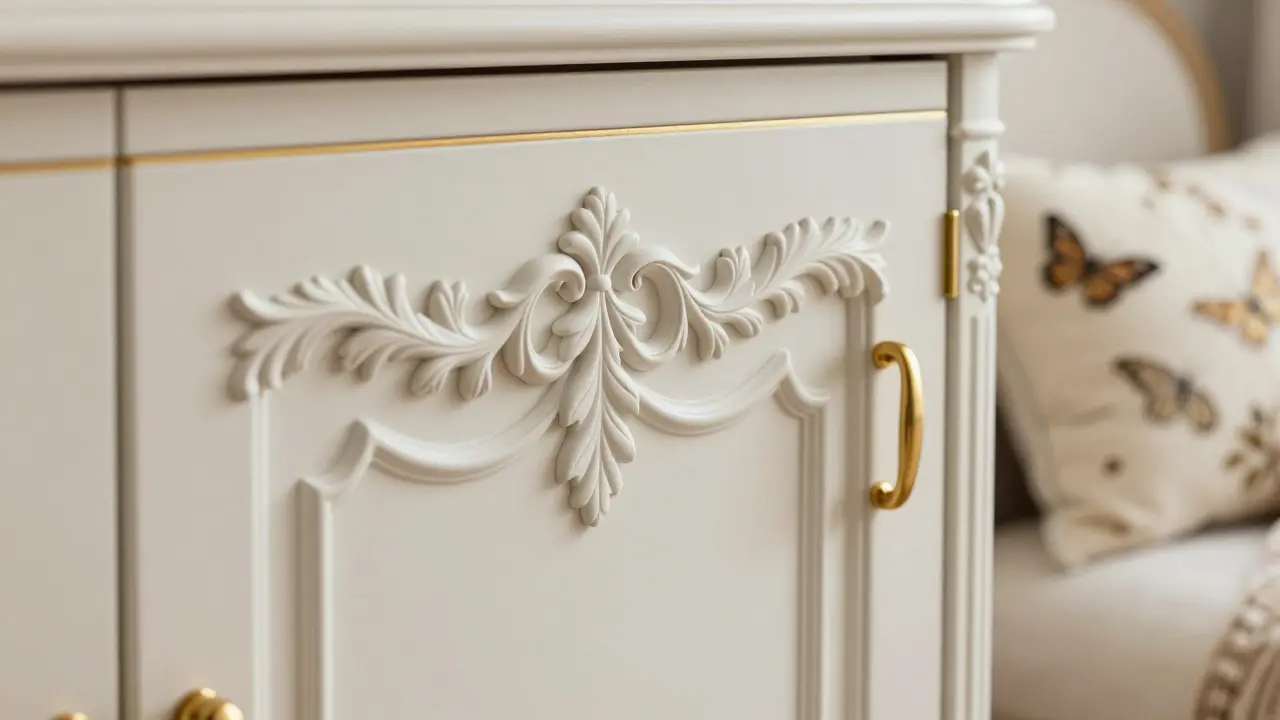
If you’re worried pastels will look too childish, add depth with metallics. Gold trim on window frames, brass handles on cabinets, or gilded picture frames ground the palette. Just keep the metal finishes warm and matte rather than shiny chrome. Chrome feels industrial; gold feels historic.
| Base Wall Color | Accent Color | Metal Finish | Best For |
|---|---|---|---|
| Cream | Mint Green | Antique Brass | Living Rooms |
| Ivory | Blush Pink | Gold Leaf | Bedrooms |
| Light Gray | Sky Blue | Satin Nickel | Bathrooms |
| Off-White | Lavender | Brushed Bronze | Dining Areas |
One pro tip: test your colors under different lighting conditions. Pastels can shift dramatically between morning sunlight and evening lamp glow. What looks soothing at noon might appear dull at night. Always sample large swatches before committing.
Selecting Furniture That Fits the Rococo Aesthetic
Furniture is where Rococo really shines-or fails. You don’t need to buy authentic 18th-century pieces, which are expensive and fragile. Instead, look for modern reproductions or vintage finds that capture the spirit of the style.
Start with seating. Sofas and armchairs should have rolled arms and tufted backs. Cabriole legs-those elegant curved legs that taper toward the floor-are essential. They give furniture a lifted, graceful appearance. Upholstery matters too. Choose fabrics like silk, velvet, or brocade in floral or damask patterns. Solid colors work if they’re rich enough to hold attention.
For tables, opt for oval or kidney-shaped designs. Rectangular tables feel too formal. Side tables with carved aprons and mirrored tops add sparkle without clutter. Mirrors themselves are crucial in Rococo design. They amplify light and create illusions of space. Look for frames with shell motifs or leafy carvings. Even a simple round mirror with a thin gold rim can evoke the right feeling.
Don’t forget storage. Cabinets and chests should feature curved doors and ornate hardware. Handles shaped like flowers or scrolls reinforce the theme. If you’re working with budget constraints, consider painting plain wooden furniture white and adding gold stenciled details along the edges. It’s a DIY hack that delivers high impact for low cost.
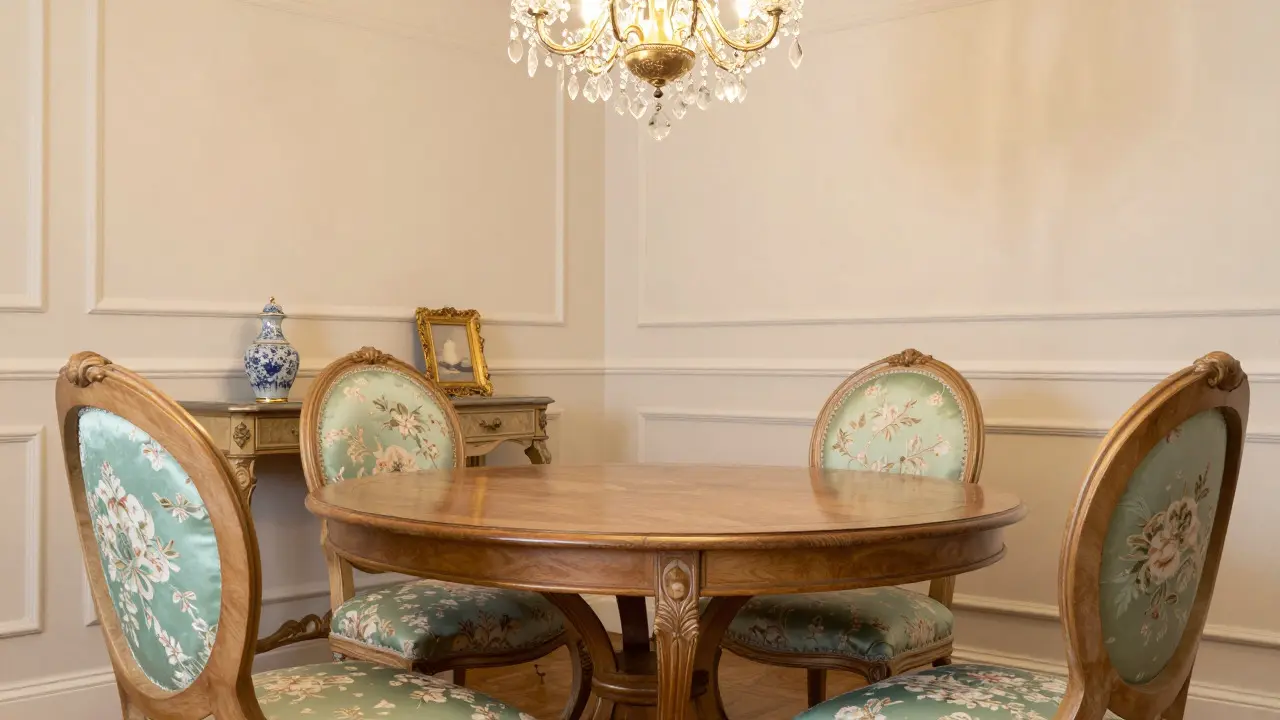
Incorporating Ornamentation Without Clutter
This is the trickiest part. Rococo loves decoration, but too much turns your home into a costume party. The key is restraint. Pick two or three focal points per room and let them shine.
Walls offer great potential. Consider installing wainscoting with raised panels painted in contrasting shades. Or apply removable wallpaper featuring subtle botanical prints. Ceiling medallions above chandeliers draw the eye upward and add architectural interest without taking up floor space.
Artwork should complement, not compete. Choose paintings in gilded frames with subjects like landscapes, portraits, or still lifes. Abstract art tends to disrupt the harmony unless it incorporates similar curvy lines. Sculptures of cherubs or mythological figures can serve as conversation pieces, but place them thoughtfully-not every shelf needs one.
Textiles provide another avenue for ornamentation. Draped curtains with tiebacks made of ribbon or cord soften windows. Throw pillows embroidered with vines or butterflies introduce texture. Rugs with Persian-inspired borders anchor the room while echoing traditional craftsmanship.
A common mistake is mixing Rococo with unrelated styles haphazardly. Pairing it with minimalist Scandinavian design creates cognitive dissonance. One says “less is more,” the other says “more is joyful.” Find middle ground by keeping backgrounds neutral and letting Rococo elements pop selectively.
Lighting Strategies for a Softer Glow
Light transforms any interior. In Rococo homes, illumination comes from multiple sources designed to cast gentle shadows and highlight textures. Chandeliers remain iconic. Crystal droplets refract light beautifully, creating rainbows across walls. However, oversized crystal fixtures can dominate small rooms. Opt for smaller candelabra-style lights with fewer arms.
Sconces mounted on either side of mirrors enhance symmetry while maintaining the illusion of balance through reflected light. Table lamps with fabric shades diffuse brightness further. Look for bases adorned with porcelain figurines or turned wood details.
Smart bulbs allow customization. Set them to warm white temperatures around 2700K-3000K for an inviting ambiance. Dimmers are non-negotiable. Being able to adjust intensity lets you transition from daytime functionality to nighttime romance seamlessly.
Consider hidden LED strips behind crown molding or under cabinetry. Indirect lighting adds layers without visible fixtures, preserving clean sightlines while enhancing depth.
Common Mistakes to Avoid When Decorating in Rococo Style
Even seasoned designers stumble when tackling Rococo. Here are pitfalls to watch out for:
- Overusing Gold: Too much gold looks tacky. Reserve it for highlights-frame edges, drawer pulls, lamp bases.
- Ignoring Scale: Large ornate furniture overwhelms compact rooms. Stick to proportionate pieces.
- Mixing Eras Randomly: Combining Rococo with Art Deco or Industrial styles rarely works. Stay consistent within periods.
- Neglecting Maintenance: Delicate surfaces scratch easily. Use coasters, placemats, and protective sprays regularly.
- Skipping Personal Touches: Don’t let trends dictate everything. Add family photos, travel souvenirs, or handmade crafts to personalize the space.
Remember, style evolves. Your interpretation of Rococo doesn’t have to match textbooks exactly. Blend influences subtly. Perhaps incorporate Japanese minimalism principles by leaving negative space open. Or mix African textiles for bold pattern contrasts. Creativity thrives within boundaries.
Where to Source Authentic-Looking Pieces
Finding quality Rococo-inspired items requires patience. Antique shops carry genuine artifacts, though prices vary widely based on condition and rarity. Online marketplaces like Etsy list handmade replicas crafted by artisans worldwide. Search terms like “Louis XV chair” or “French provincial cabinet” yield better results than generic queries.
Thrift stores occasionally hide treasures beneath dust covers. Inspect secondhand finds carefully for structural integrity. Refinishing old wood restores beauty inexpensively. Local carpenters may replicate custom pieces upon request, ensuring perfect fit and finish.
Department stores sometimes stock contemporary interpretations under labels such as “Romantic Classic” or “European Elegance.” Browse clearance sections during seasonal sales for discounts up to 50%. Always read return policies before purchasing online.
Is Rococo suitable for small apartments?
Yes, absolutely. Focus on vertical elements like tall mirrors and slender furniture. Light colors expand perceived space. Avoid bulky centerpieces that block pathways.
Can I combine Rococo with modern technology?
Definitely. Conceal TVs inside armoires with carved doors. Use smart speakers disguised as decorative objects. Technology shouldn’t detract from aesthetics-it should integrate invisibly.
What flooring works best with Rococo decor?
Hardwood floors in honey or walnut tones complement the warmth of the style. Area rugs with intricate patterns cover hard surfaces comfortably. Tile options include encaustic cement tiles with geometric-floral hybrids.
How do I maintain delicate Rococo furniture?
Dust weekly using microfiber cloths. Apply furniture polish quarterly to preserve wood luster. Keep away from direct sunlight to prevent fading. Repair chips promptly with matching filler kits.
Are there affordable alternatives to real gold leaf?
Yes. Spray paints labeled “metallic gold” mimic the effect reasonably well. Decoupage techniques using gold foil sheets offer precision control. Both methods require practice but deliver professional-looking outcomes.