The Spark of Architectural Emotionalism
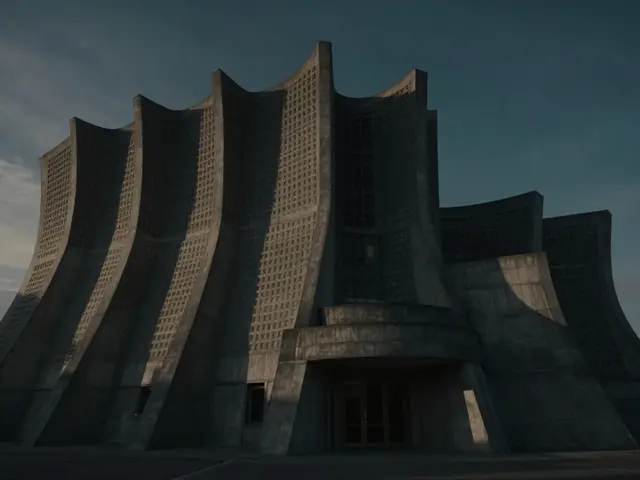
To understand where we are, we have to look at the early 20th century. Around the 1910s and 20s, architects grew tired of the rigid rules of neoclassicism. They didn't want their buildings to look like Greek temples anymore. Instead, they leaned into expressionist architecture is a style of architecture that emerged in the early 20th century, characterized by the use of distorted shapes, fragmented forms, and a focus on emotional impact over traditional structural logic. It was a reaction to the industrial world, which felt cold and mechanical. These designers wanted to inject soul and raw human emotion back into the skyline.
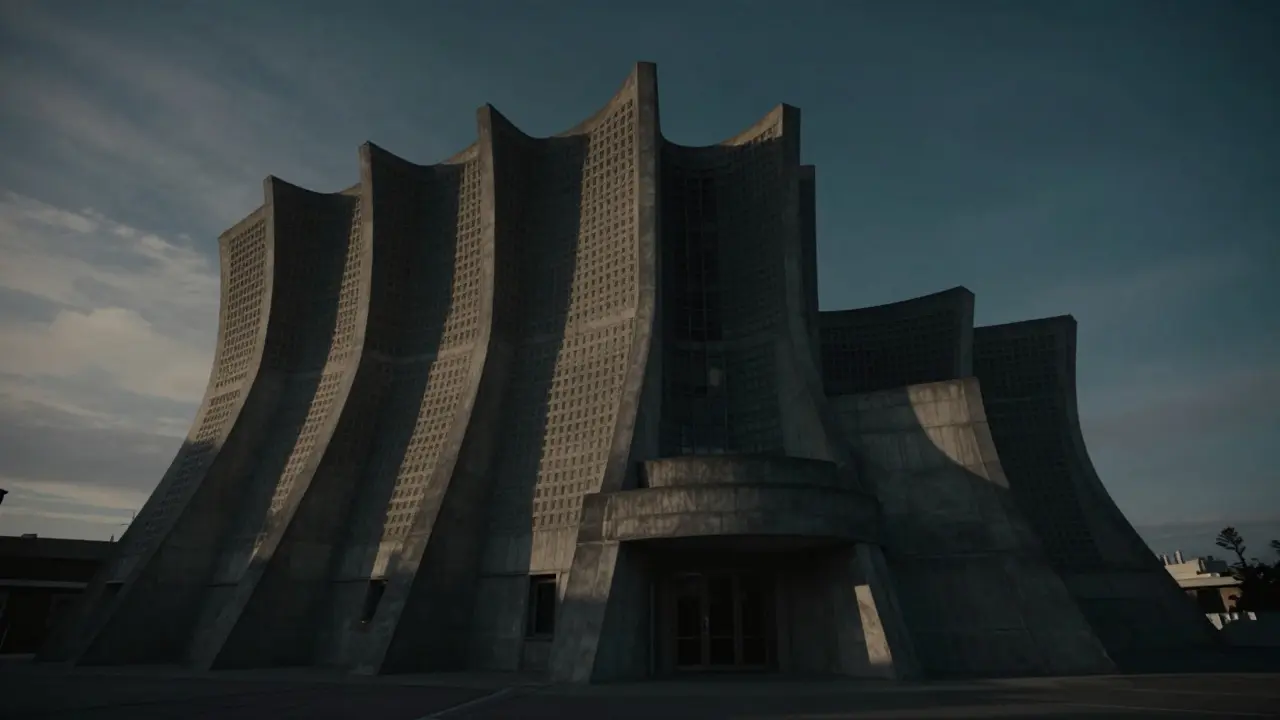
Think of it as the "anti-grid." Instead of right angles, they used sweeping curves and dramatic peaks. They weren't just building shelters; they were creating sculptures you could live in. This movement wasn't a single, unified school of thought, but rather a shared rebellion. It drew heavily from the Expressionist movement in painting and film-think of those tilted rooms and haunting shadows in early German cinema like "The Cabinet of Dr. Caligari." The goal was to make the viewer feel something, whether it was awe, anxiety, or spiritual transcendence.
The Visionaries Who Bent the Lines
You can't talk about this style without mentioning the people who actually dared to build it. Erich Mendelsohn was a titan here. He didn't just sketch buildings; he sculpted them. His work on the Einstein Tower in Potsdam is a masterclass in this. The building looks like it was molded from clay, with organic flows that make it feel alive. He moved away from the idea that a building is a collection of rooms and instead treated the entire structure as a single, fluid entity.
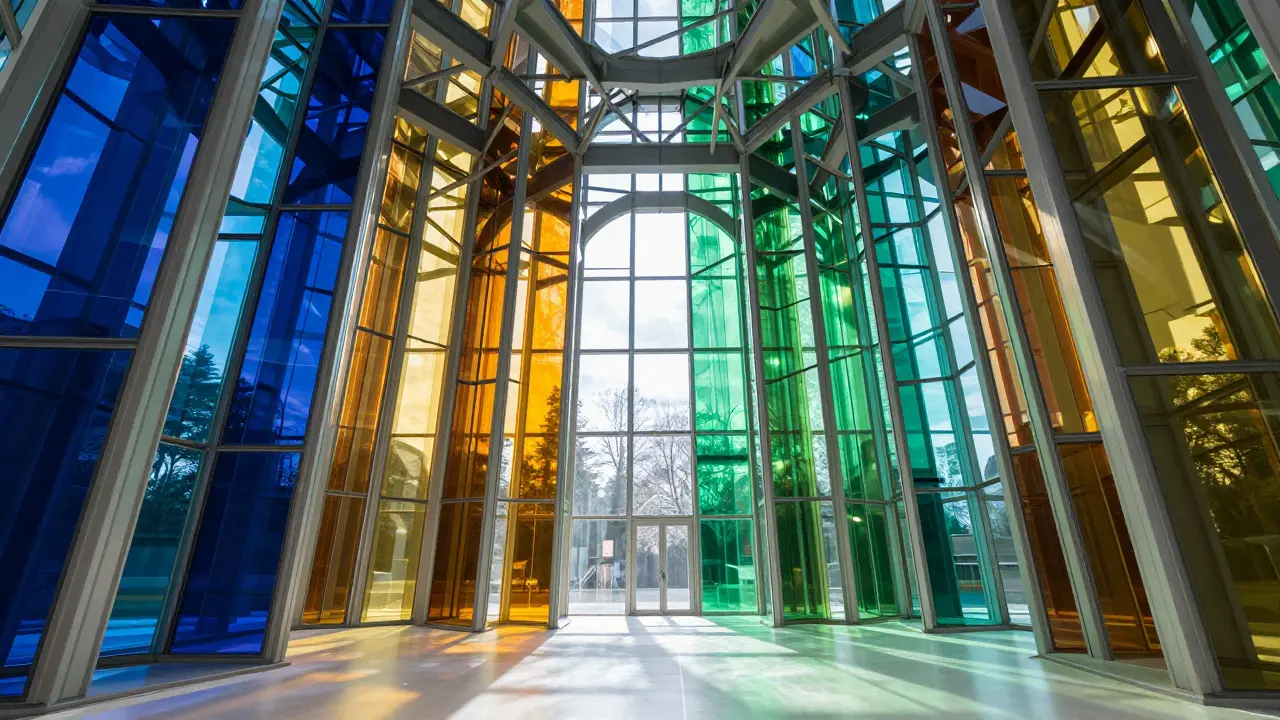
Then there was Bruno Taut, who obsessed over the emotional power of color and glass. His "Glass Pavilion" from 1914 wasn't just a house; it was a prismatic experience. Taut believed that glass could transform a society, creating a new, crystalline architecture that felt spiritual. These architects weren't interested in how many desks could fit on a floor; they were interested in how a space could change your mood. This shift from "utility" to "experience" is a direct ancestor to how we think about branding and "immersive environments" in modern retail and hospitality.
The Shift Toward Organic Forms
As the movement evolved, it bled into what we now call organic architecture. This is where the focus shifted from just "emotional distortion" to mimicking nature. Architects realized that nature doesn't use straight lines. A tree doesn't grow in a perfect cube. By studying the curves of shells, the veins of leaves, and the flow of water, they created structures that felt like they grew out of the ground rather than being plopped onto it.
This transition is vital because it paved the way for mid-century modernism's more adventurous side. When you see the undulating roof of the Sydney Opera House, you're seeing the ghost of expressionism. Even though Jørn Utzon was working decades later, the impulse to use a non-traditional, emotive shape to define a city's identity is pure expressionist DNA. It's the idea that a building can be a symbol of a city's ambition or spirit, rather than just a functional piece of infrastructure.
| Feature | Expressionism | Functionalism (International Style) |
|---|---|---|
| Primary Goal | Emotional impact & symbolism | Efficiency & utility |
| Typical Shapes | Curves, jagged peaks, fluid forms | Cubes, right angles, flat planes |
| Material Use | Experimental (Concrete, Glass, Steel) | Standardized (Steel, Glass, Concrete) |
| Philosophy | Artistic expression first | "Form follows function" |
Digital Tools and the Neo-Expressionist Revival
For a long time, expressionist designs remained rare because they were a nightmare to build. How do you calculate the load-bearing weight of a building that looks like a melting candle? You can't do it easily with a pencil and a slide rule. But then came Computer-Aided Design (CAD) and parametric modeling. Suddenly, the wildest dreams of the 1920s became mathematically possible.
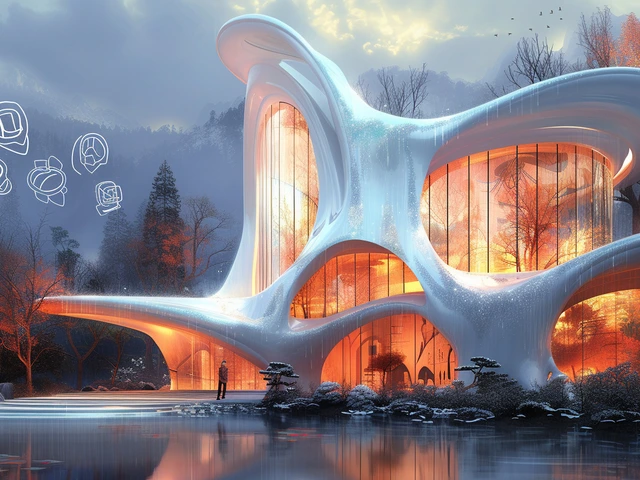
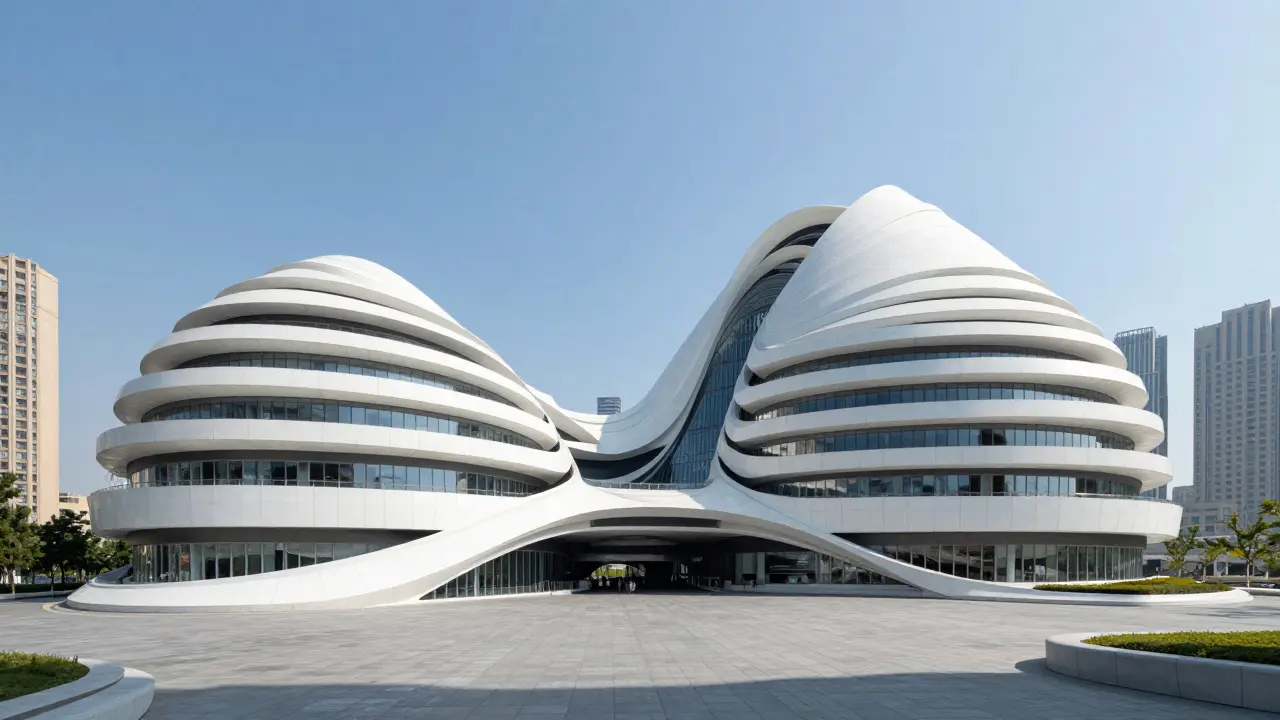
This is why we've seen a massive resurgence in "blobitecture"-those bulbous, curvy buildings that look like they're from a sci-fi movie. Architects like Zaha Hadid took the emotional core of expressionism and supercharged it with algorithms. Her buildings, like the Heydar Aliyev Center, use those same fluid lines and distorted perspectives to create a sense of movement. It's not just for show; it's designed to guide the human eye and body through a space in a way that feels natural and intuitive. We've moved from the "distorted" expressionism of the past to a "fluid" expressionism of the present.
The Psychological Impact on Urban Life
Why does this actually matter to the average person walking down the street? Because our environment dictates our mood. Living in a world of gray concrete boxes creates a psychological flatness. When we introduce expressionist elements-whether it's a weirdly angled roof or a sweeping facade-it wakes up the brain. It forces the pedestrian to engage with their surroundings rather than zoning out.
Modern urban planning is starting to realize that "efficiency" isn't the only metric that matters. We need "placemaking." This is the practice of creating spaces that people actually love and feel connected to. By borrowing from expressionism, designers can create landmarks that act as emotional anchors for a community. A building that looks like a piece of art becomes a point of pride for a neighborhood, turning a boring intersection into a destination. It proves that architecture can be an act of storytelling, where the building tells you something about who the people inside are or what they value.
Pitfalls of the "Emotional" Building
It's not all sweeping curves and artistic triumph, though. There's a dark side to the pursuit of expression. When the "look" of a building becomes more important than how it actually works, you get what critics call "starchitecture." This is when a world-famous architect designs a building that looks stunning in a photograph but is a disaster to actually use. Imagine a room with a slanted wall that makes it impossible to place a piece of furniture, or a glass curve that creates a greenhouse effect, making the interior unbearable in the summer.
The lesson from the early expressionists was balance. The best works, like the Einstein Tower, didn't just look weird for the sake of it; they reflected the *purpose* of the building. The tower was meant to house a solar telescope-the organic, flowing shape reflected the cosmic, fluid nature of the science happening inside. When modern architecture forgets this connection and treats the building as just a sculpture, it loses its soul. The impact of expressionism should be to enhance the human experience, not to make the human an afterthought in the architect's portfolio.
Practical Lessons for Today's Designers
If you're looking to bring a bit of this energy into a project today, you don't need to build a melting skyscraper. You can start with small, intentional disruptions of symmetry. Use lighting to create the kind of dramatic shadows that the early German expressionists loved. Instead of a standard rectangular room, consider a soft curve in a wall to guide the flow of traffic. The goal is to move away from the "default" and toward something that feels intentional and human.
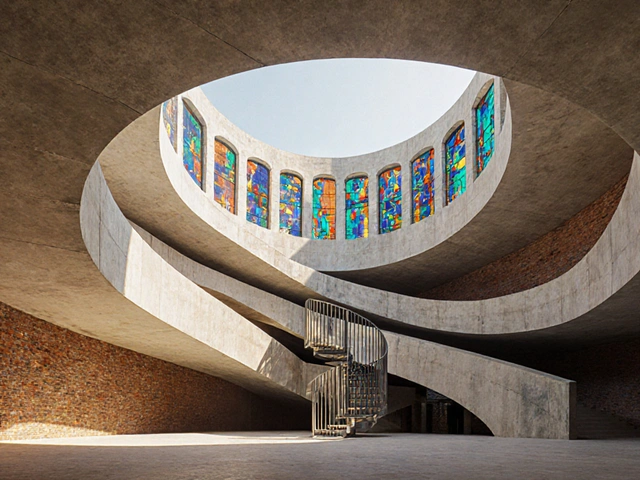
Focus on materiality. The early expressionists experimented with how different surfaces-rough concrete vs. smooth glass-could evoke different feelings. In a modern home or office, mixing raw, tactile materials with sleek, futuristic finishes creates that same tension between the organic and the industrial. It's about creating a conversation between the structure and the person inhabiting it.
Was expressionist architecture a formal school?
Not exactly. It was more of a shared artistic spirit and a set of common goals among architects in Europe, particularly Germany, during the early 20th century. Unlike the Bauhaus, which had a very specific curriculum, expressionism was more about individual artists pushing the boundaries of form and emotion independently.
How does it differ from Surrealism?
While both use distortion, Surrealism is more about the subconscious and the dream world-often creating nonsensical or impossible imagery. Expressionism is more about the *emotional* reaction to reality. It distorts the world to show how it *feels* internally, rather than trying to depict a literal dream.
Can you see expressionism in modern skyscrapers?
Yes, absolutely. Look for buildings that move away from the "box" shape. Any skyscraper with a twist, a wave, or an asymmetrical peak is using expressionist principles. The move toward these shapes is often driven by a desire to make a building a unique icon or "landmark" in a crowded city skyline.
What materials were most common in this style?
Early expressionists loved reinforced concrete because it allowed them to cast fluid, curved shapes that were impossible with stone or wood. Glass was also huge, especially for architects like Bruno Taut, who saw it as a way to bring light and spiritual clarity into a space.
Did the movement ever fully disappear?
It never really vanished; it just evolved. It was overshadowed for a while by the strict efficiency of the International Style (the era of the glass box), but it lived on through organic architecture and eventually exploded again with the arrival of digital design tools in the 1990s and 2000s.