
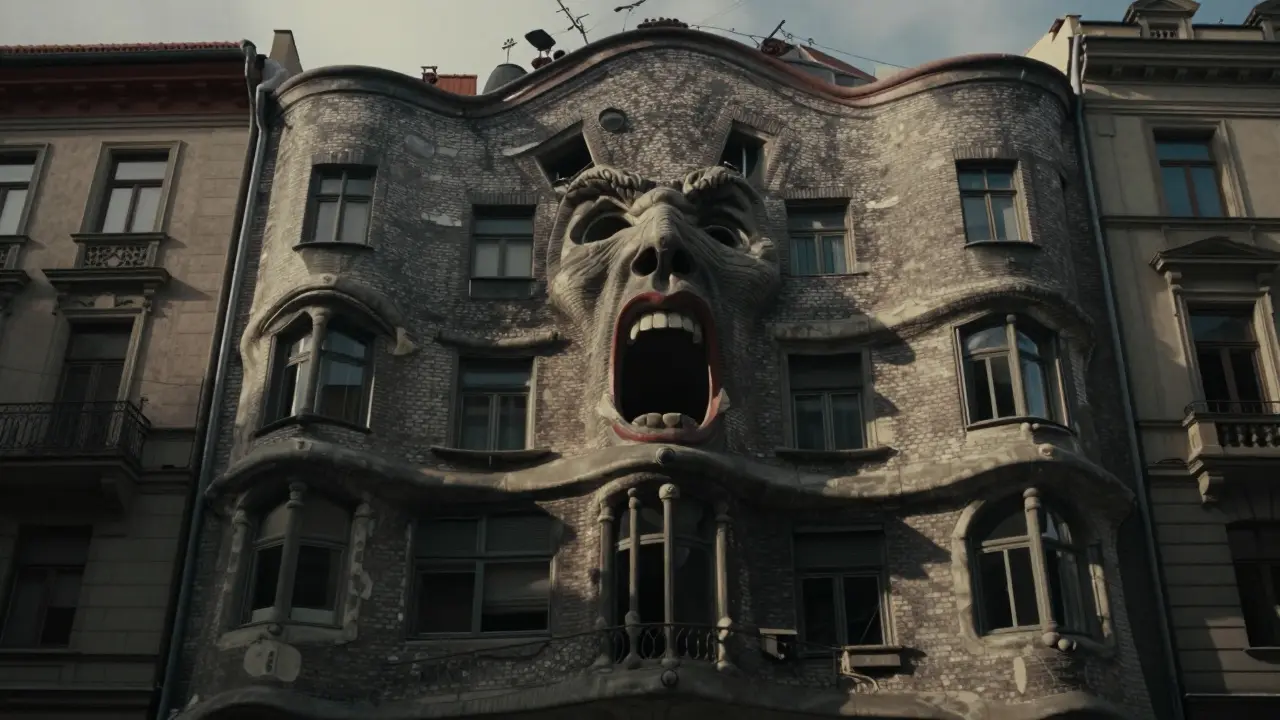
Explore the wild, emotional world of Expressionist Architecture. From the Einstein Tower to Frank Gehry's curves, discover how this style broke rules to prioritize feeling over function.
Expressionist architecture: bold, strange, emotional buildings
Ever seen a building that looks more like a sculpture than a house? That's expressionist architecture — architects pushing form to stir feelings, not just hold people. It exploded in the early 1900s, mostly in Germany, when designers wanted to break from classical order and reflect rapid social change.
Instead of flat boxes, expressionist buildings use curves, jagged angles, and unusual silhouettes. Materials range from brick and concrete to glass and tile, often treated in tactile ways so surfaces catch light and shadow. Architects aimed for drama: roofs that soar, windows that twist, facades that seem to move. The goal was emotional impact — to make you feel something as you walk by.
How to spot expressionist architecture
Look for organic or exaggerated shapes that ignore right angles. Notice if ornament feels carved or molded rather than applied. Brick expressionism is common: patterns, sculpted brickwork, and bold vertical lines. Also watch for sculptural entrances, narrow slit windows, and rooftop elements that read like crowns or waves. If a building makes you pause and ask "Why does that look like that?" you've probably found it.
Key names to remember: Erich Mendelsohn, Bruno Taut, and Hans Poelzig. Mendelsohn’s Einstein Tower in Potsdam bends concrete into a telescope-like form. Taut’s Glass Pavilion used light and color to shock visitors. Poelzig’s Großes Schauspielhaus embraced cavernous, organic interiors with hanging lamps and rough surfaces. In the Netherlands and northern Germany, the Amsterdam School and Brick Expressionism adapted those ideas into apartment blocks and banks, making everyday buildings feel dramatic.
Expressionism also mixed art and politics. After World War I, many architects wanted a new visual language to match social change. Some projects were utopian housing schemes; others were theaters or churches meant to unite communities through shared experience. That mix of idealism and theatrical design gives the movement its unpredictable character.
Using expressionist ideas today
You don’t need a weird façade to borrow from expressionism. Start small: bold entryways, curved interior walls, textured surfaces, or unexpected window shapes. Use light purposely — colored glass, angled skylights, and shadow patterns create mood. For gardens and public spaces, sculptural forms and seating can echo expressionist drama without breaking budgets. The point is emotion: design to make people feel curiosity, shelter, or awe.
Today, digital tools and new materials let architects echo expressionist drama without giant budgets. Parametric modeling makes complex curves buildable; engineered timber, fiber-reinforced concrete, and recycled panels cut costs and environmental impact. Small firms use CNC-cut screens and sculpted plaster to give façades movement. If you're working on a renovation, ask builders about these options — you might get a dramatic result that feels modern and true to expressionist spirit.
If you travel, visit Potsdam, Berlin, or Amsterdam to see classic examples. Closer to home, scan older neighborhoods for brickwork that doesn’t quite fit standard rows — those are often local takes on expressionist ideas. Take photos, sketch what surprises you, and think about how one bold detail could change a room or street.
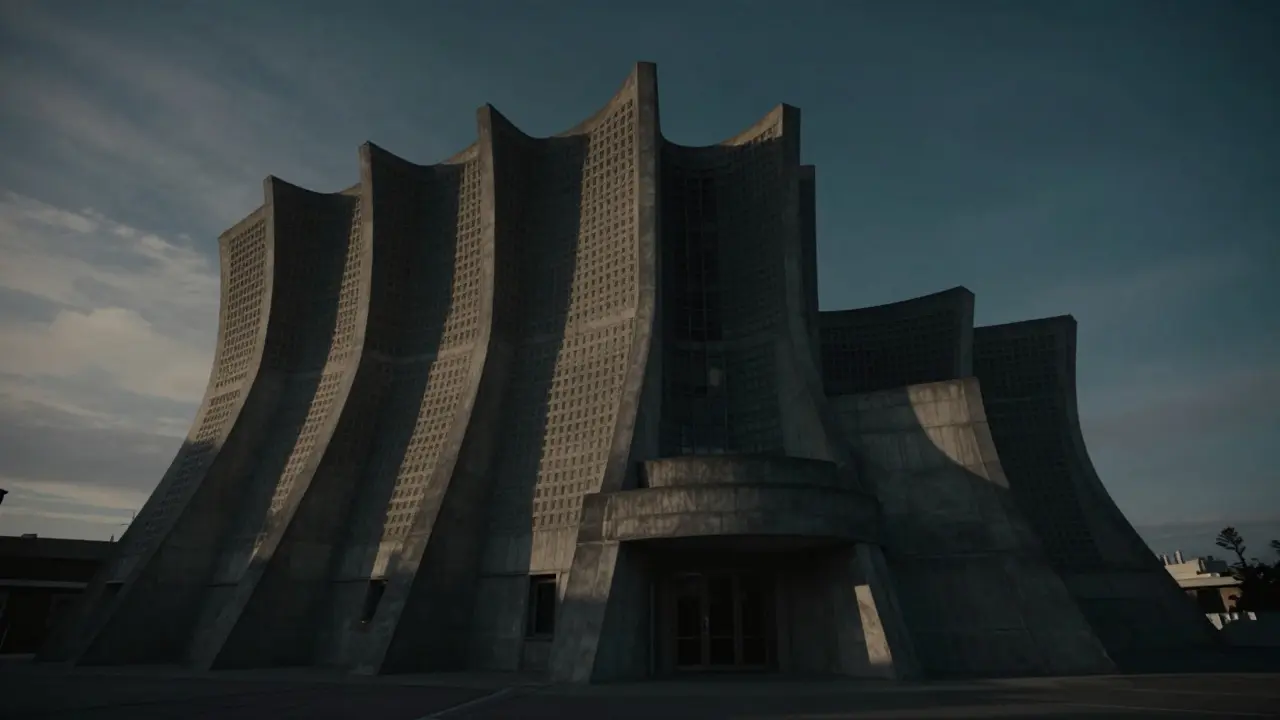
Explore how expressionist architecture broke the rules of design to prioritize emotion and organic forms, paving the way for modern landmarks and digital architecture.
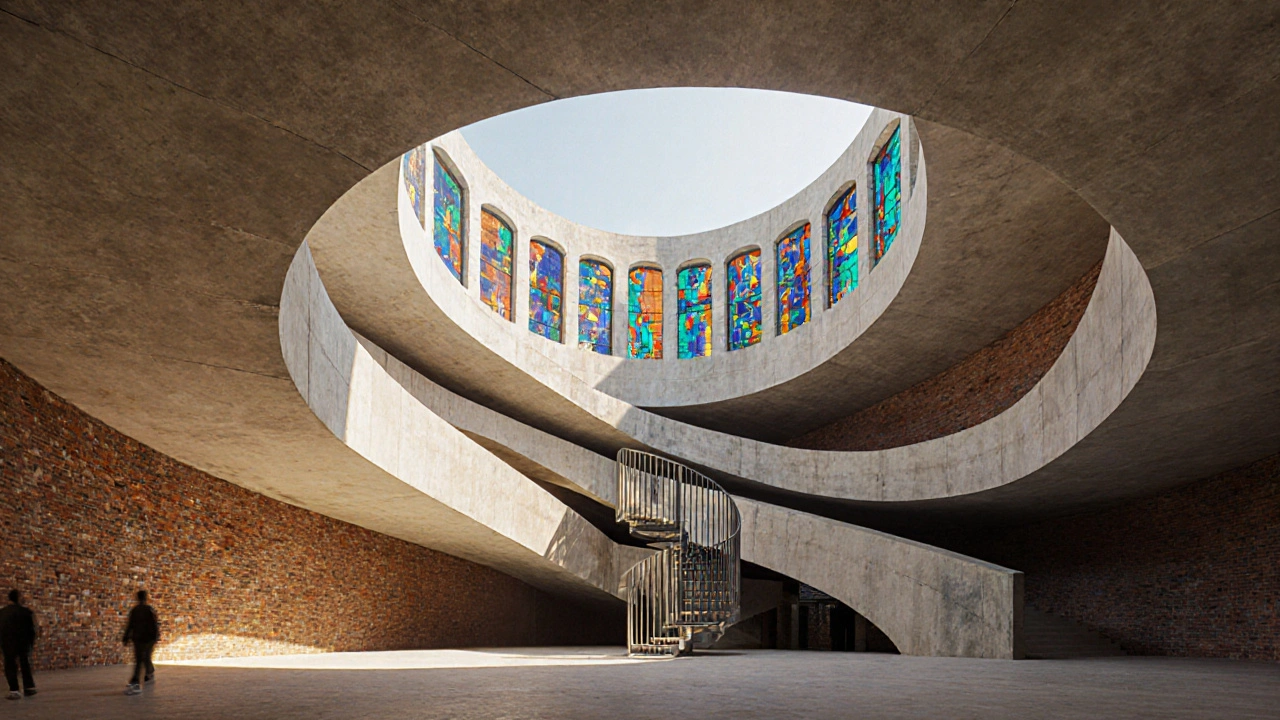
Explore how expressionist architecture uses bold forms, materials, and light to create emotional connections, with history, key architects, and practical design tips.

Expressionist architecture ditches the straight lines and boring symmetry for wild shapes and emotional impact. This article peels back the curtain on what makes these buildings stand out, how they came about, and why they still turn heads today. You'll get real-life examples, quirky facts, and even some tips if you want to bring that bold style into your own space. Whether you're a design nerd or just curious why some buildings look like they're from outer space, here's your guide to all things expressionist. Jump in and see why this movement still makes a splash.
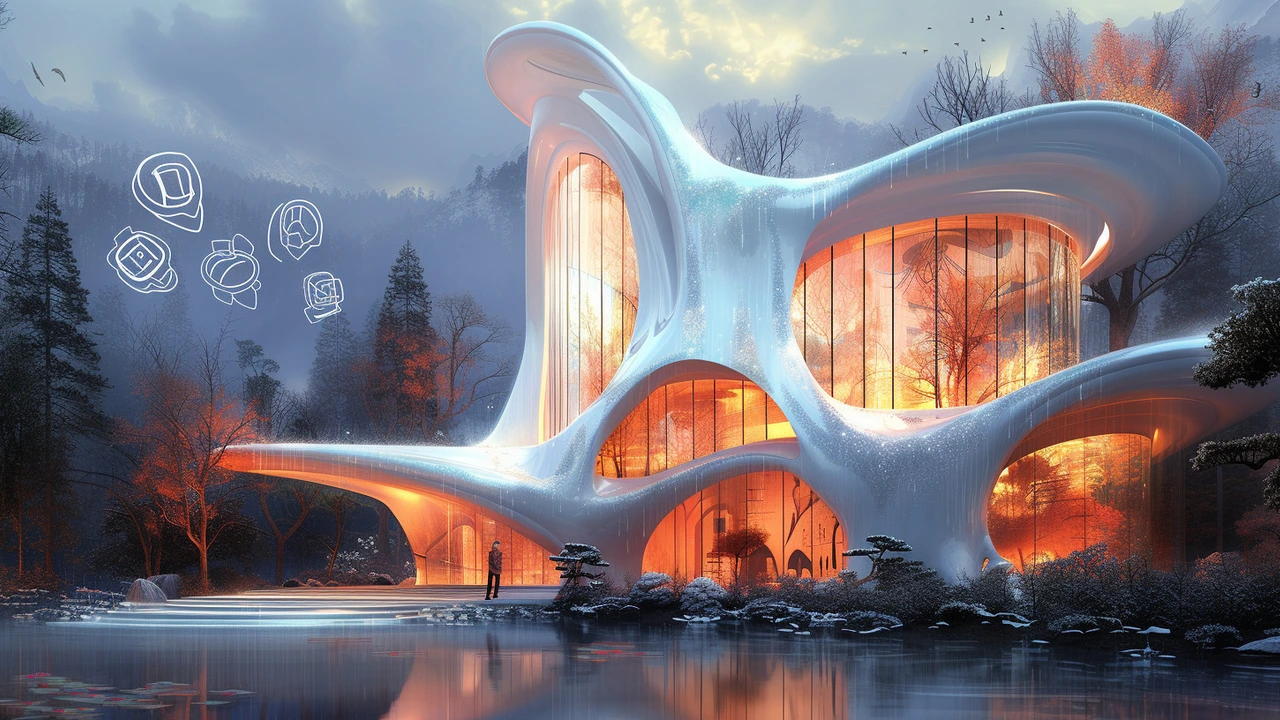
Well folks, strap on your thinking helmets because we are diving headfirst into the whirlpool of artistic wonder known as Expressionist Architecture. This isn't just another style, oh no, it's the Picasso of designs, revolutionizing the way we look at buildings. Imagine buildings twisting, turning, and shouting "Look at me, I am not a boring block!" It's like watching your favorite action movie but in concrete and glass, folks. So buckle up, we are about to explore the roller coaster ride of design that is Expressionist Architecture. Let's get artsy!