
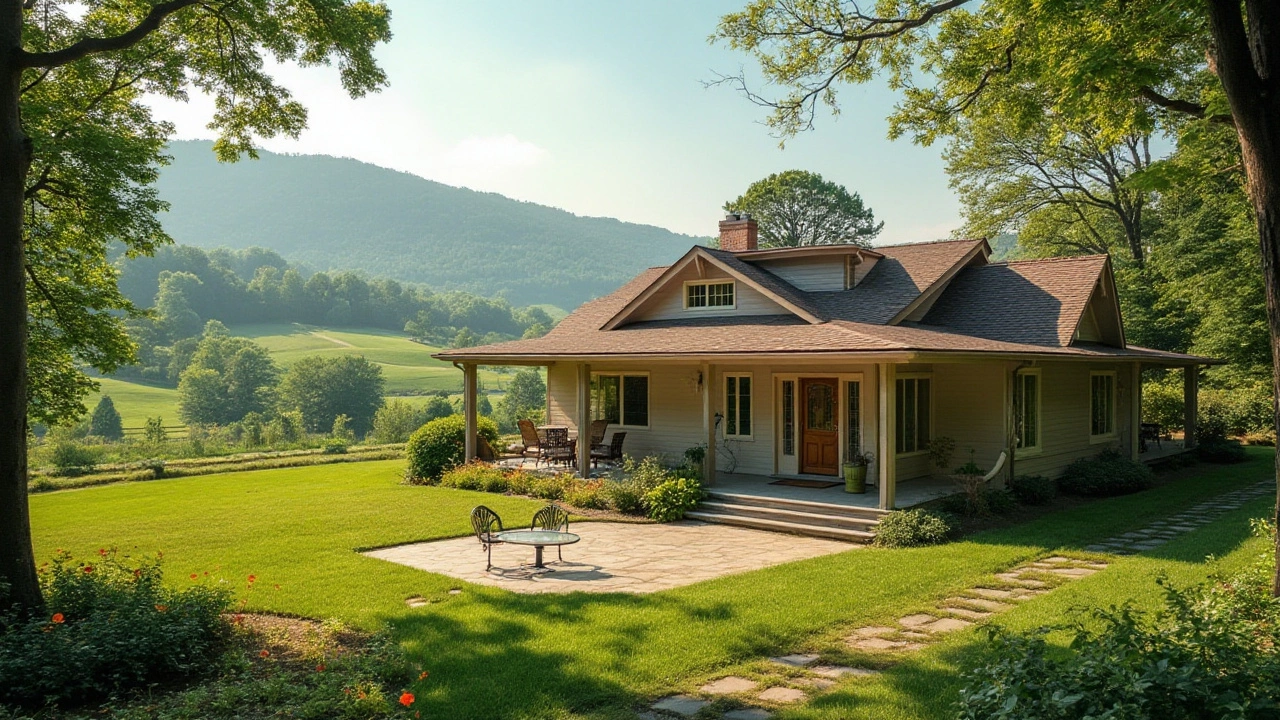
Ranch-style houses, born in the United States, became symbols of freedom and spacious living. These homes, noted for their unpretentious design and horizontal layout, emerged prominently in the mid-20th century and continue to inspire modern architecture. As lifestyles shifted, the simplicity and practicality of ranch-style homes captivated many homeowners seeking an indoor-outdoor connection. This exploration into ranch-style homes reveals their history, core features, evolving design, and the reasons behind their enduring popularity.
Category: Architecture and Design - Page 2
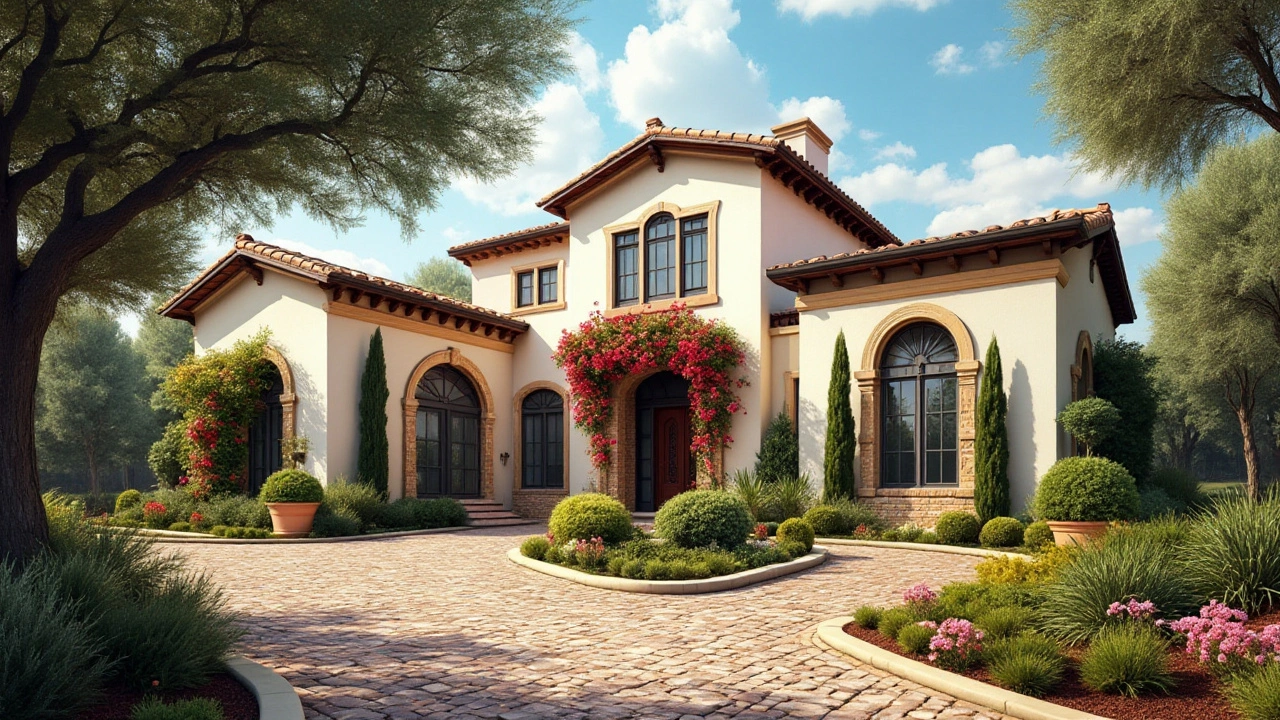
Mediterranean Revival Architecture is an enchanting style that draws inspiration from the sun-drenched coasts of Spain, Italy, and Greece. Emerging in the late 19th and early 20th centuries, it brings a touch of Old World elegance through its characteristic terracotta roofs, arched windows, and stucco walls. This architectural approach captures the essence of beauty and harmony, making it a popular choice for homes in warm climates. Dive into the elements that define this captivating style and learn tips on incorporating its timeless allure into modern designs.
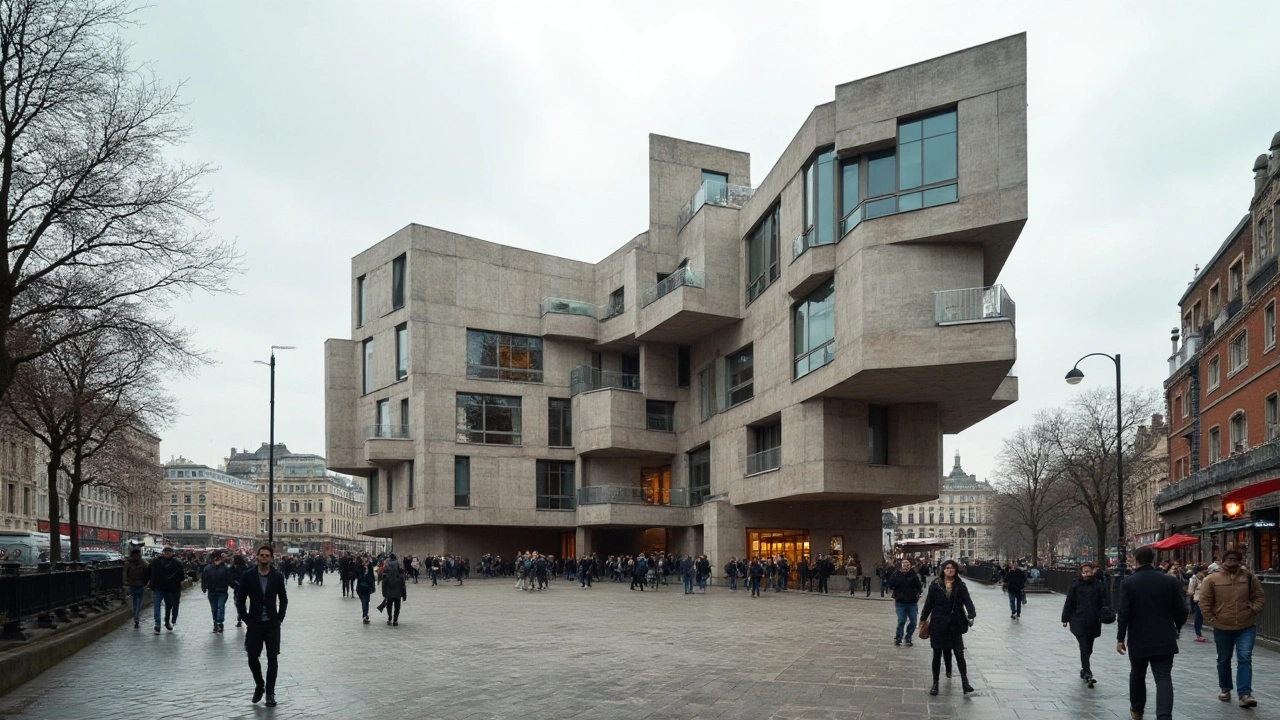
Deconstructivism challenges conventional design with its avant-garde approach, dispelling the norms of uniformity and order. This movement, rooted in architectural innovation, transforms traditional structures by emphasizing elements like fragmentation and irregularity. With influential figures such as Frank Gehry leading the charge, deconstructivism has redefined spaces from buildings to urban environments. By exploring this design philosophy, observers can gain insights into the creativity and risk-taking that drives this transformative art form.
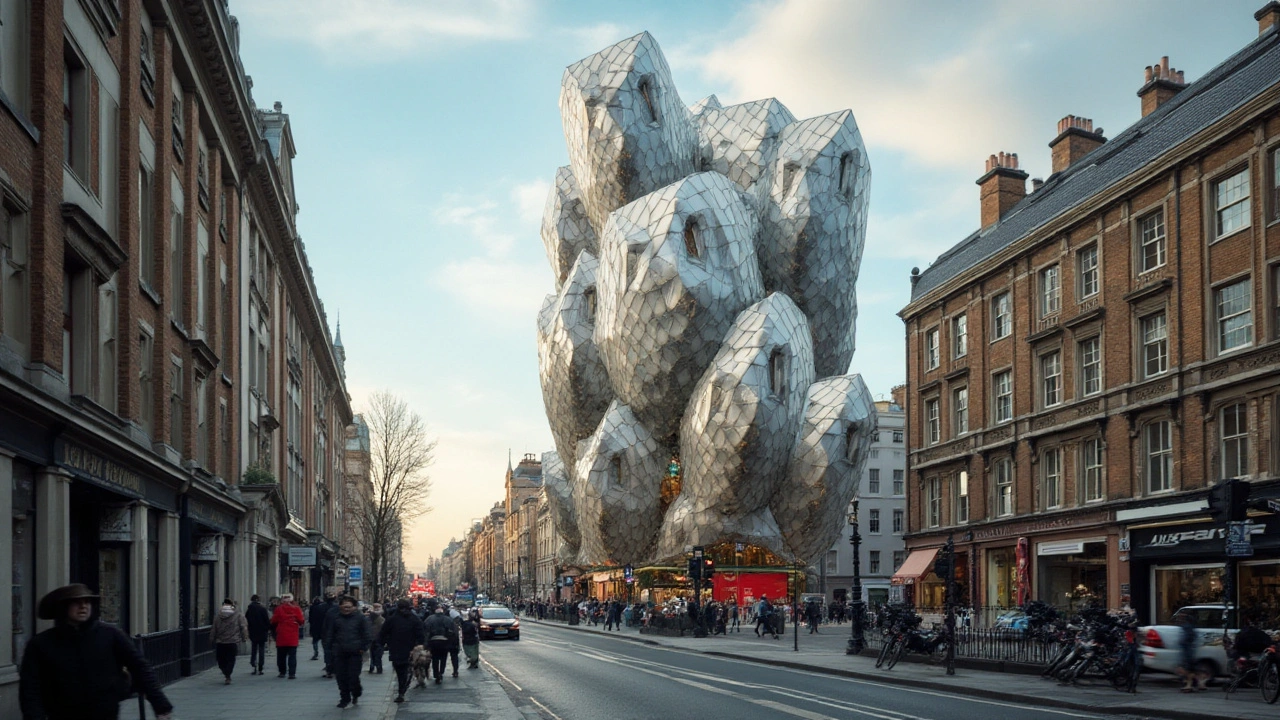
Deconstructivism challenges traditional design norms by embracing asymmetry and fragmentation, leading to innovative spaces that defy conventional aesthetics. This approach has been instrumental in transforming environments, pushing the boundaries of what architecture can convey. Through its unique way of juxtaposing elements, Deconstructivism creates dynamic spaces full of tension and excitement. The article explores its principles, historical roots, and practical impacts on contemporary spaces.
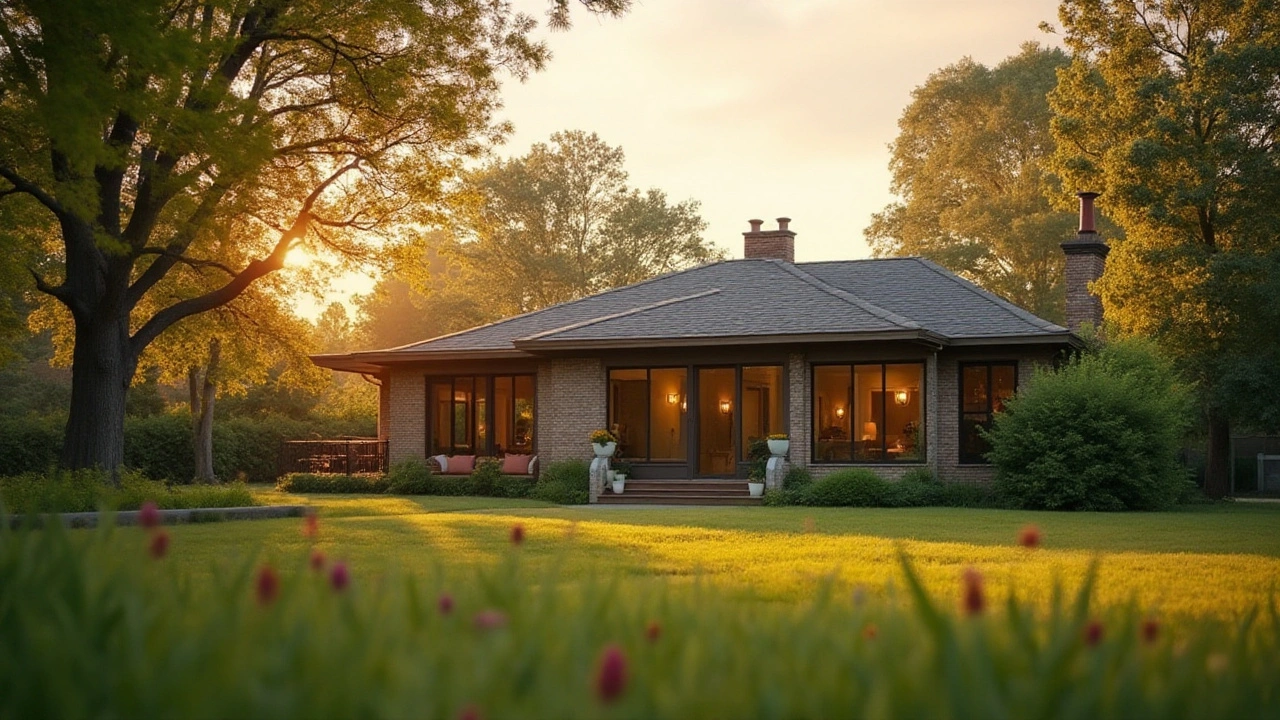
Ranch-style homes, with their simple and open layout, have remained a beloved architectural choice across the decades. Originally emerging in the early 20th century, these homes highlight the importance of blending indoor and outdoor living. The design features, such as single-story layouts, large windows, and easy access to outdoor spaces, continue to be appealing to many homeowners today. Ranch homes' adaptability and charm ensure they remain a relevant design choice no matter the era.

Postmodern architecture has significantly shaped urban design, offering a blend of styles, forms, and historical references that defy the norms of traditional architecture. This movement, emerging in the latter half of the 20th century, challenges the rigidity and uniformity of modernism by embracing complexity and contradiction. As cities evolve, postmodern buildings bring diversity and creativity, transforming skylines with character and cultural resonance. This article delves into why postmodern architecture is crucial for future urban landscapes, exploring its impact on design philosophy and community identity.

Federal architecture in America traces its roots back to the late 18th century, mirroring the young nation's aspirations and influences. This style is heavily inspired by Roman classicism and is characterized by symmetry, balance, and grandeur, embodying democratic ideals. As a lasting symbol of American heritage, it tells stories through its prominent structures such as courthouses and early government buildings. Understanding this architectural style offers insight into the cultural and historical journey of the United States.
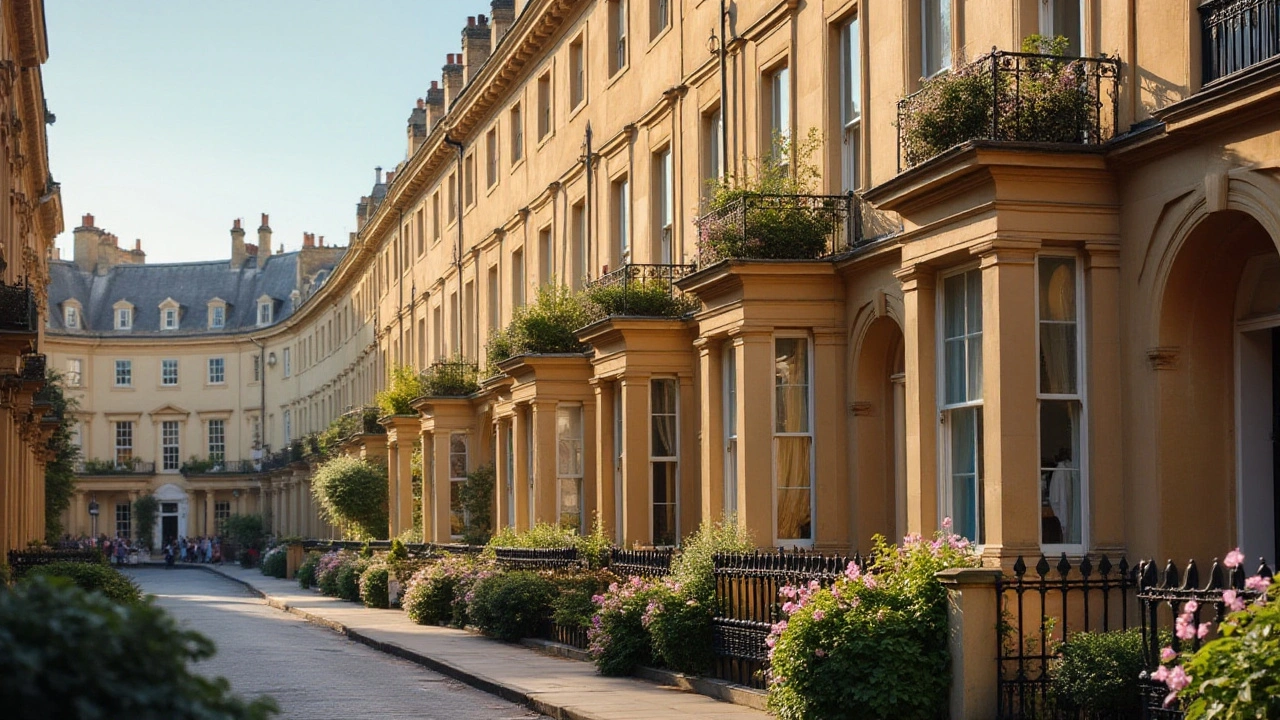
Georgian architecture, a style that flourished from the early 18th to the early 19th century, is renowned for its elegance and symmetry. Its roots are deeply embedded in the classical architecture of ancient Rome and Greece, marrying beauty with practicality. Picture-perfect Georgian buildings can be found strewn across the United Kingdom and other parts of the world, showcasing signature features like sash windows, decorative cornices, and proportional design. This article delves into the history, characteristics, and lasting appeal of Georgian architecture.
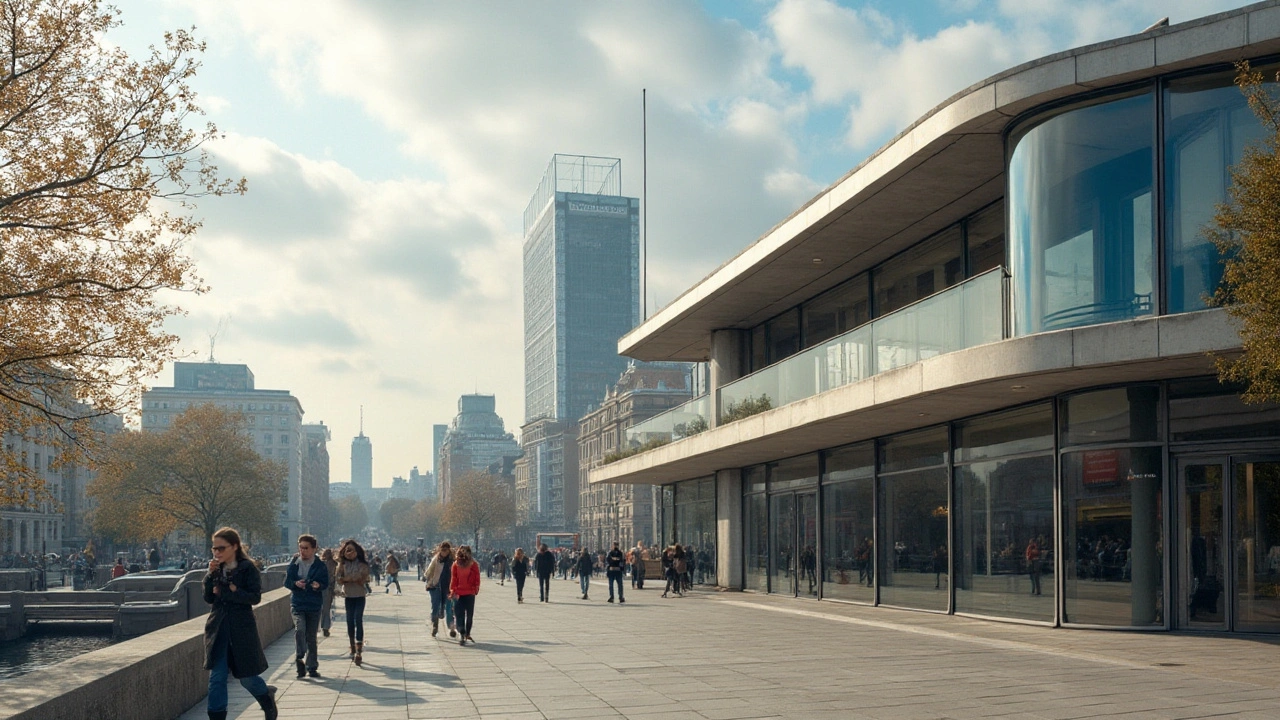
International Style is a globally recognized architectural and design movement that emphasizes open interior spaces, industrial materials, and simple, clean lines. Originating in the 1920s and 1930s, it has significantly influenced structures worldwide, leaving a mark on both public and private buildings. This style is known for its versatility and how it adapts to diverse cultural aesthetics. By exploring its key elements, one can appreciate its impact on modern design and architecture. This article delves into the origins, characteristics, and influence of International Style, offering insights into its enduring appeal.
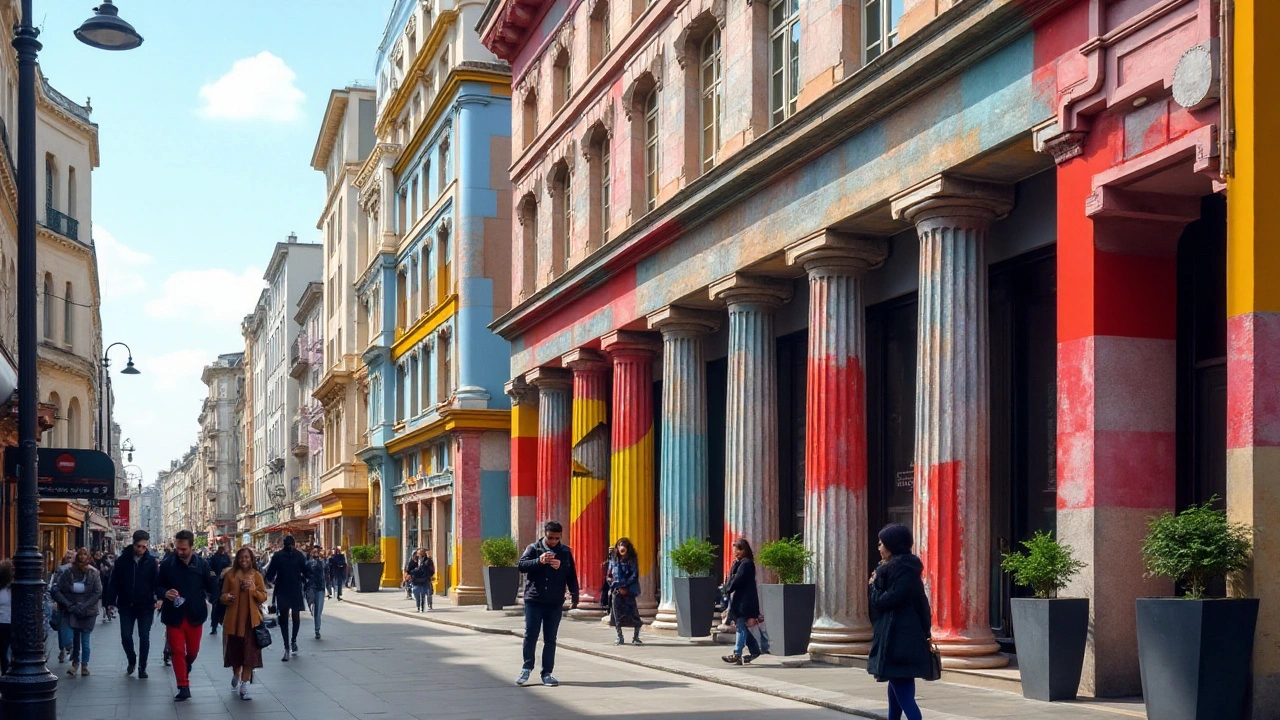
Postmodern architecture, which emerged in the mid-20th century, is known for its diverse styles and challenging of traditional norms. This style incorporates a mix of historical references, bold forms, and playful elements. The movement stands out for its emphasis on embracing complexity and contradiction, often seen in the unexpected juxtapositions seen in the buildings. Through playful colors, shapes, and materials, postmodern architecture creates distinct and memorable spaces.