

Constructivist architecture, famous for its bold geometric forms and utilitarian approach, has significantly shaped modern design trends. Emerging in the Soviet Union during the early 20th century, it emphasized functionality with aesthetic innovation. Its influence can be seen in everything from public buildings to everyday household items. Today, modern designers draw inspiration from these early ideas to push the boundaries of creativity and practicality. Explore how constructivist principles continue to inspire innovative designs in our world.
Author: Naomi Fielding - Page 2

Discover practical tips for redecorating your ranch-style house, focusing on open spaces, natural lighting, and cohesive design. Embrace simple color palettes to enhance the charm and make the most of your living space. This guide will help you create a home that exudes warmth and style.

Exploring the impact of postmodern architecture on urban landscapes, this article delves into the vibrant and eclectic styles that are redefining our cities. By blending elements from various architectural approaches, postmodernism challenges traditional aesthetics and encourages innovation. Urban environments are transformed into dynamic spaces, fostering creativity and community engagement. With a splash of humor and unexpected designs, postmodern architecture invites us to rethink how we live and interact with our surroundings.
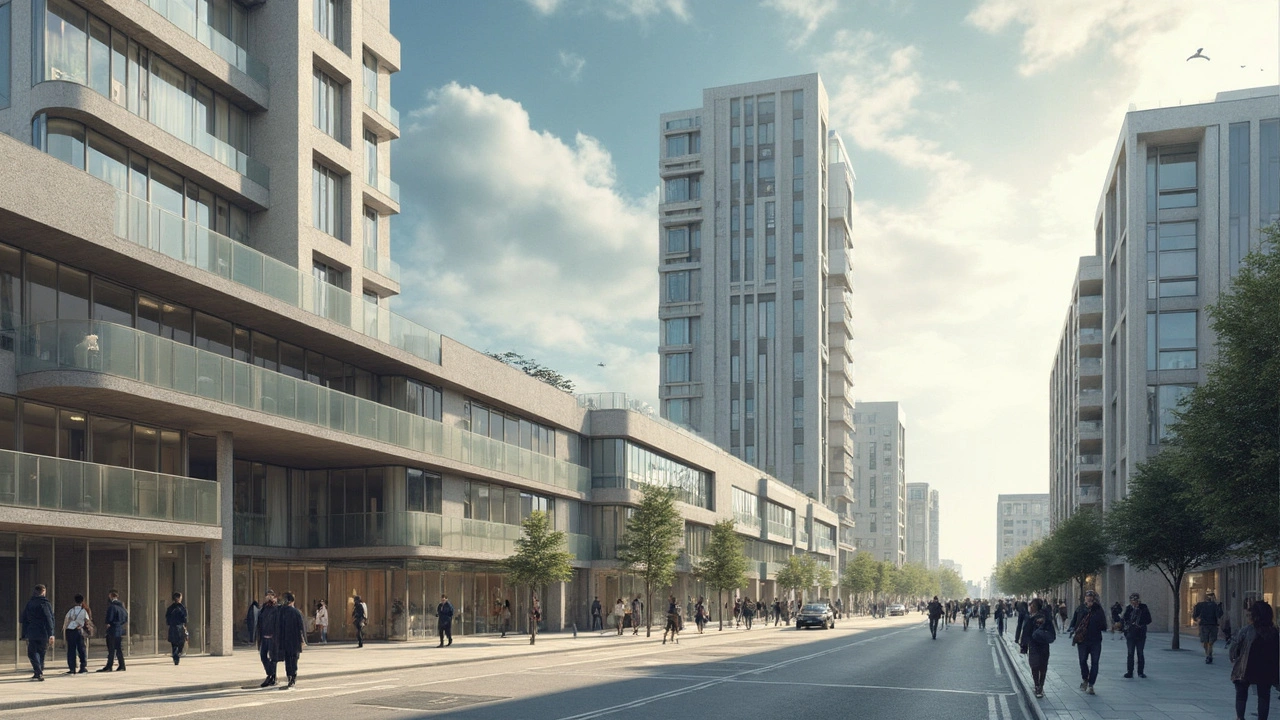
The Bauhaus style redefined design and architecture in profound ways. Emerging in Germany during the early 20th century, this movement broke away from tradition, embracing functionality and simplicity. Bauhaus merged creativity with practical craftsmanship, influencing everything from furniture to urban planning. Its impact has continued to shape contemporary design, emphasizing that form should follow function.

Functionalism plays a crucial role in understanding how societal norms are formed and maintained. It examines the social structures that contribute to the cohesiveness and stability of society. By analyzing various institutions and their functions, functionalism provides insights into the ways communities operate and adapt to change. This article explores the impact of functionalism in shaping societal values and behaviors through organized social systems.

Mediterranean Revival Architecture is an enchanting style that draws inspiration from the sun-drenched coasts of Spain, Italy, and Greece. Emerging in the late 19th and early 20th centuries, it brings a touch of Old World elegance through its characteristic terracotta roofs, arched windows, and stucco walls. This architectural approach captures the essence of beauty and harmony, making it a popular choice for homes in warm climates. Dive into the elements that define this captivating style and learn tips on incorporating its timeless allure into modern designs.
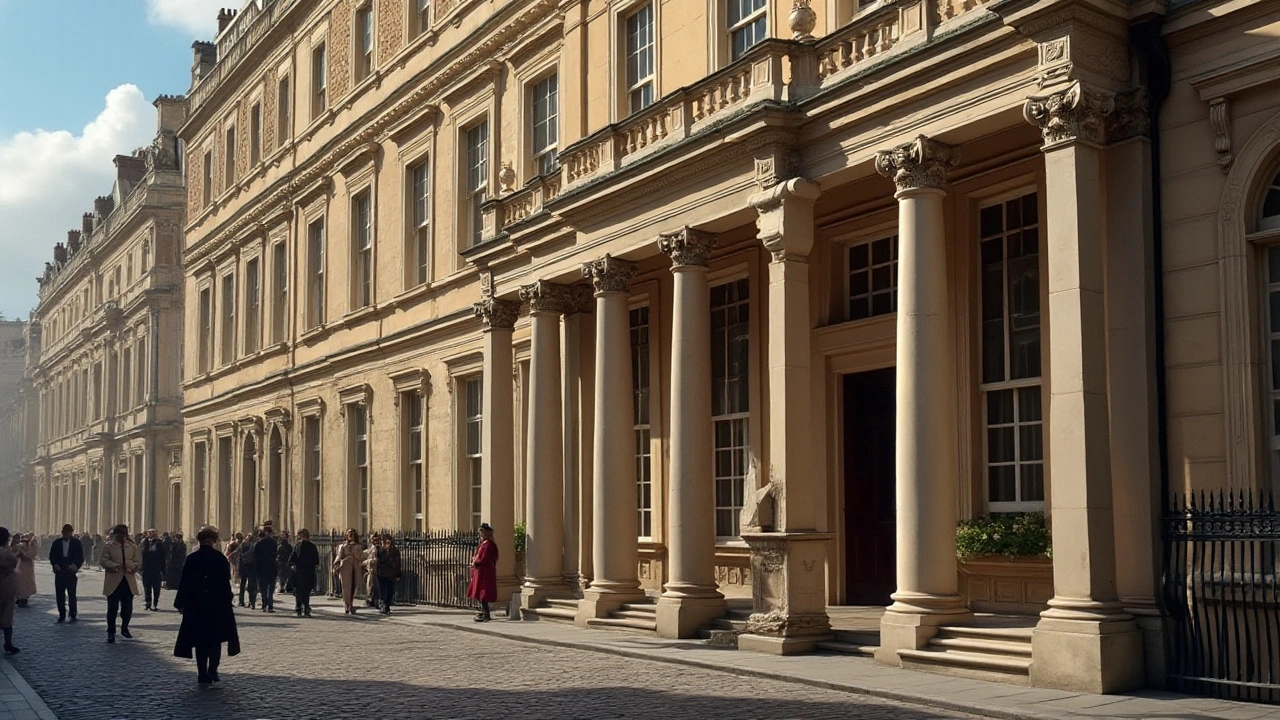
Georgian architecture, characterized by its symmetry and proportion, offers a fascinating insight into the social hierarchies of its time. This style, predominant from the early 18th to the early 19th century, reflected the wealth and social position of its inhabitants through ornate designs and spatial organization. The grandeur of these buildings, often featuring lavish facades and grand entrances, indicated the rising affluence of the emerging middle class. These architectural marvels not only provide an aesthetic delight but are also key to understanding the societal context of the Georgian era.
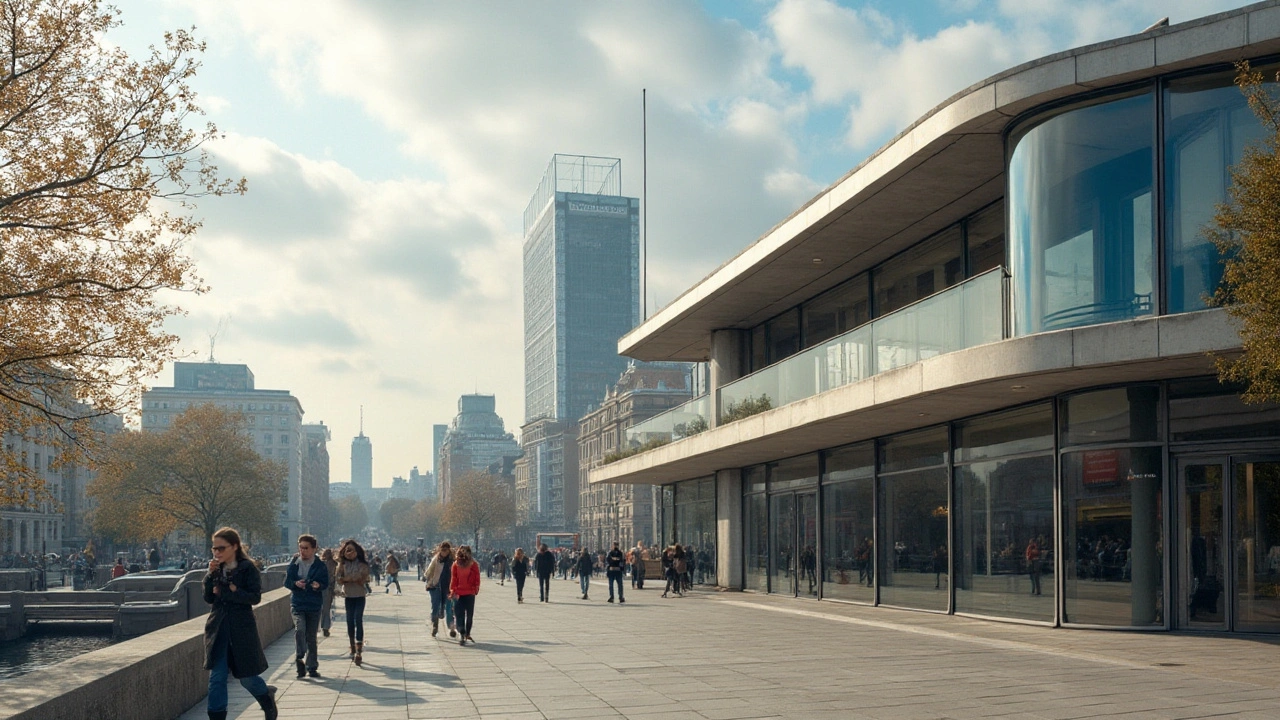
International Style is a globally recognized architectural and design movement that emphasizes open interior spaces, industrial materials, and simple, clean lines. Originating in the 1920s and 1930s, it has significantly influenced structures worldwide, leaving a mark on both public and private buildings. This style is known for its versatility and how it adapts to diverse cultural aesthetics. By exploring its key elements, one can appreciate its impact on modern design and architecture. This article delves into the origins, characteristics, and influence of International Style, offering insights into its enduring appeal.
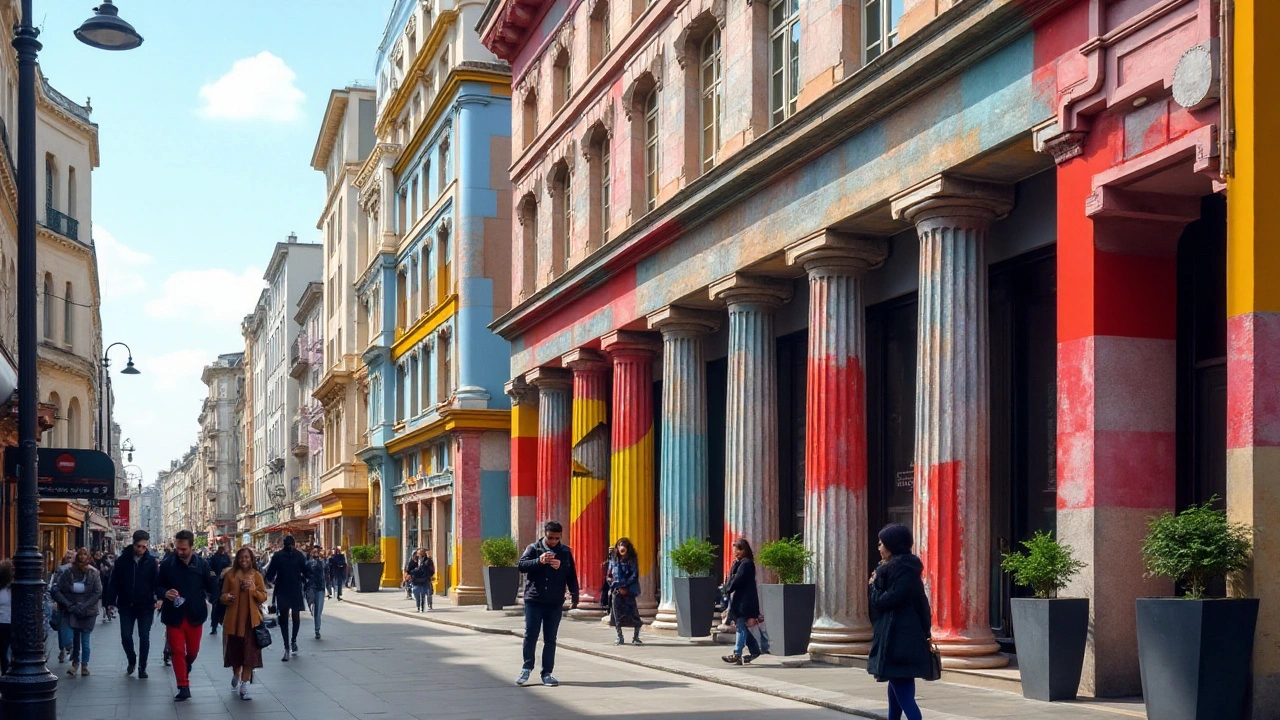
Postmodern architecture, which emerged in the mid-20th century, is known for its diverse styles and challenging of traditional norms. This style incorporates a mix of historical references, bold forms, and playful elements. The movement stands out for its emphasis on embracing complexity and contradiction, often seen in the unexpected juxtapositions seen in the buildings. Through playful colors, shapes, and materials, postmodern architecture creates distinct and memorable spaces.
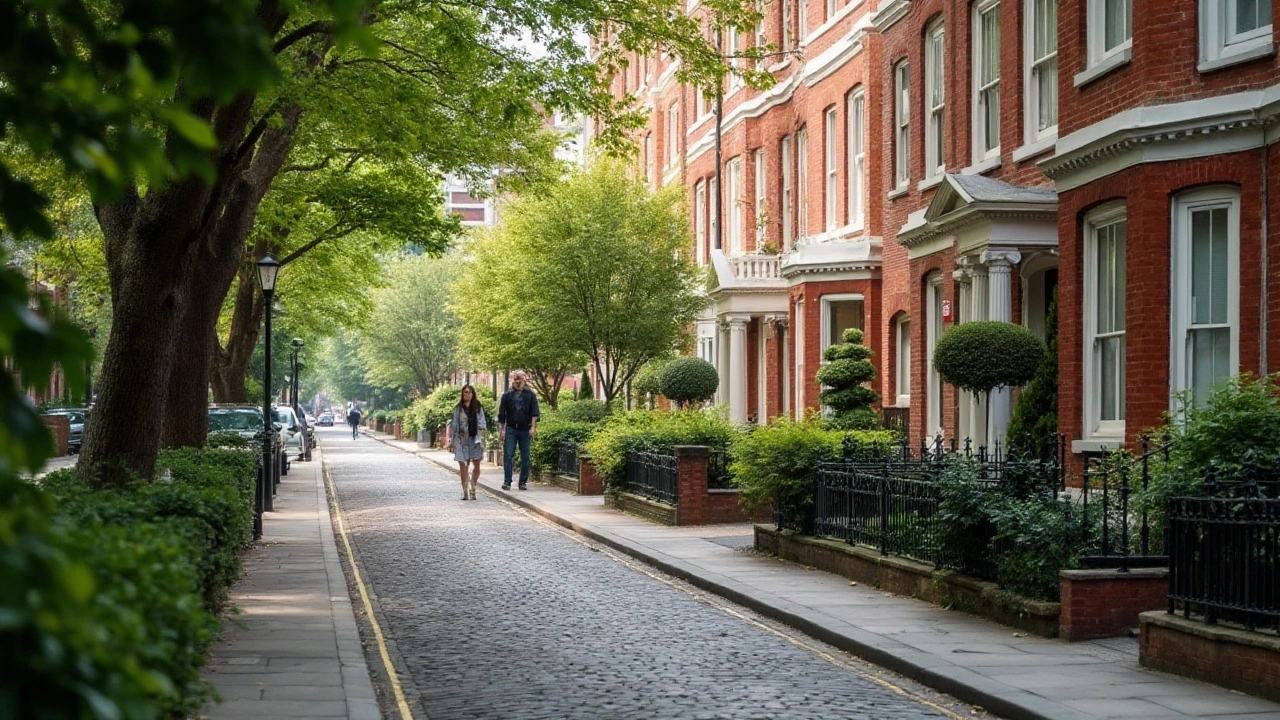
In this article, explore the roots and evolution of colonial architecture, a significant style that shaped numerous countries' residential and public buildings. Delve into the distinctive features of various colonial architectural styles and gain insights into notable examples around the world. The article also provides tips for identifying and appreciating these historic structures.