

Renaissance architecture revived classical Roman and Greek design principles, emphasizing symmetry, proportion, and human scale. It transformed buildings from religious monuments into harmonious, rational spaces that still influence design today.
Dome Design: History, Styles, and How Domes Shape Sacred and Modern Spaces
When you think of dome design, a curved architectural structure that covers a space without internal supports. Also known as vaulted ceilings, it has been used for thousands of years to create spaces that feel both grand and intimate. Domes aren’t just roofs—they’re symbols of power, faith, and human ingenuity. From the skies of ancient Rome to the golden tops of Byzantine churches, dome design has always been about more than shelter. It’s about reaching upward, literally and spiritually.
One of the most powerful influences on dome design came from Roman architecture, the engineering legacy of ancient Rome that introduced concrete, arches, and large-scale domes. Also known as classical Roman engineering, it gave us the Pantheon’s still-standing dome—the largest unreinforced concrete dome ever built. This wasn’t just a technical win; it showed how form could carry meaning. Romans used domes in temples and baths to make people feel small in the face of empire and eternity. Later, Byzantine architecture, a style that fused Roman engineering with Christian symbolism, using light and gold to evoke heaven on earth. Also known as Eastern Roman architecture, it took the dome and turned it into a sacred symbol. The Hagia Sophia’s massive dome, floating above its prayer hall, wasn’t just an architectural feat—it was meant to make worshippers feel like they were standing under the heavens. That idea still lives in mosques, cathedrals, and even modern civic buildings today.
Dome design doesn’t belong only to the past. Modern architects still borrow from these traditions, whether they’re building a planetarium, a mosque, or a library. The shape solves real problems: it distributes weight evenly, requires fewer supports, and creates open, uncluttered interiors. But more than that, it still carries emotion. A dome can make you feel calm, inspired, or even humbled. That’s why you’ll still find them in places where people gather to reflect, worship, or simply pause.
Below, you’ll find a collection of posts that dig into how domes evolved—from their roots in Roman concrete to their spiritual role in Byzantine churches, and how they continue to inspire today’s builders. Whether you’re drawn to the math behind their structure or the meaning behind their form, there’s something here for anyone who’s ever looked up and wondered how such a thing was made.
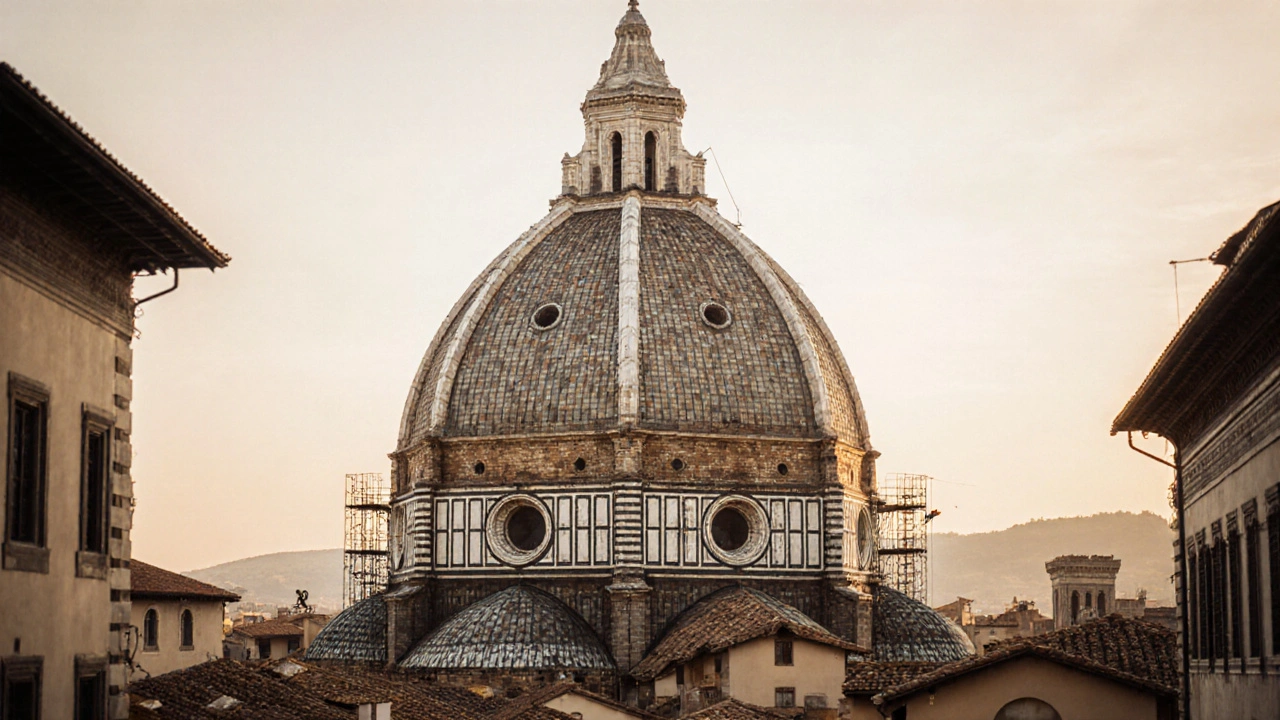
Renaissance architecture fused art and science to create buildings based on harmony, proportion, and human reason. From Brunelleschi’s dome to Palladio’s villas, its legacy still shapes how we design spaces today.