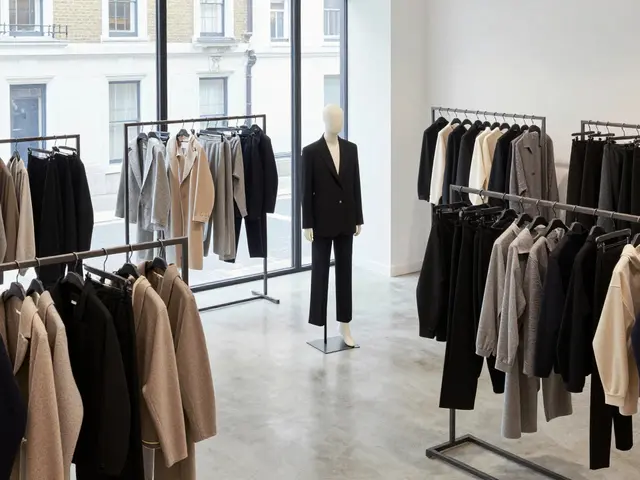
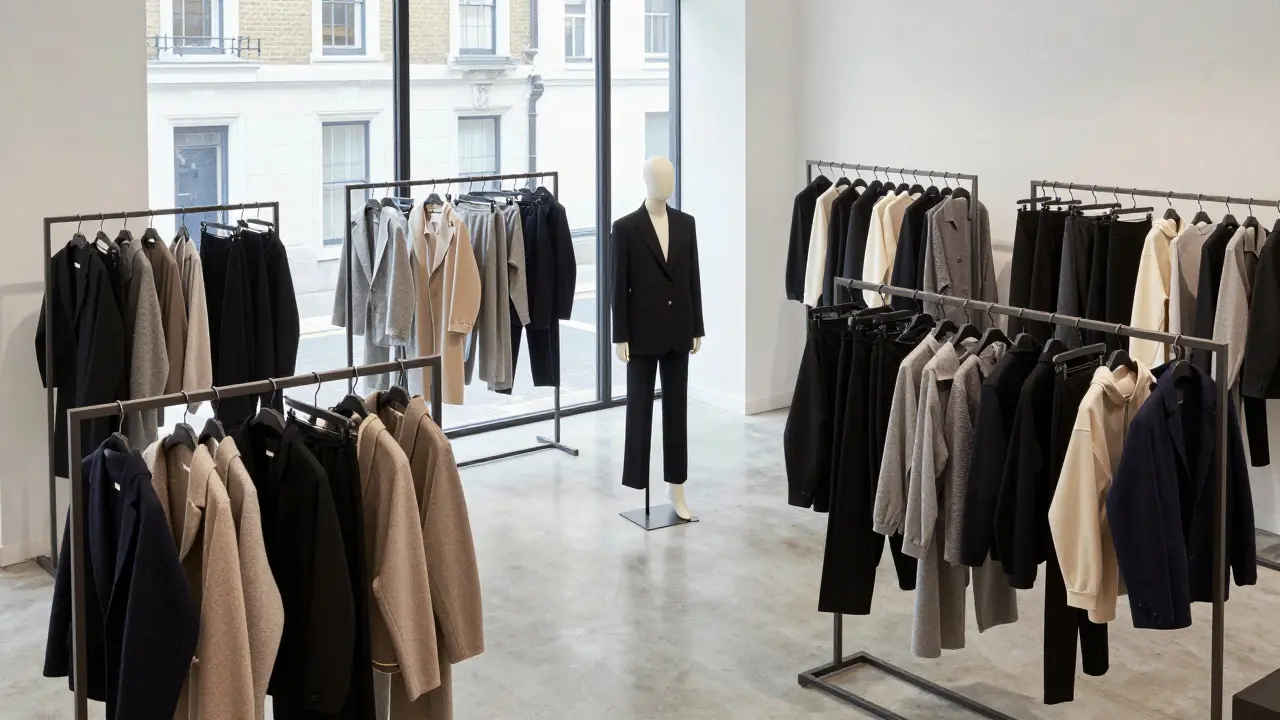
Walk into any high-end boutique in Melbourne or New York today, and you’ll likely see the same thing: clean lines, neutral palettes, and fabrics that feel expensive because they are. This isn’t a coincidence. It’s International Style is a design movement originating in architecture in the 1920s that prioritizes function, simplicity, and universal aesthetics over regional ornamentation. While it started with buildings like the Villa Savoye, its principles bled directly into clothing, creating the modern minimalist wardrobe we recognize today.
For decades, fashion was deeply local. A Parisian woman dressed differently from a Tokyo resident, not just because of climate, but because of cultural codes. But after World War II, as globalization accelerated, designers began stripping away the excess. They asked a simple question: What if clothes could be beautiful without being tied to a specific place? The answer reshaped how we shop, what we wear, and how we define elegance.
The Architectural Roots of Modern Dress
You can’t understand International Style in fashion without looking at the architects who pioneered it. In the 1920s and 30s, figures like Le Corbusier and Ludwig Mies van der Rohe rejected historical revival styles. They wanted structures that were honest about their materials and purpose. Mies famously said, "Less is more." This philosophy traveled from concrete and glass to wool and silk.
Designers like Coco Chanel were already moving toward this ethos before the term "International Style" was even coined. She removed corsets and heavy embellishments, favoring jersey fabric that moved with the body. However, the post-war era solidified the link between architectural modernism and apparel. When European luxury houses began exporting their designs globally, they packaged these minimalist looks as "universal." The idea was that a well-cut black turtleneck or a tailored blazer should look equally appropriate in London, Los Angeles, or Sydney.
This shift wasn’t just aesthetic; it was economic. Standardizing design allowed for mass production while maintaining a perception of exclusivity. The "look" became detached from the "maker's origin," focusing instead on the silhouette. This created a shared visual language for the global middle class, who suddenly had access to similar styles regardless of where they lived.
Key Elements That Define the Aesthetic
If you’re trying to identify International Style in a closet, look for specific traits. These aren't just trends; they are structural choices that prioritize form over decoration.
- Neutral Color Palettes: Black, white, gray, beige, and navy dominate. These colors mix easily and don't fade out of style quickly, supporting the idea of timeless wearability.
- Geometric Silhouettes: Straight lines, boxy cuts, and structured shoulders replace curved, ornate shapes. Think square necklines and straight-leg trousers rather than flared hems or ruffled sleeves.
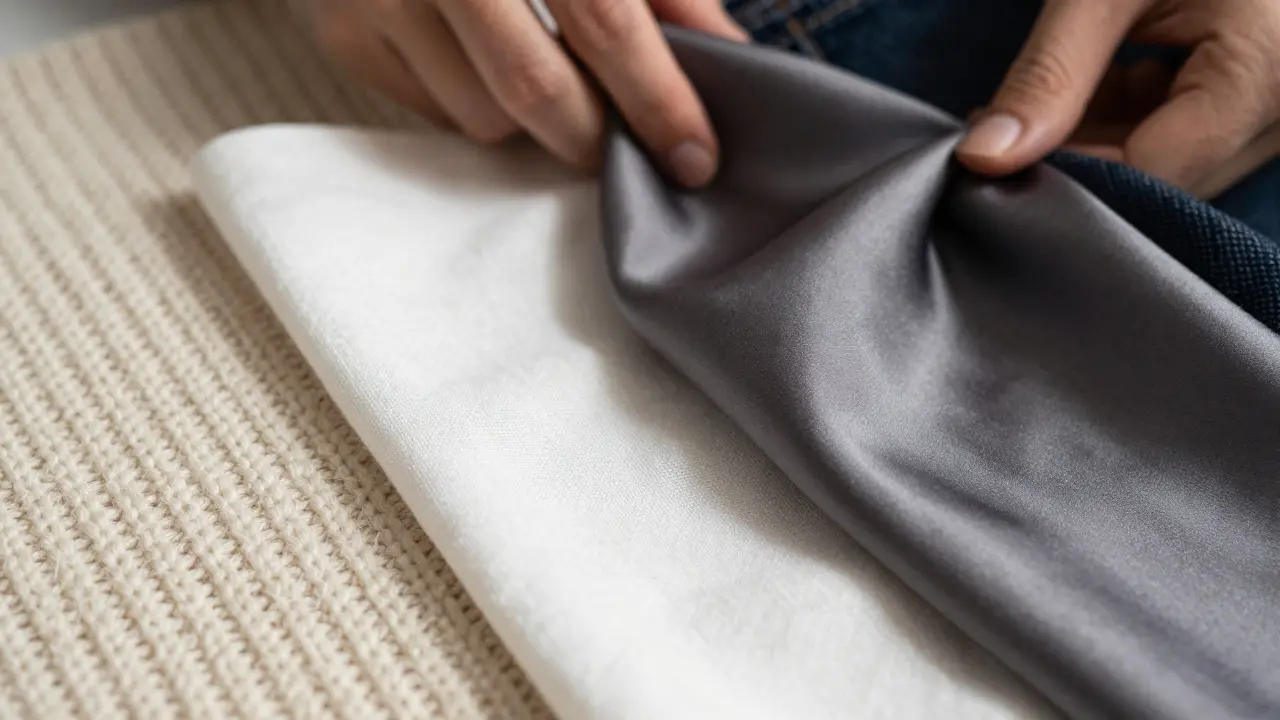
- High-Quality Fabrics: Since there’s no pattern to distract the eye, the material must speak for itself. Cashmere, fine cotton, and wool are staples. If the fabric looks cheap, the whole outfit fails.
- Lack of Visible Logos: Branding is subtle or non-existent. The quality of the cut signals status, not a large logo on the chest.
- Functional Details: Pockets, buttons, and zippers serve a purpose. There are no decorative frills that don’t help the garment function.
These elements work together to create a sense of order. In a world that often feels chaotic, an International Style outfit offers visual calm. It’s a uniform for the modern professional, signaling competence and clarity through restraint.
How Globalization Changed the Game
In the mid-20th century, travel became easier and media faster. Television and later the internet meant that fashion trends spread instantly across borders. Before this, a style might take years to cross an ocean. Now, a runway show in Milan could influence street style in Seoul within days.
This speed required a common denominator. Complex, culturally specific patterns didn't translate well in low-resolution photos or quick video clips. Simple, bold shapes did. Thus, International Style thrived because it was visually legible everywhere. It didn’t require context to be understood. A sharp suit is a sharp suit, whether you’re in a boardroom in Chicago or a gallery opening in Berlin.
However, this homogenization has critics. Some argue that International Style erases local identity, making every city center look the same. Yet, proponents point out that this universality allows for greater mobility and social integration. For immigrants and expats, wearing "neutral" international clothes can be a way to fit in without having to adopt specific local customs immediately. It’s a safe, sophisticated default.

Building a Wardrobe with International Principles
Applying these concepts to your own closet doesn’t mean buying new things. It means curating. Start by assessing what you already own. Do you have a well-fitting blazer? A pair of straight-leg jeans in dark denim? A plain white shirt?
- Invest in Basics First: Spend more on the core pieces (trousers, shirts, outerwear) and less on trend-driven accessories. A $200 cashmere sweater will outlast five $40 fast-fashion sweaters.
- Focus on Fit: Tailoring is crucial. An off-the-rack jacket that’s too wide in the shoulders ruins the clean line. Get alterations done. This is the single most important step in achieving the look.
- Limit Your Colors: Try to keep 80% of your wardrobe in neutrals. This makes mixing and matching effortless. You can always add a pop of color with a scarf or bag if you want variety.
- Check the Fabric: Run your hand over the material. Does it feel substantial? Does it drape well? Avoid synthetic blends that pill or look shiny under lights.
The goal is a capsule wardrobe. Fewer items, higher quality, infinite combinations. This approach reduces decision fatigue and ensures you’re always dressed appropriately for almost any occasion, from casual Fridays to formal dinners.
Modern Interpretations and Sustainability
Today, International Style intersects with the sustainability movement. Because the aesthetic relies on timeless pieces rather than seasonal trends, it naturally supports slow fashion. You buy less, but you buy better. This aligns perfectly with the environmental goals of reducing textile waste.
Contemporary brands are also blending International Style with local craftsmanship. For example, Australian designers often use native fibers like merino wool or linen, which fits the climate and the minimalist aesthetic. This creates a hybrid: the universal silhouette meets local materiality. It’s not just copying Paris anymore; it’s adapting the principles to local contexts.
Techwear is another interesting evolution. Brands like Acronym or Stone Island take the functional, geometric roots of International Style and apply them to performance fabrics. The result is still minimalist, but with a utilitarian edge. It shows that the style isn’t static; it evolves with technology and lifestyle needs.
| Feature | Traditional Regional Fashion | International Style |
|---|---|---|
| Color Palette | Bright, symbolic, culturally specific | Neutral, muted, universal |
| Silhouette | Ornate, curved, detailed | Geometric, straight, clean |
| Branding | Often visible or artisan-signed | Subtle or absent |
| Production | Local artisans, small batches | Global supply chains, standardized |
| Longevity | Cyclical, seasonal changes | Timeless, year-round wear |
Common Mistakes to Avoid
It’s easy to fall into the trap of thinking International Style means boring. To avoid this, remember that minimalism is about intention, not emptiness. One strong accessory, like a structured leather bag or a pair of distinctive shoes, can elevate a simple outfit. Don’t go overboard with basics; balance is key.
Also, don’t ignore your body type. Just because a model looks good in a boxy blazer doesn’t mean it works for everyone. The principle is clean lines, not necessarily rigid boxes. Adjust the proportions to suit your frame. Finally, resist the urge to buy everything at once. Build your collection slowly. Each piece should earn its place in your rotation.
Frequently Asked Questions
Is International Style only for professionals?
No. While it originated in corporate and elite circles, it has become mainstream. You can adapt it for casual wear by pairing a simple tee with tailored chinos. The key is the quality and fit, not the formality.
How does International Style differ from Scandi minimalism?
Scandi minimalism often includes softer textures, earth tones, and a cozier vibe. International Style is stricter, relying on sharper lines, cooler neutrals (black/white/gray), and a more urban, architectural feel. Scandi is about comfort; International Style is about precision.
Can I wear International Style in hot climates?
Yes. Focus on lightweight fabrics like linen, cotton, and silk. Opt for looser fits to allow airflow. The neutral palette remains the same, but the weight of the material changes. White linen suits are a classic example of International Style adapted for heat.
What are the best entry-level investments for this style?
Start with a well-fitting pair of dark jeans, a crisp white button-down shirt, and a neutral blazer. These three items form the foundation of most outfits. Once you have these, you can build around them with knitwear and footwear.
Does International Style require expensive clothes?
Not necessarily. You can find affordable basics that meet the criteria of good fit and neutral color. However, because you’re investing in fewer pieces, the cost per wear is lower even if the initial price is moderate. Thrifting is also a great way to find vintage pieces that embody this aesthetic.