
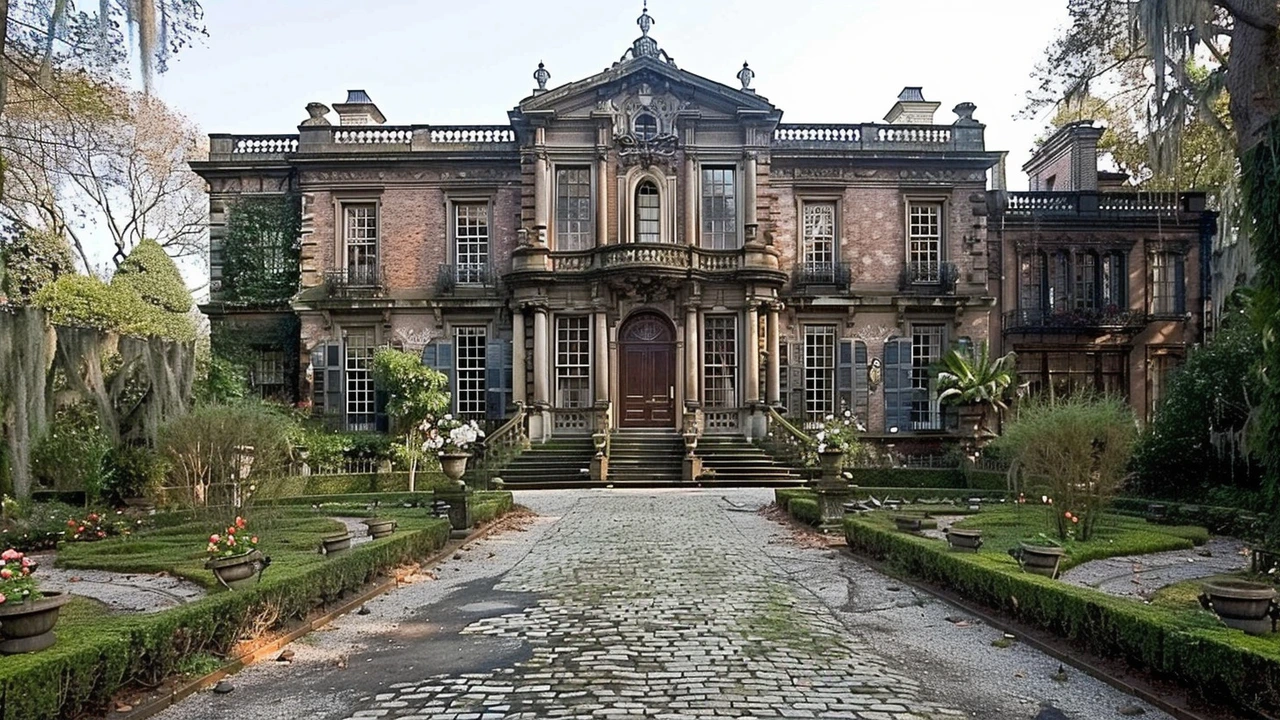
Georgian architecture, known for its symmetry and proportion, has had a lasting impact on modern design. This article explores how elements from the 18th-century style are incorporated into today's architecture. Learn about the history, key features, and modern applications of Georgian design. Discover tips for integrating these timeless elements into contemporary spaces.
May 2024 Archive — Key Architecture Stories and Practical Ideas
May brought a mix of history and forward-looking design to Architectural Artistry Chambers. You’ll find deep dives into classic styles like Georgian, Federal, Romanesque, and Greek Revival, paired with pieces on expressionist forms, high‑tech innovations, green building strategies, and simple-living minimalism. This roundup points out what matters in each article and gives quick, useful takeaways you can use right away.
What we covered this month
Historic styles showed up strong. Two Federal architecture posts break down its neat symmetry, refined ornament, and how to spot Federal details on the street. Georgian architecture got a focused piece on how its balance and proportions still shape modern homes and facades. Romanesque and Greek Revival articles explore hallmark elements—semi-circular arches, heavy masonry for Romanesque, and bold columns and pediments for Greek Revival—plus where to see great examples.
On the modern side, we looked at expressionist architecture’s bold shapes and emotional power, and at high‑tech architecture’s use of exposed structure and smart materials. The green building feature lists practical strategies—energy-efficient materials, passive systems, waste reduction—that architects and homeowners can adopt. Two minimalism posts connect lifestyle and design: one focuses on simple living and decluttering, the other shows how less can boost creativity and productivity.
Quick tips and takeaways
If you love classic design: try adding Georgian balance to a room by aligning window and door placements and using consistent proportions. For Federal-style cues, look for slender columns, fanlights, and refined decorative motifs—great for restoring older homes or adding subtle historic charm.
Spotting Romanesque or Greek Revival? Check the arches and the columns. Romanesque feels heavy and grounded; Greek Revival looks formal and temple-like. Both can inform modern projects by borrowing scale and rhythm rather than copying historical detail exactly.
For modern architecture fans: expressionist design is about movement and mood—use curves and dramatic massing where you want emotion. High‑tech architecture favors transparency and systems on show; consider structural elements as design features and pick smart materials that do more than look good.
Thinking sustainability? Start small: prioritize insulation, choose durable low‑maintenance materials, and add passive solar or natural ventilation. The green strategies in our article are practical steps that often save money over time.
Want to simplify and create space for ideas? Use the minimalism tips: clear one small area today, limit color palettes, and create a dedicated spot for work or reflection. The creativity piece explains how less clutter can free mental bandwidth for better design work.
Each post in May gives clear examples and photos to help you recognize styles and apply ideas. If you want a specific recommendation—like which Georgian element fits a modern kitchen or which green upgrade pays off fastest—read the linked articles for step-by-step tips and examples from real projects.
Curious about a particular article? Browse the May 2024 posts and pick one that matches your next project or design question. You’ll find practical advice, clear visuals, and simple steps you can try this weekend.
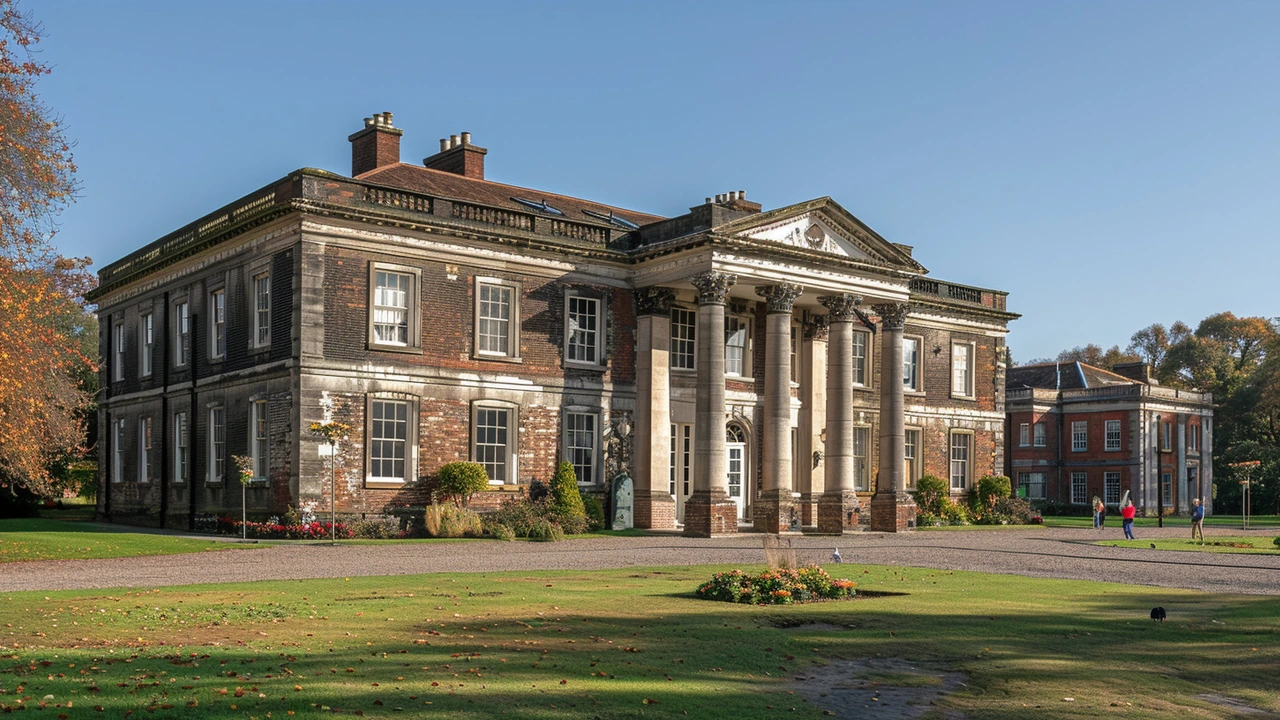
This article delves into the beauty of Federal architecture, exploring its origins, distinctive features, and the artistry behind some of America's most iconic buildings. Learn the defining characteristics and discover tips on how to appreciate and identify this sophisticated style as you encounter it in your travels.
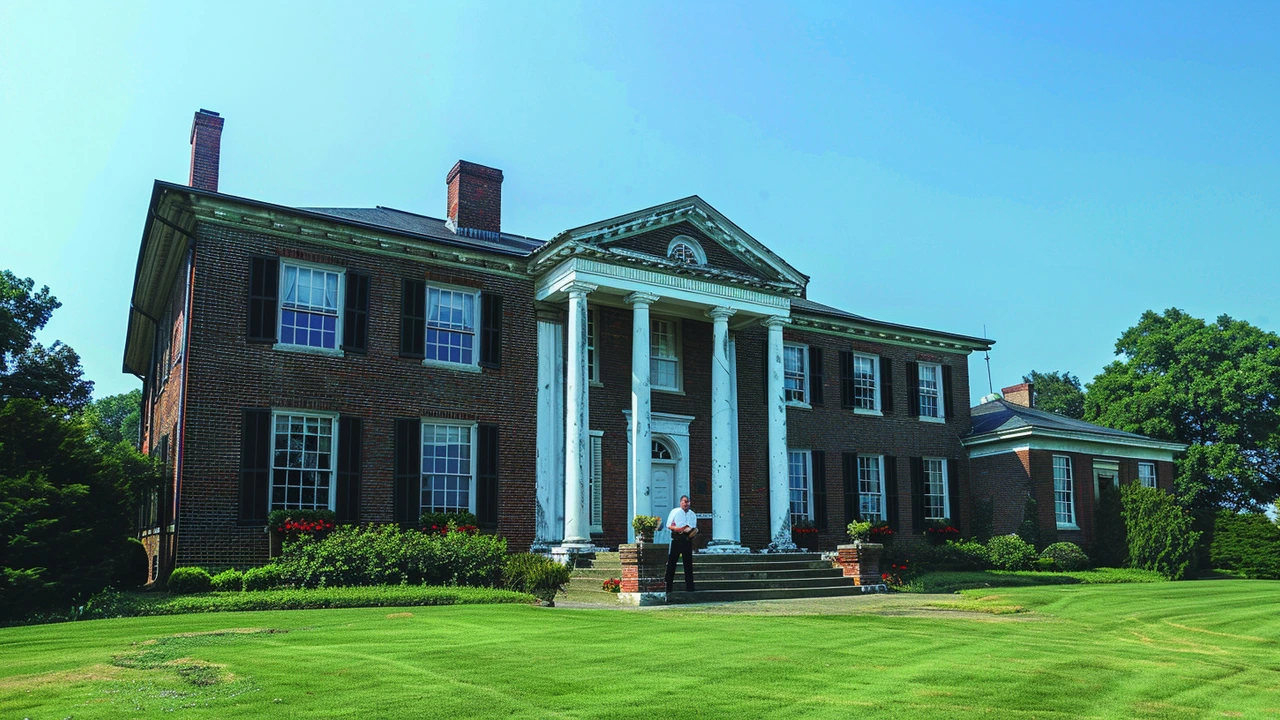
Federal Architecture is a delightful dive into refined design from the past. This guide aims to enrich history buffs with insights on its distinct features, influential architects, and notable buildings. You’ll uncover traditions tied to early American history and tips on recognizing Federal-style structures. Perfect for anyone looking to deepen their appreciation of historical architecture.

This article delves into the world of minimalism, exploring the benefits and challenges of living simply. Readers will discover practical tips to declutter their homes and minds, promoting sustainable and meaningful living. The article serves as a guide for those seeking to embrace minimalism and find joy in less.
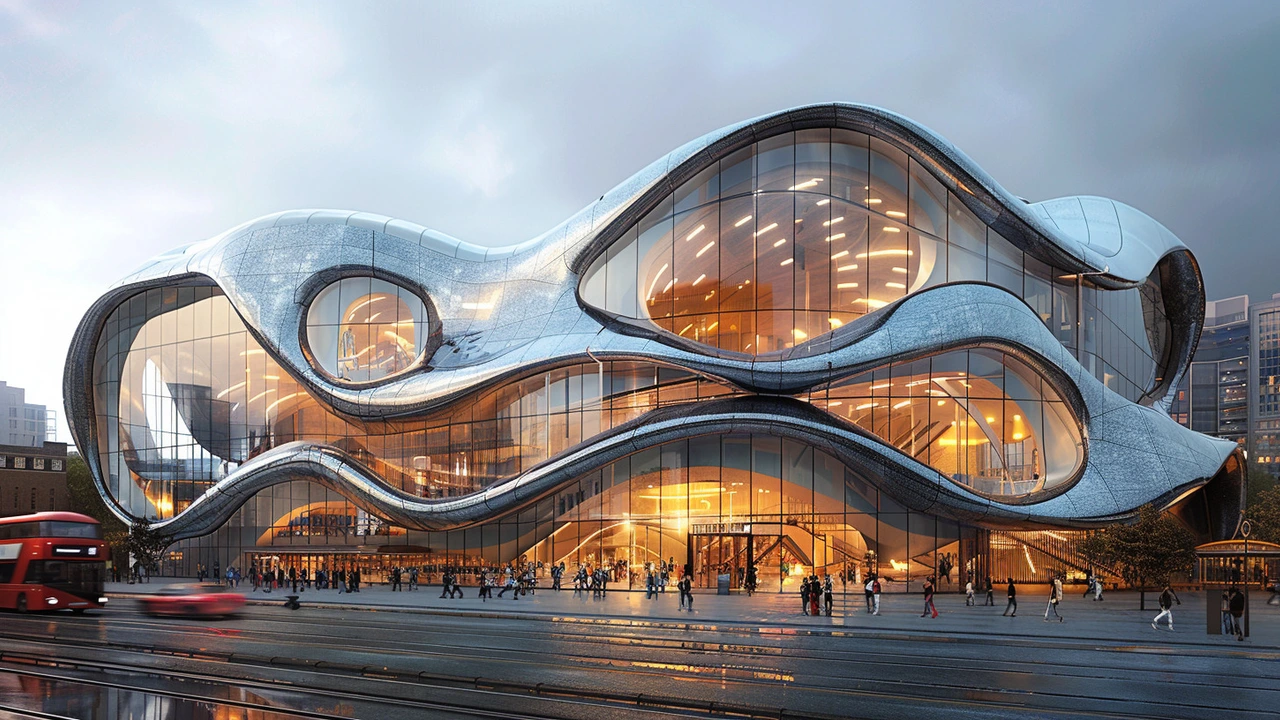
Expressionist architecture, with its dynamic and emotive forms, has profoundly shaped modern design. This style tells stories through unique structures, merging creativity with functionality. Discover its origins, key influences, famous examples, and essential elements that define this passionate architectural movement.
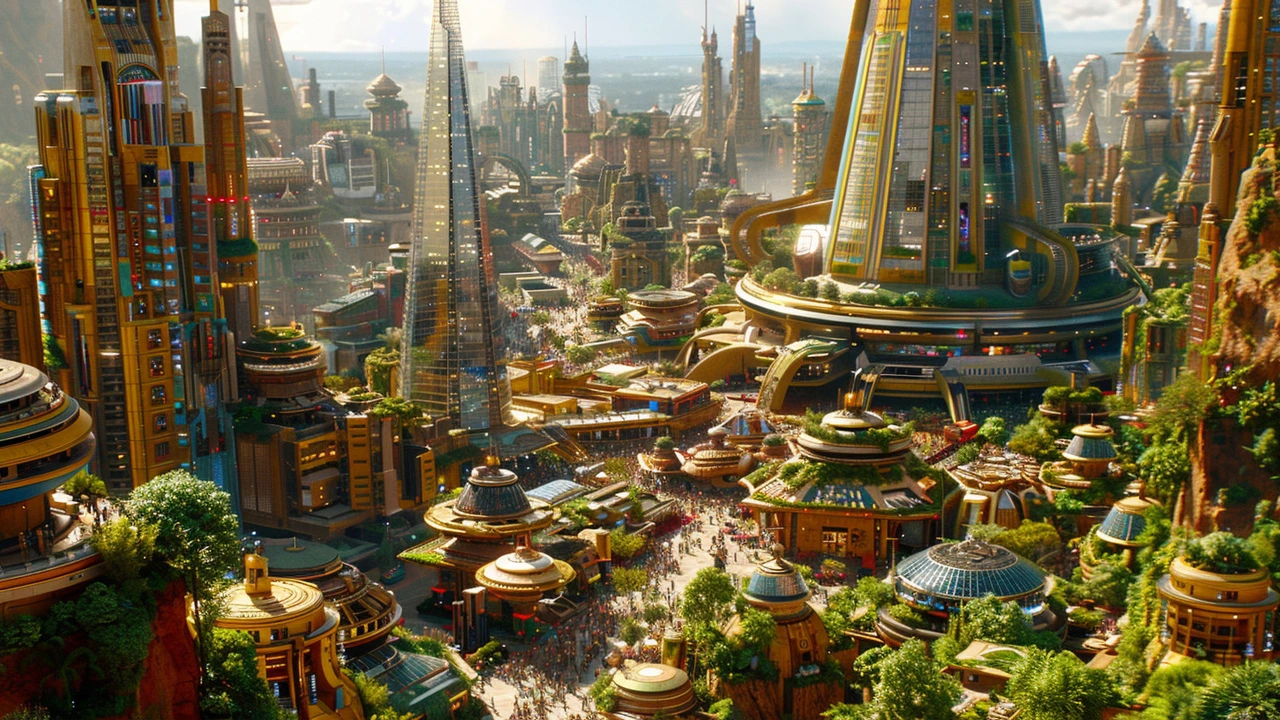
High-tech architecture explores cutting-edge innovations in modern building designs that integrate advanced technologies. This article delves into the significance, specific examples, and future trends of these architectural marvels. Learn about smart materials, sustainable practices, and iconic high-tech structures redefining our urban landscapes. Discover practical insights and visionary concepts shaping the future of architecture.
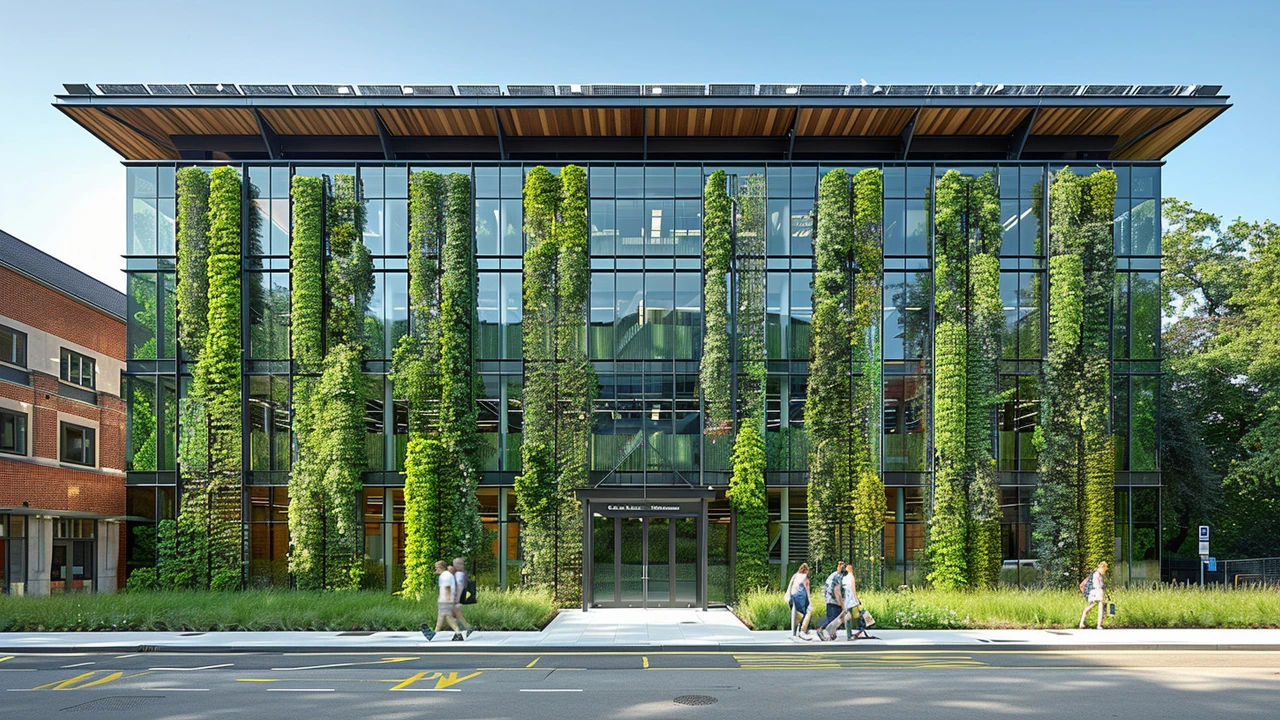
Sustainable architecture represents a vital approach to building design that honors the health of our environment. It incorporates innovative techniques to minimize environmental footprints while enhancing efficiency. This article explores how green buildings benefit both our surroundings and well-being. From utilizing energy-efficient materials to implementing natural systems for waste reduction, these structures pave the way for a greener and more sustainable future.
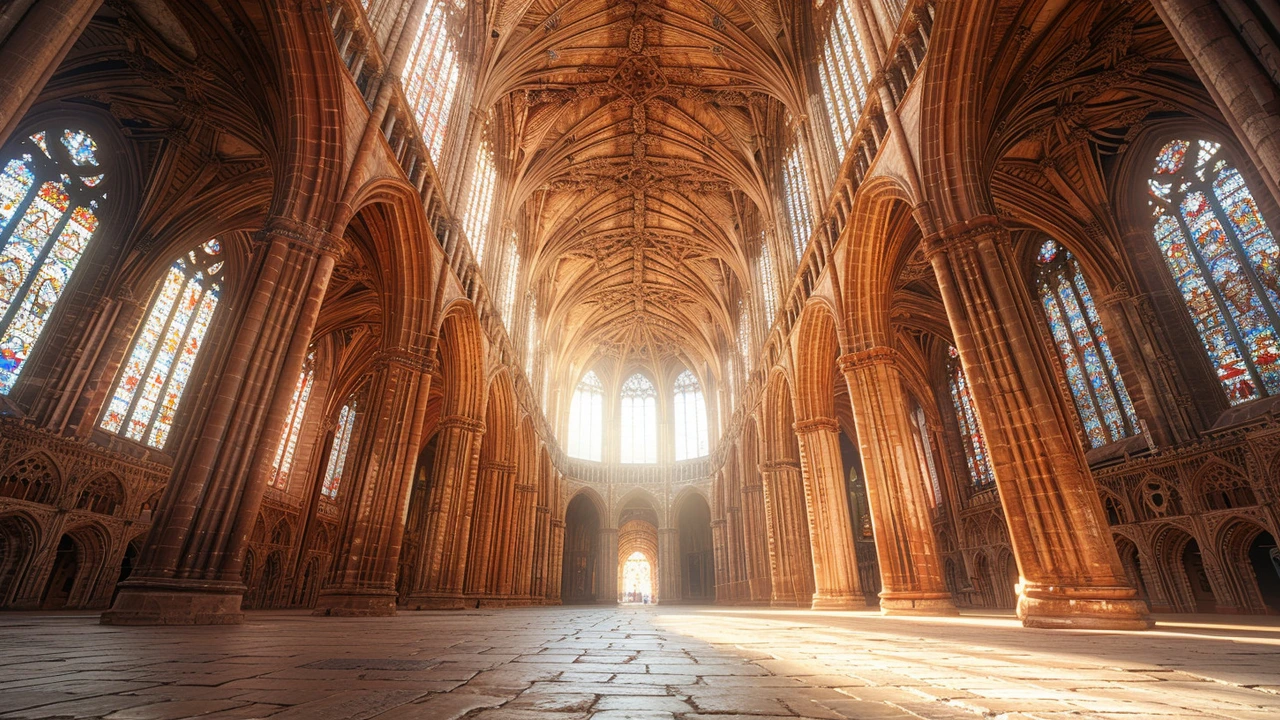
This article delves into the unique characteristics and history of Romanesque architecture, which thrived during the medieval era. It emphasizes the style's hallmark features such as semi-circular arches, robust structures, and ornamental arcading. The significance of Romanesque buildings in the evolution of European architecture is explored, revealing how these structures paved the way for the gothic style. Readers will gain insights into famous Romanesque buildings and practical tips for recognizing this architectural form.
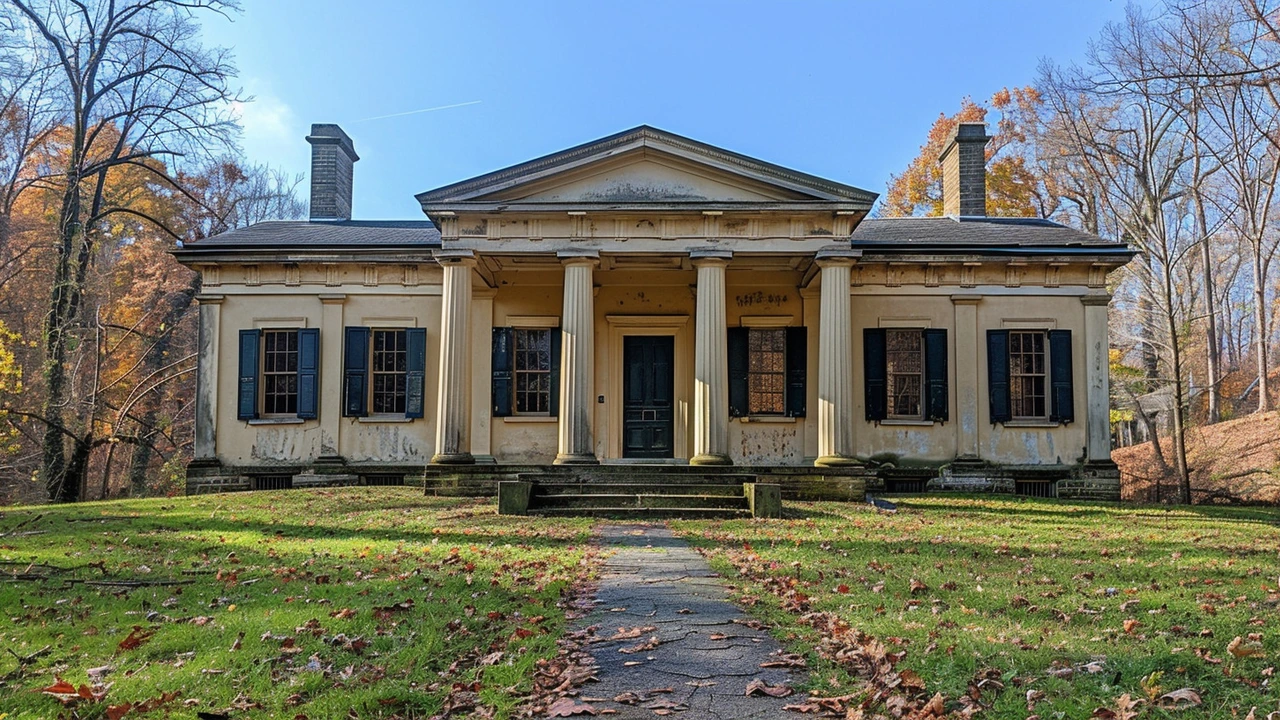
Discover the timeless beauty and distinctive characteristics of Greek Revival architecture in this detailed exploration. Learn about the historical context that led to its popularity, the signature design elements that define this style, and where to find some of the most impressive examples today. This article will guide you through the understanding of Greek Revival architecture and how it continues to influence modern structures.

Discover how embracing minimalism can dramatically enhance your creativity. This article explores the relationship between less clutter and more creative output, providing evidence and real-life examples of individuals and environments that have benefited from a minimalist approach. Learn practical tips on decluttering both physical and mental spaces to foster a creative mindset. Understand why simplicity is not just a trend, but a sustainable way to unlock your full creative potential.