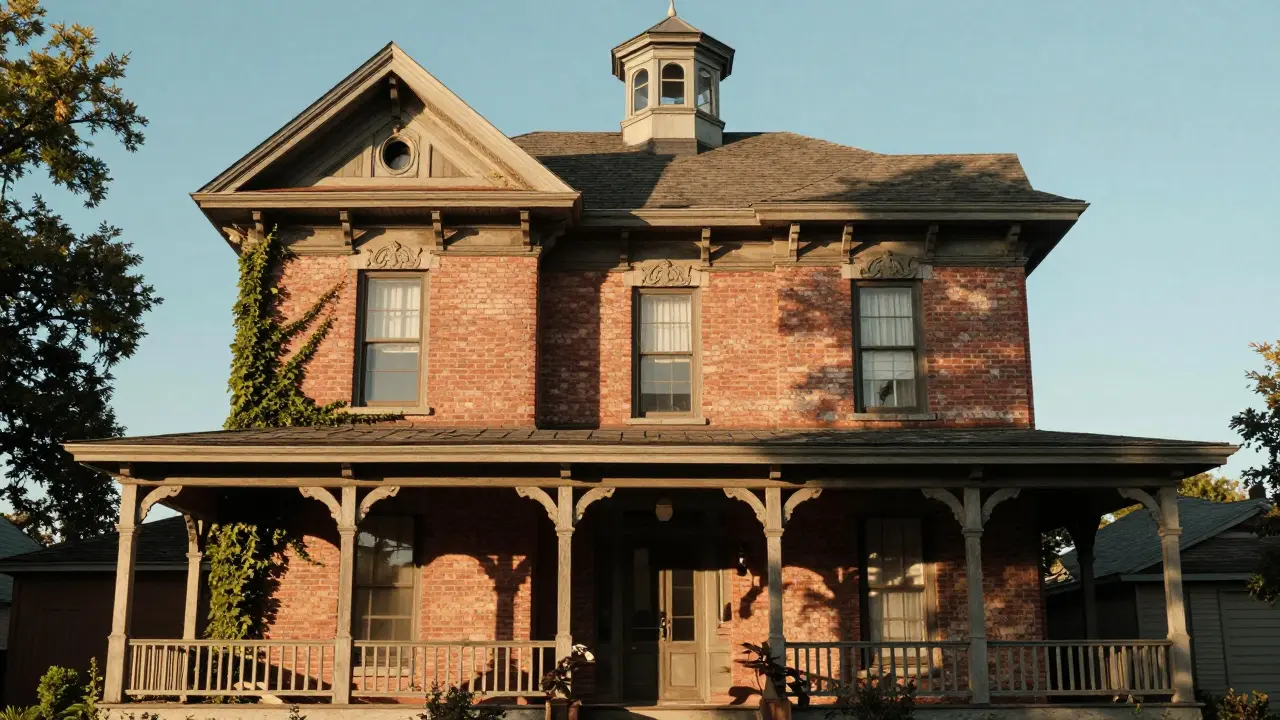
Walk through any historic neighborhood in the U.S. Midwest or Northeast, and you might stumble upon a house that looks like it was plucked straight from the Tuscan countryside. Tall, narrow windows, wide overhanging eaves, a cupola rising from the roof-these aren’t random decorative choices. They’re the unmistakable hallmarks of Italianate architecture, a style that swept across America in the mid-1800s, turning ordinary homes into poetic nods to rural Italy.
Where Did Italianate Architecture Come From?
It didn’t start in America. Italianate architecture traces its roots to the villas of 16th-century Italy, especially those built by wealthy merchants and nobles in Tuscany and Lombardy. These weren’t grand palaces-they were comfortable country homes with terracotta roofs, loggias, and symmetrical facades. British architects in the early 1800s began studying these designs, fascinated by their informal elegance compared to the rigid symmetry of Georgian and Neoclassical styles.
By the 1840s, the style crossed the Atlantic. American architects like Alexander Jackson Davis and Calvert Vaux started publishing pattern books that showed how to adapt Italian villas for American soil. Suddenly, middle-class families could build homes that looked like they belonged to Italian nobility. The Industrial Revolution made this possible: mass-produced cast iron, decorative woodwork, and machine-cut stone trim allowed homeowners to replicate intricate details without hiring master craftsmen.
What Makes a House Italianate?
If you’re trying to spot Italianate architecture, look for these six key features:
- Tall, narrow windows-often with elaborate crowns or pediments, sometimes grouped in pairs or threes.
- Low-pitched or flat roofs with wide, overhanging eaves supported by decorative brackets.
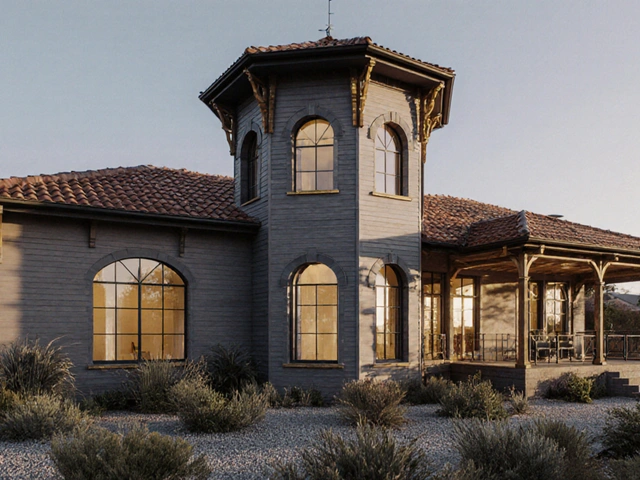
- Cupolas or towers-not always present, but when they are, they’re a dead giveaway. These were often used as lookout points or to catch breezes.
- Arched or rounded window openings, especially on the ground floor.
- Ornate cornices-the edge of the roofline is rarely plain. Look for carved wood, molded plaster, or cast iron details.
- Asymmetrical facades-unlike the rigid balance of earlier styles, Italianate homes often have a tower on one side, a porch on the other, and a front door tucked off-center.
Materials varied by region. In the Northeast, brick was common. In the Midwest, wood frame construction with clapboard siding dominated. The decorative elements? Almost always wood or cast iron. These weren’t just embellishments-they were statements of taste and prosperity.
Why Did It Become So Popular?
It wasn’t just about looks. In the 1850s and 60s, Americans were searching for a new identity. They’d broken from Britain politically, but culturally, they still looked to Europe for refinement. Italianate architecture offered a middle ground: elegant enough to feel cultured, but flexible enough to fit American life.
Unlike the formal ballrooms of Greek Revival homes, Italianate houses had wraparound porches, verandas, and balconies. Families could sit outside, breathe fresh air, and enjoy views-something that appealed to a nation still deeply connected to nature. Railroads made it easier to transport materials, and pattern books sold for just a few dollars. Suddenly, a farmer in Ohio could build a home that looked like it belonged to a Venetian noble.
It also fit the romantic ideals of the time. The Hudson River School painters were celebrating American landscapes. Writers like Longfellow were writing about Italy. Italianate homes weren’t just buildings-they were part of a cultural movement that tied domestic life to art, poetry, and nature.
Where Can You Still See Italianate Homes Today?
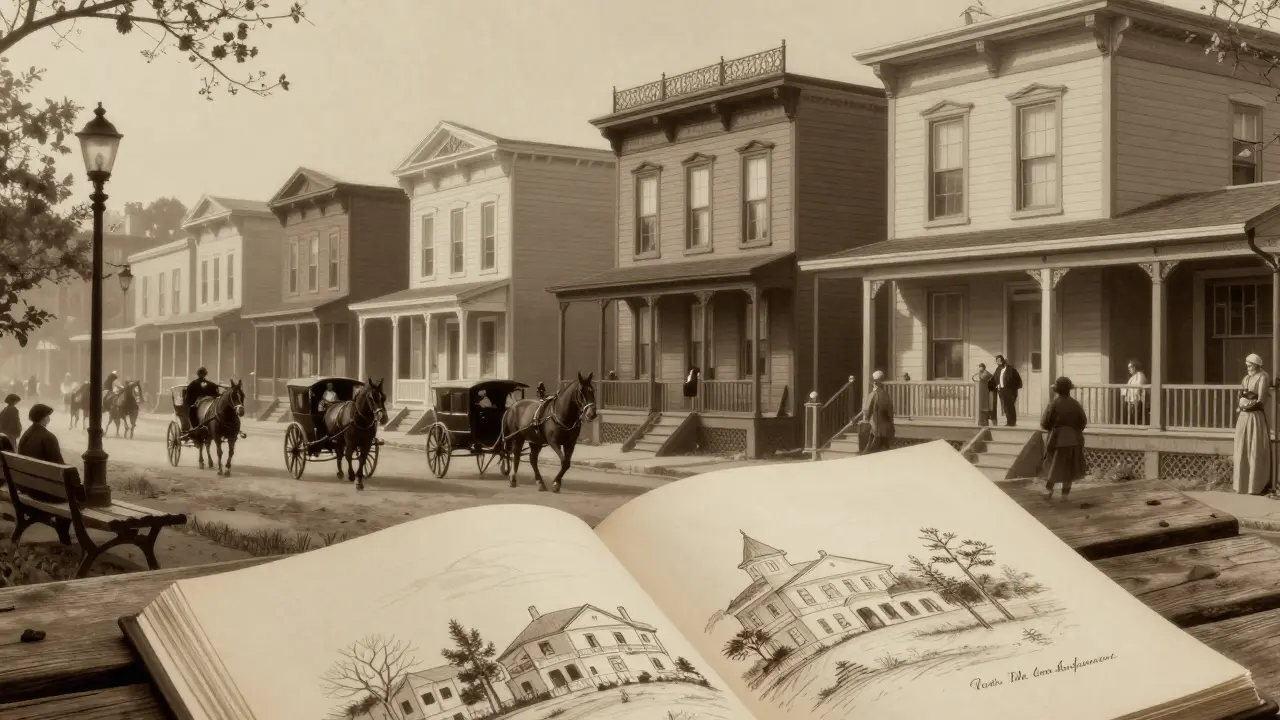
Many of the original Italianate homes still stand, especially in cities that boomed during the mid-19th century. Cincinnati, Ohio, has one of the largest collections of Italianate row houses in the country. The Over-the-Rhine neighborhood alone has over 1,200 preserved examples.
In San Francisco, the Painted Ladies-those colorful Victorian homes-are often mistaken for purely Victorian-style houses. But many of them are actually Italianate in origin, with their bracketed eaves and tower-like bays. The same goes for parts of Boston, Philadelphia, and Milwaukee.
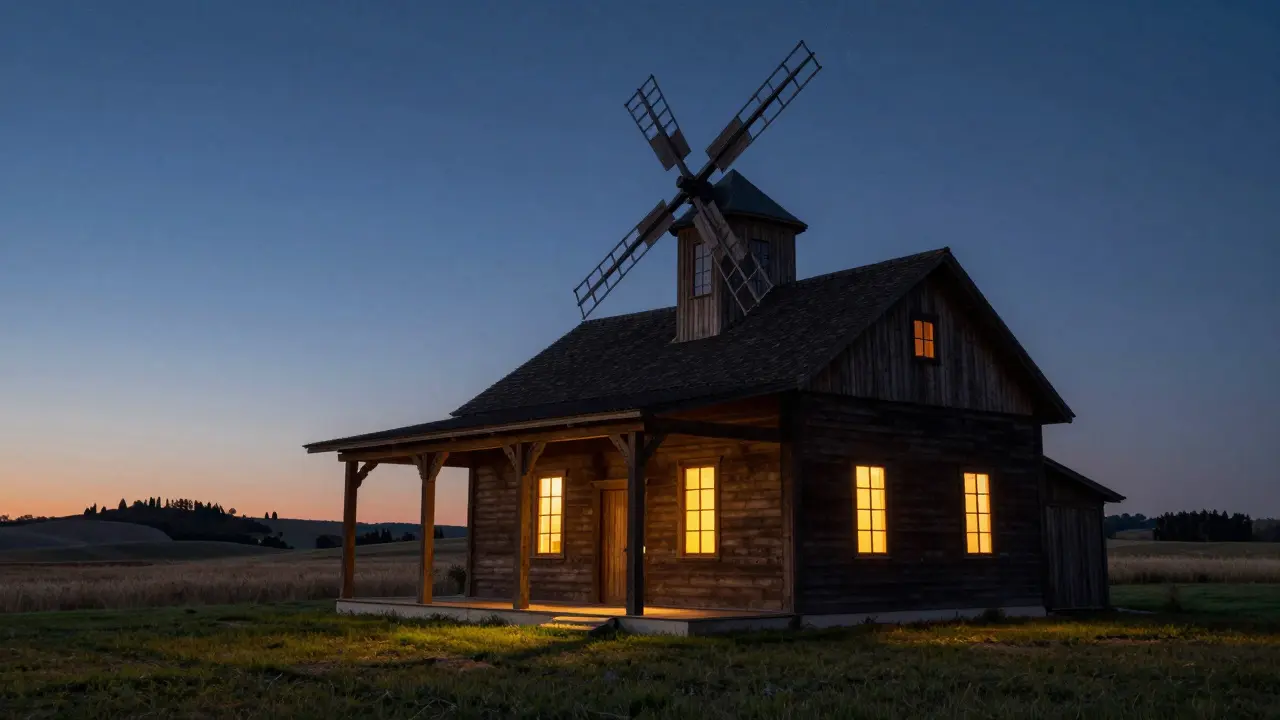
Even small towns have survivors. In the Hudson Valley of New York, you’ll find former carriage houses turned into homes, still showing off their original bracketed cornices. In rural Iowa, you might spot a one-story Italianate farmhouse with a cupola that once held a windmill or bell.
Not all survived. Many were torn down in the 1950s and 60s, labeled outdated or too expensive to maintain. But preservation efforts have revived interest. Historic districts now protect entire blocks. The National Register of Historic Places lists over 3,000 Italianate properties.
How Is It Different From Other Styles?
People often confuse Italianate with Victorian, Greek Revival, or even Gothic Revival. Here’s how to tell them apart:
| Feature | Italianate | Greek Revival | Victorian (High Style) |
|---|---|---|---|
| Roof Shape | Low-pitched, flat, with wide overhanging eaves | Pitched, often gabled | Steeply pitched, complex shapes |
| Windows | Tall, narrow, often arched | Rectangular, evenly spaced | Varied shapes-stained glass, bay windows |
| Decorative Elements | Brackets under eaves, ornate cornices | Pilasters, pediments, columns | Ornate woodwork, turrets, gingerbread trim |
| Symmetry | Asymmetrical | Highly symmetrical | Usually asymmetrical |
| Common Materials | Brick, wood, cast iron | Stone, brick | Wood, sometimes stone |
Greek Revival homes look like ancient temples-columns, triangular pediments, formal fronts. Italianate homes feel like they’re leaning out from a Tuscan hillside, relaxed and alive. Victorian homes? They’re the wild cousins-packed with color, curves, and clutter. Italianate is quieter, more restrained, but no less striking.
Why Does It Still Matter?
Today, Italianate architecture isn’t just a relic. It’s a lesson in how design can reflect a moment in time. It shows how a culture can borrow from another without losing its own voice. It proves that beauty doesn’t have to be expensive-just thoughtful.
Modern architects still draw from its principles. The use of brackets, the emphasis on outdoor living spaces, the way light plays through tall windows-these ideas live on in today’s farmhouse styles and coastal cottages. Even the trend of adding rooftop terraces to urban homes echoes the Italianate cupola.
More than that, these homes remind us that architecture isn’t just about function. It’s about dreams. A farmer in 1860 didn’t build an Italianate house because he needed more storage. He built it because he wanted to feel like he belonged to something bigger-to a world of art, poetry, and beauty.
What’s Left to Explore?
If you want to see Italianate architecture in its purest form, visit the Italianate Historic District in Cincinnati. Or take a drive through the Hudson River Valley and stop at any of the preserved 1850s homes. Many are now B&Bs-you can spend the night in a place that’s been untouched for 170 years.
And if you’re restoring an old home? Don’t cover up those brackets. Don’t replace the original windows. Those details aren’t just decoration-they’re the fingerprints of a time when ordinary people reached for something extraordinary.
Is Italianate architecture the same as Victorian?
No. Italianate is one style within the broader Victorian era, which lasted from 1837 to 1901. Victorian is an umbrella term that includes Gothic Revival, Queen Anne, and Italianate. Italianate homes are more restrained-they focus on symmetry, brackets, and tall windows. Queen Anne Victorian homes, by contrast, are wildly ornate, with turrets, wraparound porches, and bright colors.
Why do Italianate homes have towers?
The towers, or cupolas, were inspired by Italian villas where they served as lookout points or ventilation shafts. In America, they became decorative status symbols. They gave homeowners a place to enjoy views, catch breezes, and show off their wealth. Not every Italianate home has one, but when it does, it’s a defining feature.
Can you build a new Italianate-style house today?
Yes. Many custom home builders today use Italianate design principles, especially in regions with historic zoning rules. Modern versions use energy-efficient windows and insulation but keep the bracketed eaves, tall windows, and low-pitched roofs. Some even add cupolas as aesthetic focal points. It’s a style that translates well to contemporary living.
Are Italianate homes expensive to maintain?
They can be. The ornate wood brackets and cornices require regular painting and inspection for rot. Original windows may need restoration, and roofs with wide overhangs can develop moisture issues if gutters aren’t maintained. But with proper care, these homes last for generations. Many have been restored successfully using historic preservation guidelines.
What’s the difference between Italianate and Tuscan architecture?
Tuscan architecture is a modern style inspired by ancient Roman and Renaissance villas in Tuscany. It uses stucco walls, red tile roofs, and wrought iron. Italianate architecture is a 19th-century American adaptation of Italian villas-more about wood trim, tall windows, and ornate brackets than stucco and tile. Tuscan is earthy and rustic; Italianate is elegant and detailed.