

Expressionist architecture ditches the straight lines and boring symmetry for wild shapes and emotional impact. This article peels back the curtain on what makes these buildings stand out, how they came about, and why they still turn heads today. You'll get real-life examples, quirky facts, and even some tips if you want to bring that bold style into your own space. Whether you're a design nerd or just curious why some buildings look like they're from outer space, here's your guide to all things expressionist. Jump in and see why this movement still makes a splash.
Author: Oliver Hamilton - Page 2
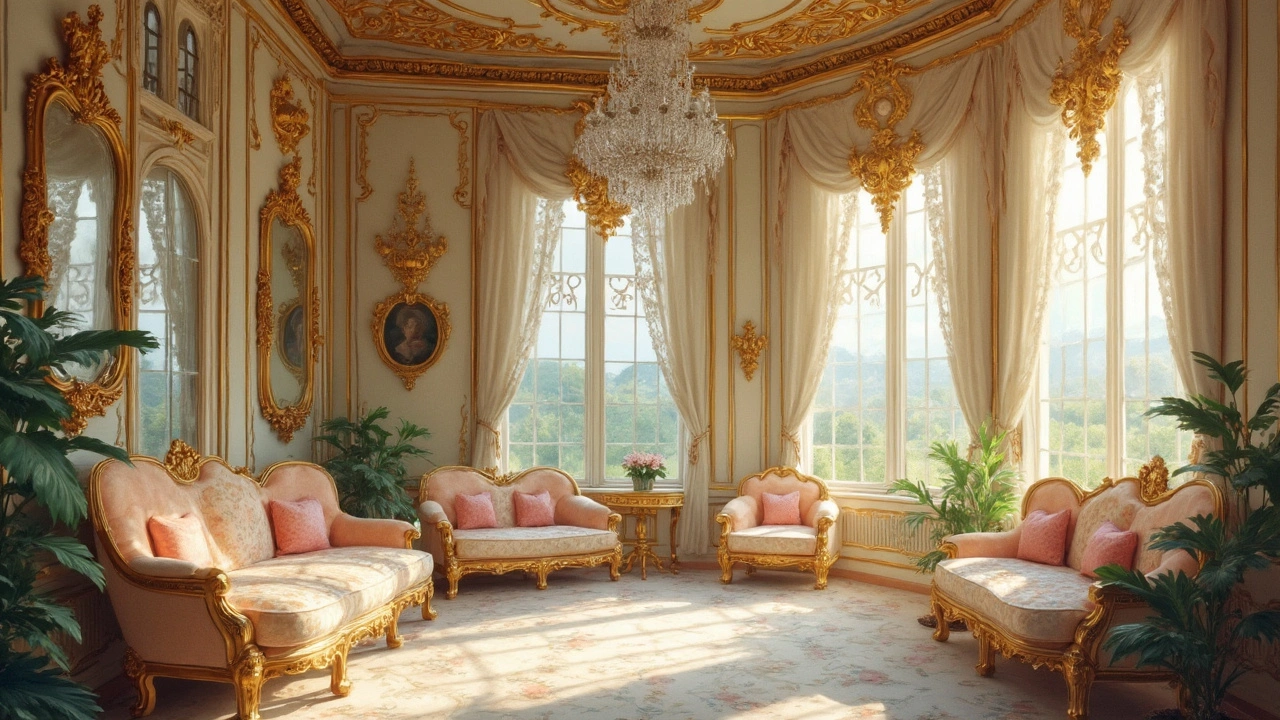
Rococo design, an 18th-century style known for its ornate detail, playful themes, and delicate artistry, continues to capture imaginations with its elegance and whimsy. Originating in France, Rococo moved away from the grandeur of Baroque, focusing instead on lightness, curves, and harmony. This style is celebrated in furniture, architecture, and decorative arts for its creative flair and attention to detail. Understanding the essence of Rococo can inspire anyone interested in interior design or art history, offering insight into blending beauty and function.

International Style, a defining architectural movement, emerged in the 1920s as a response to the ornate designs of previous eras, emphasizing function, simplicity, and open spaces. Known for its clean lines and minimalistic approach, it revolutionized modern architecture and influenced how buildings are designed globally. An exploration into the history of this movement unveils the key figures, including Le Corbusier and Ludwig Mies van der Rohe, who shaped its aesthetic. This article delves into its core principles, influential works, and provides practical tips for incorporating its design elements into contemporary spaces.
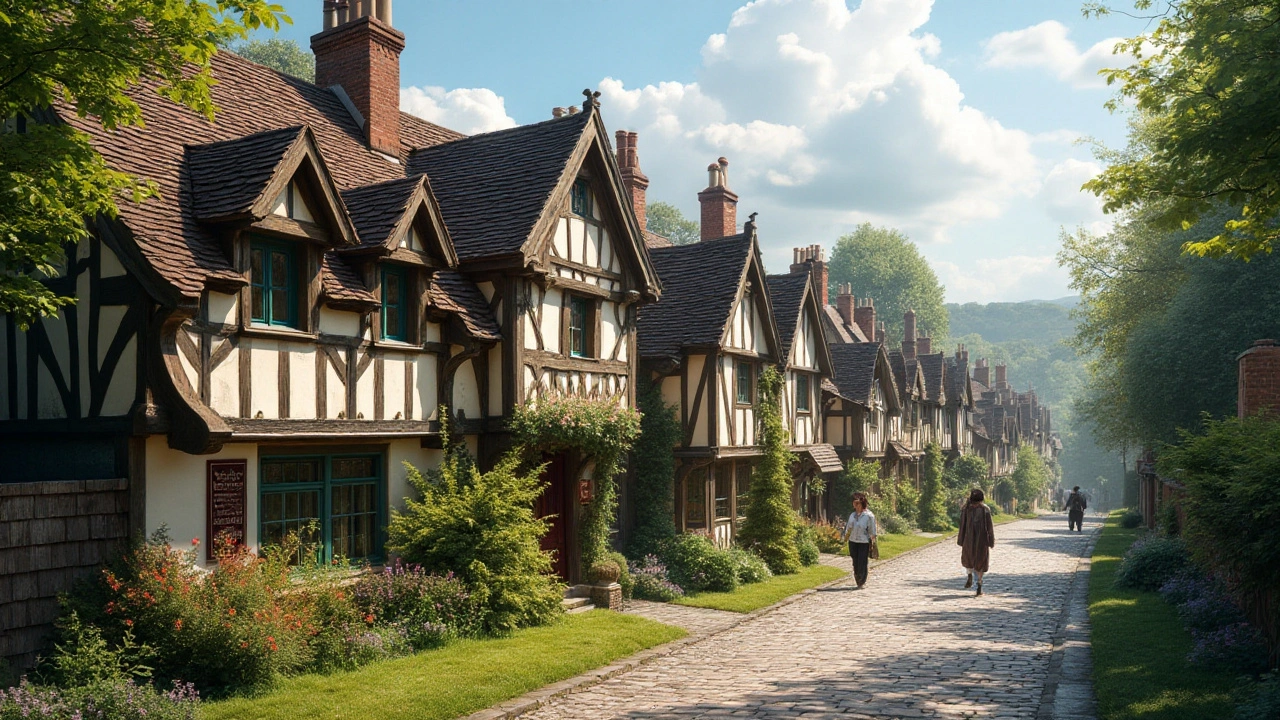
This article explores the distinctive elements and enduring appeal of Tudor architecture, a classic style that originated in England during the late 15th century. It delves into the key features such as timber framing, steeply pitched roofs, and ornate gables. The article also addresses how Tudor architecture has been adapted in modern homes across the globe, offering tips for incorporating its signature style into contemporary settings. Discover the rich historical context and craftsmanship that make Tudor architecture a beloved choice for homeowners and designers alike.
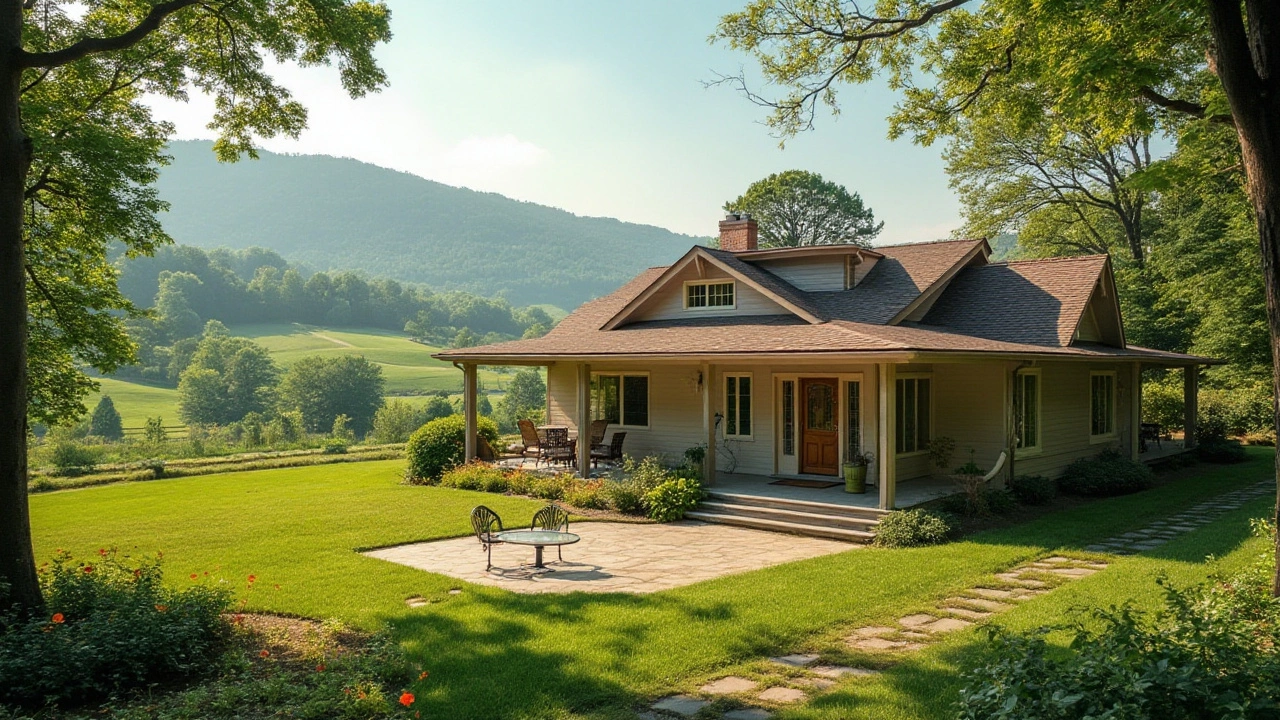
Ranch-style houses, born in the United States, became symbols of freedom and spacious living. These homes, noted for their unpretentious design and horizontal layout, emerged prominently in the mid-20th century and continue to inspire modern architecture. As lifestyles shifted, the simplicity and practicality of ranch-style homes captivated many homeowners seeking an indoor-outdoor connection. This exploration into ranch-style homes reveals their history, core features, evolving design, and the reasons behind their enduring popularity.
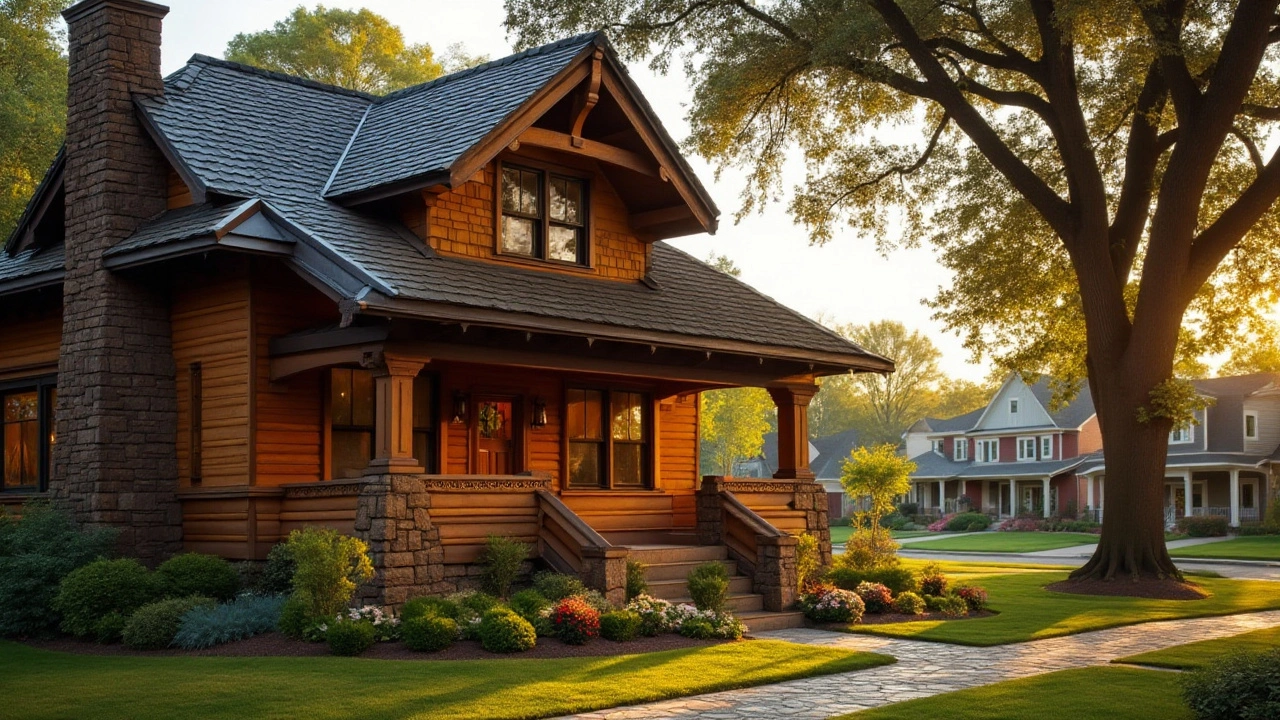
American Craftsman homes offer an alluring blend of classic design and practical functionality. Known for their quality craftsmanship and attention to detail, these houses evoke a charming and inviting atmosphere. Born from the Arts and Crafts movement, they emphasize handcrafted elements over industrial production. With features like built-in furniture, large fireplaces, and exposed beams, Craftsman homes cater to those who appreciate artistry and authenticity in architecture.
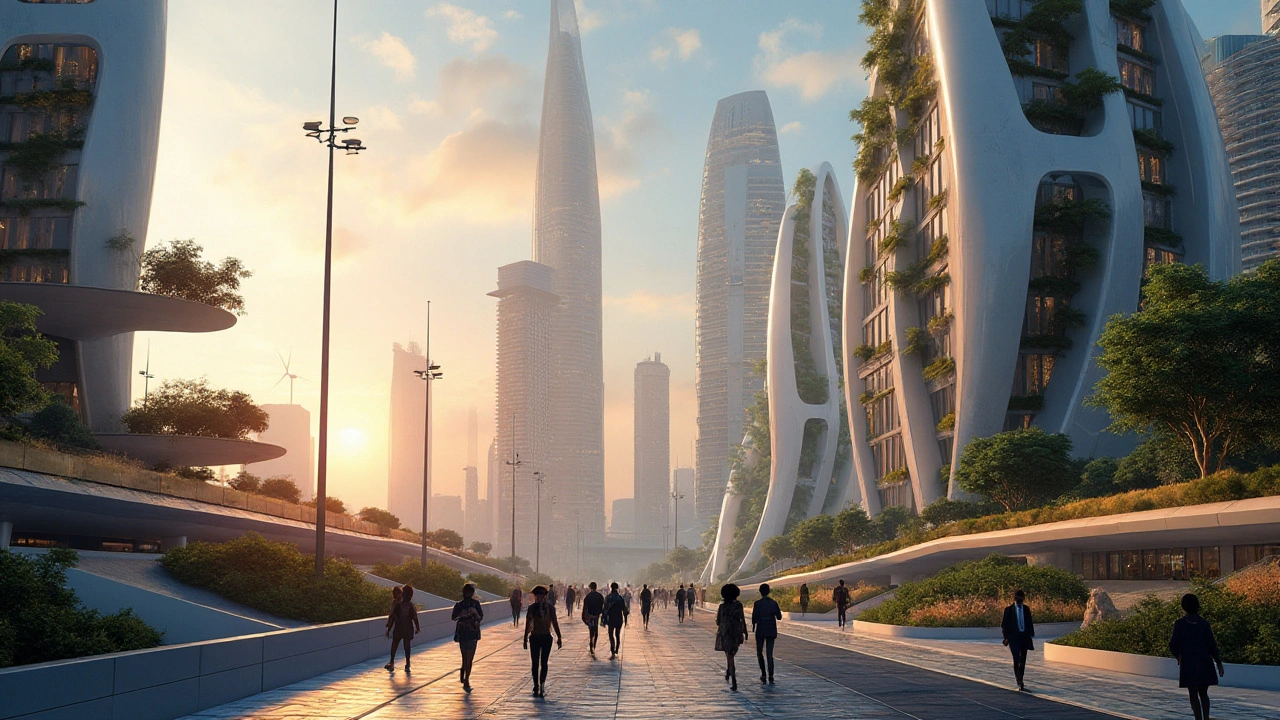
Neo-Futurism is shaping the landscape of contemporary art by blending futuristic aesthetics with visionary design. This art movement challenges traditional forms, embracing bold architecture and technology to reflect a harmonious future. It's a journey that compels artists and architects to imagine an innovative world while addressing environmental and social concerns. Delve into how Neo-Futurism is influencing today's artistic creations and the dynamic interplay between structure and imagination.
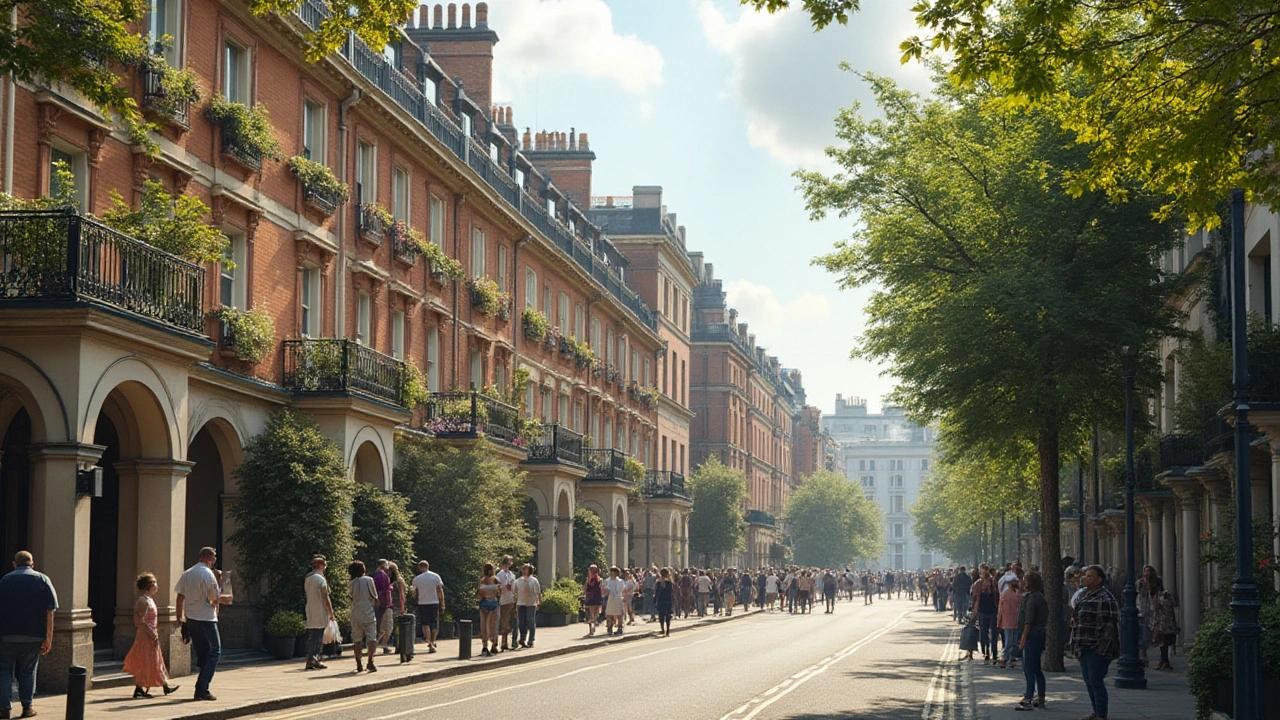
Colonial architecture, with its distinct blend of European influences and local adaptations, remains significant today as it enhances contemporary design and urban planning. Its emphasis on symmetry, simplicity, and functionality lends itself to modern aesthetics, while also offering sustainable solutions and cultural depth. As cities grow, understanding and integrating colonial architectural principles can address environmental and social challenges. By preserving these structures, we maintain historical continuity and celebrate diverse cultural influences.
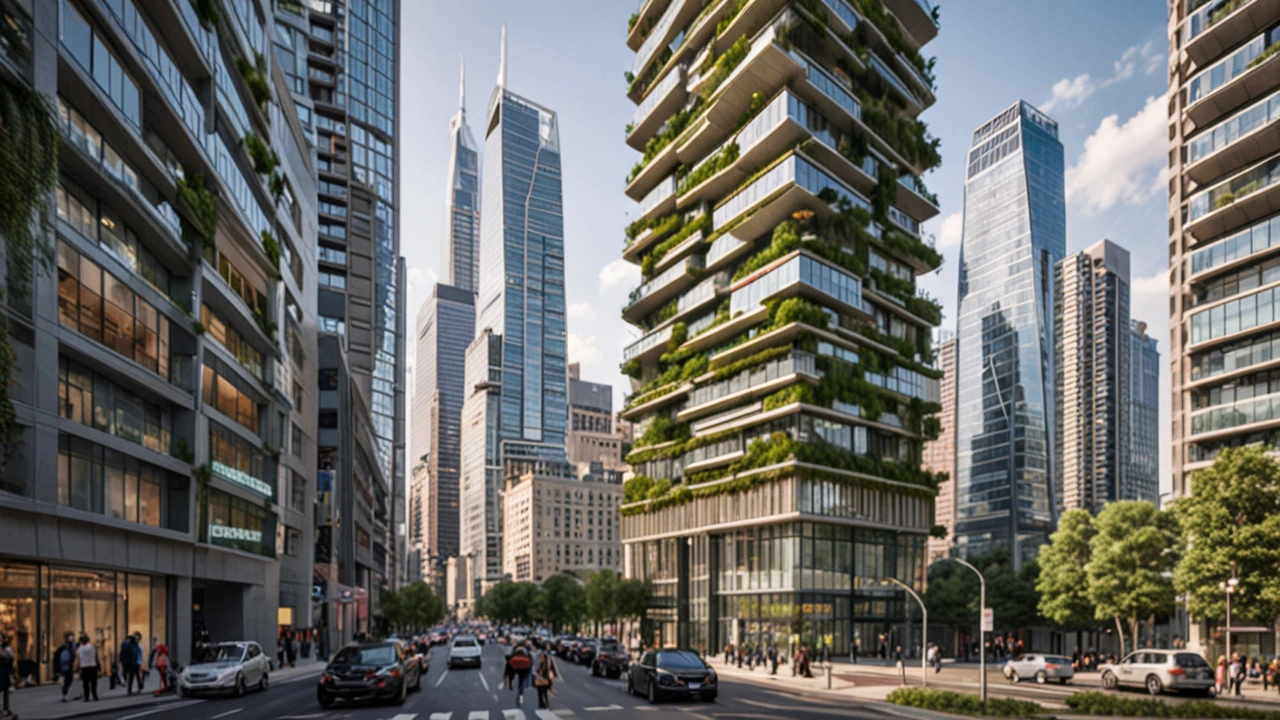
High-tech architecture is revolutionizing modern construction through the integration of advanced technology. This article explores its impact, benefits, and future prospects. Readers will learn about the latest smart building systems, sustainable practices, and adaptive design techniques. Discover how these innovations are shaping our cities and environments.
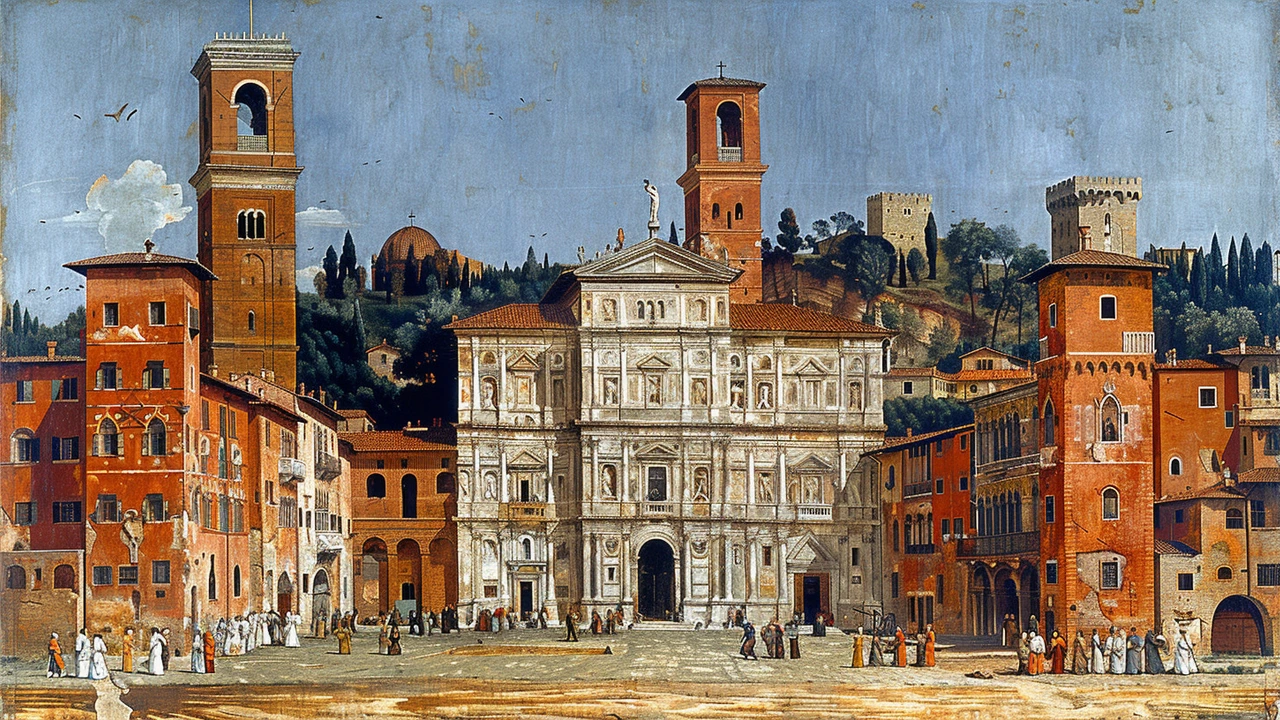
The Renaissance marks a significant period in history, characterized by great change and innovation. It was a time of extraordinary cultural revival, affecting art, science, and society. Explore the key aspects and influential figures of this era, discovering how the Renaissance shaped the modern world.